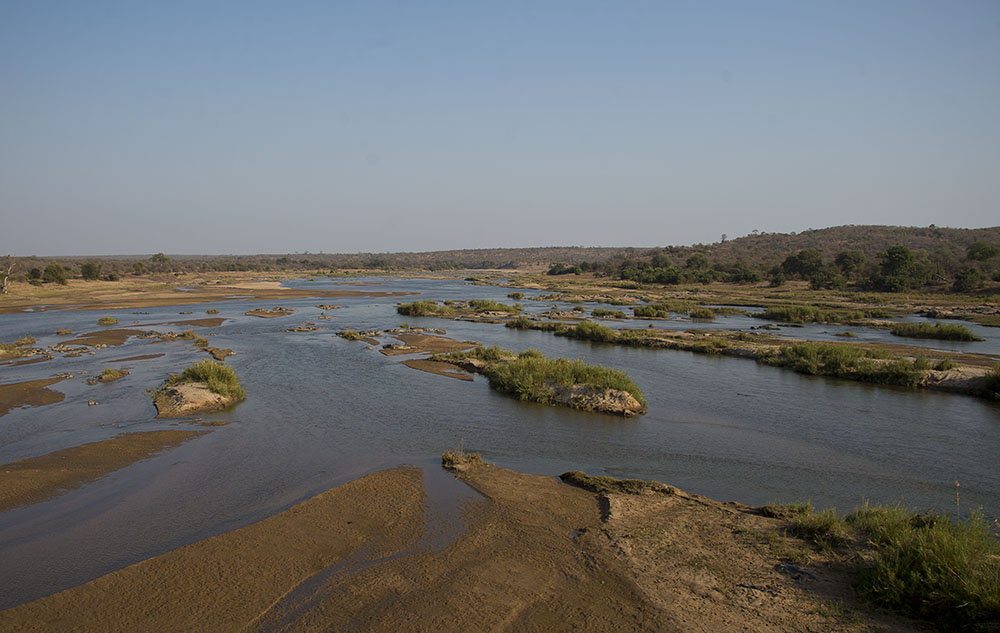
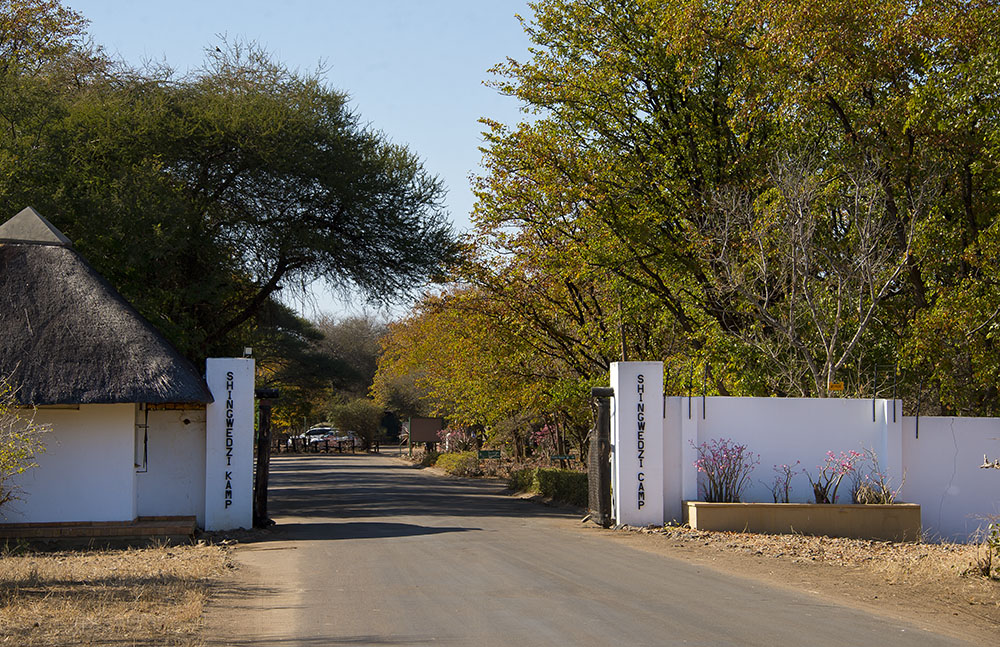
31st July 270km is a long way in Kruger so we break the trip from Lower Sabie to Shingwedzi with a night spent at Satara. The next morning we set out northward pausing on the Olifants River bridge.
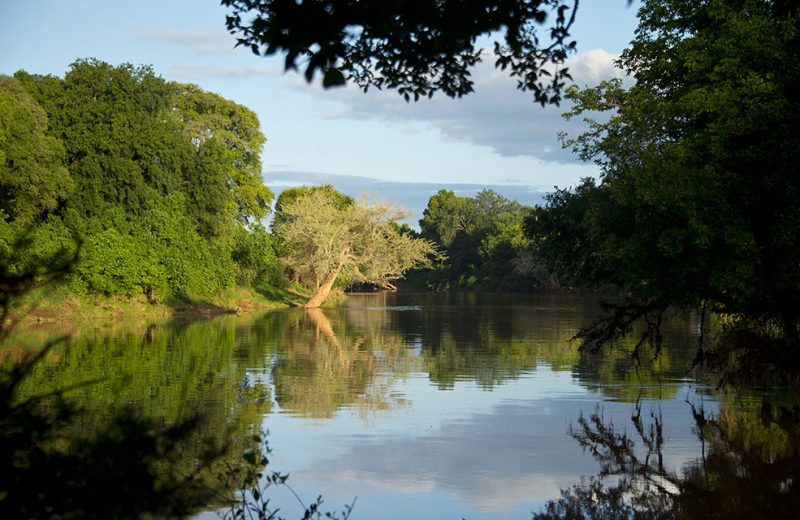
Olifants River – flowing quite strongly for this time of the year.
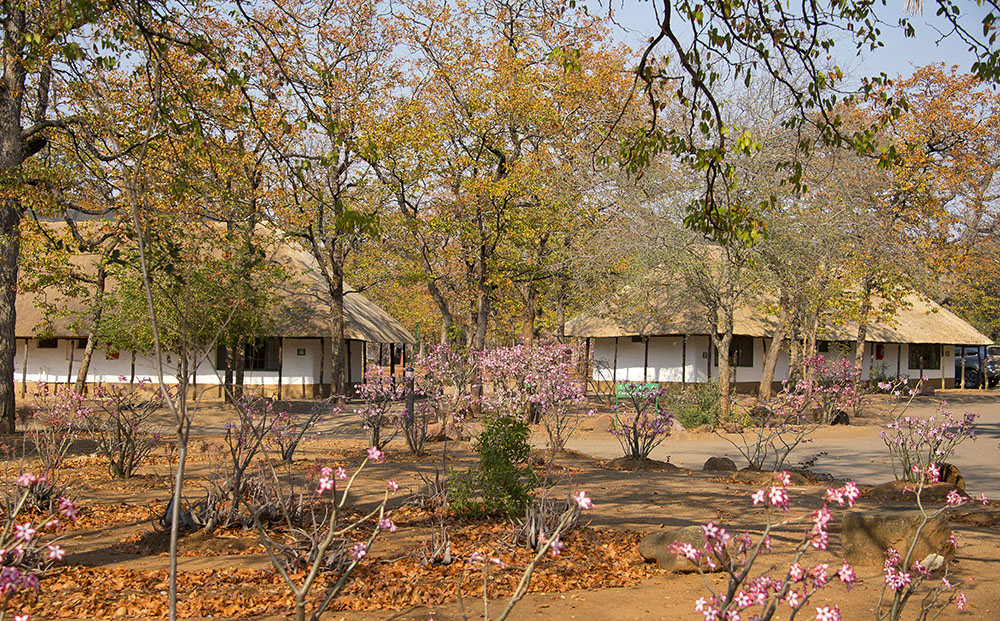
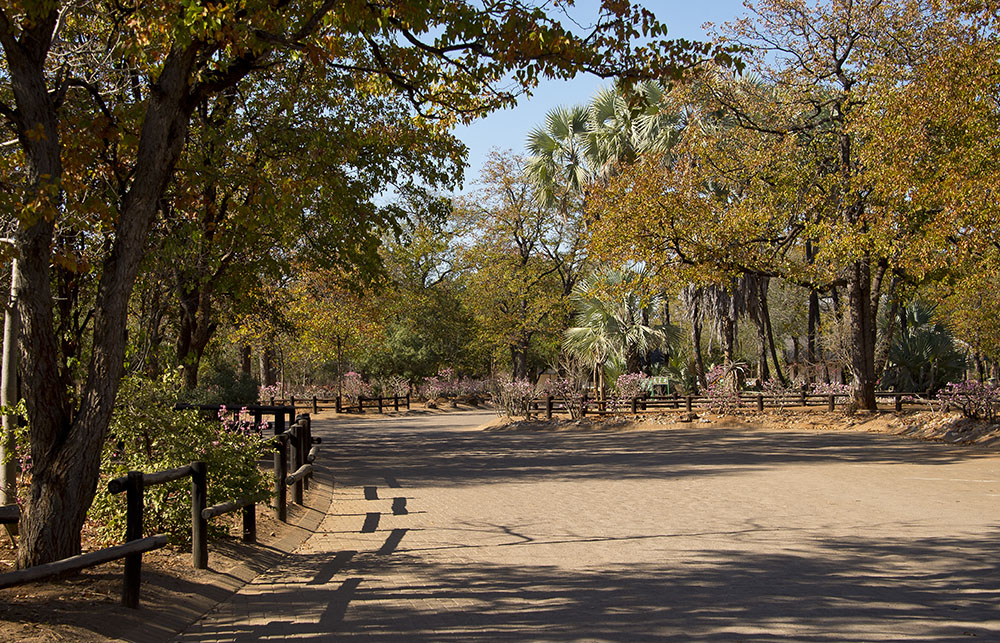
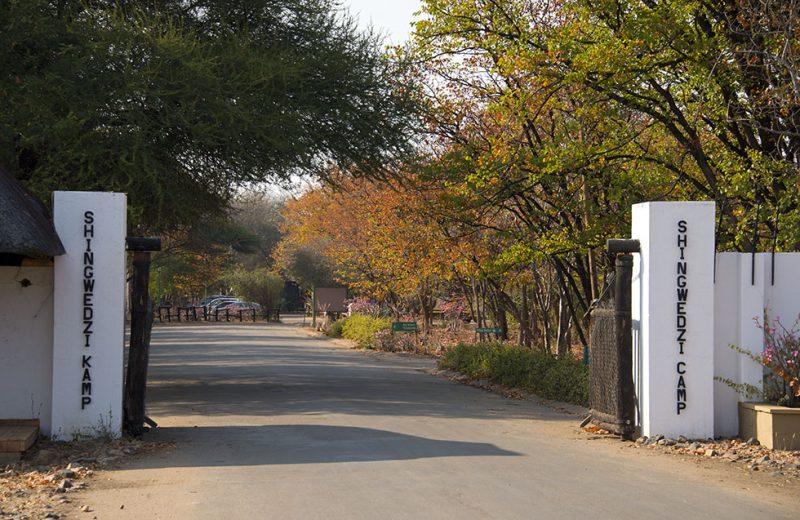
Shingwedzi Restcamp is in its beautiful winter colours – the Mopani trees providing autumnal golds, reds and yellows.
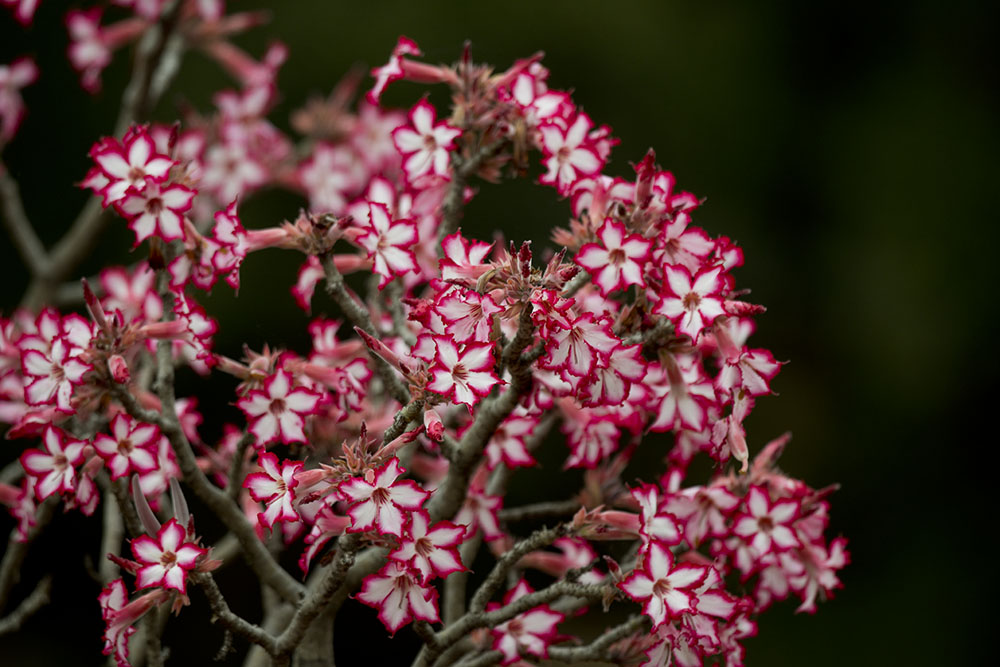
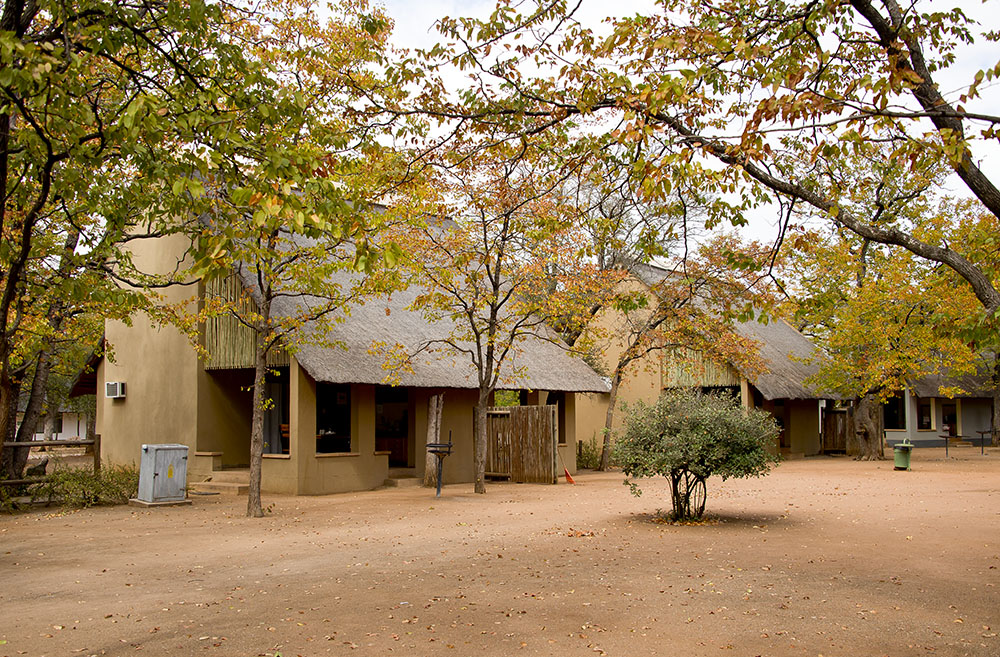
The old style huts whose basic design dates back to the 1930’s. Of course now much upgraded.Impala Lilies
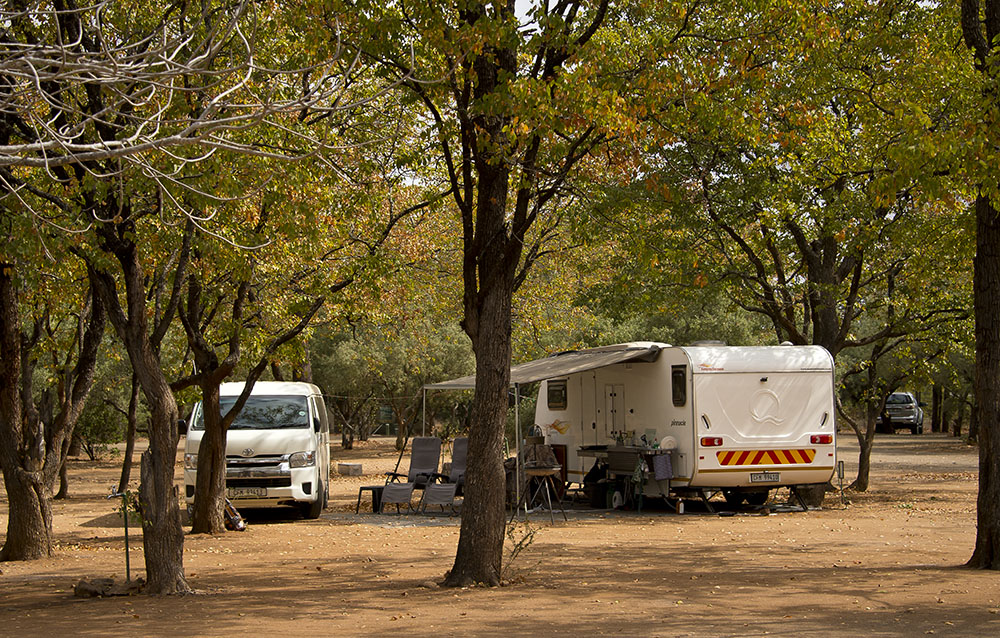
The new hutsOur caravan camp amongst the mopanis.
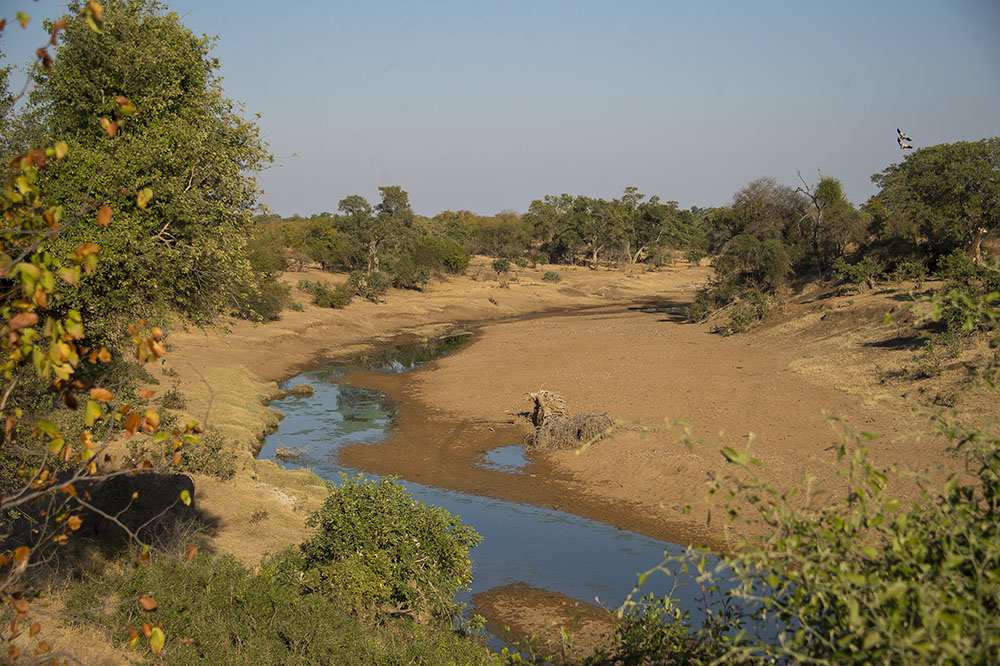
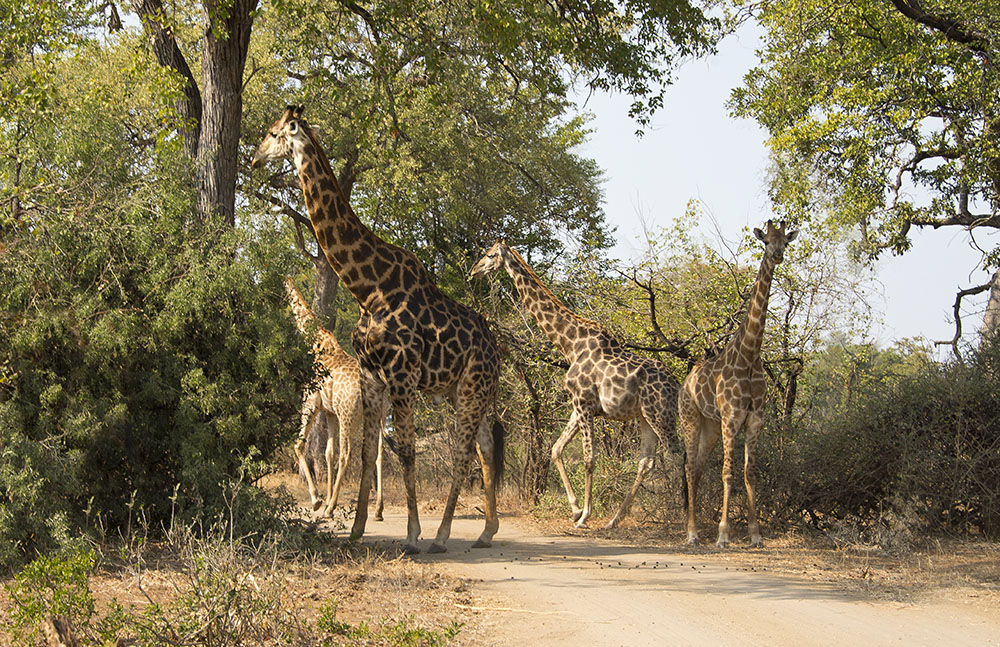
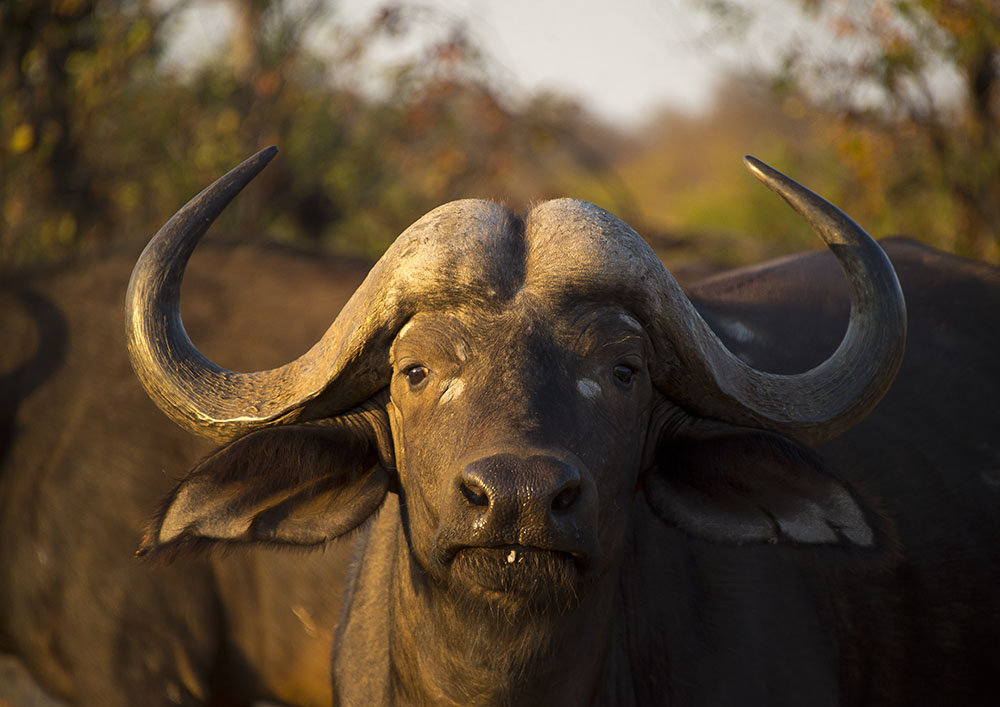
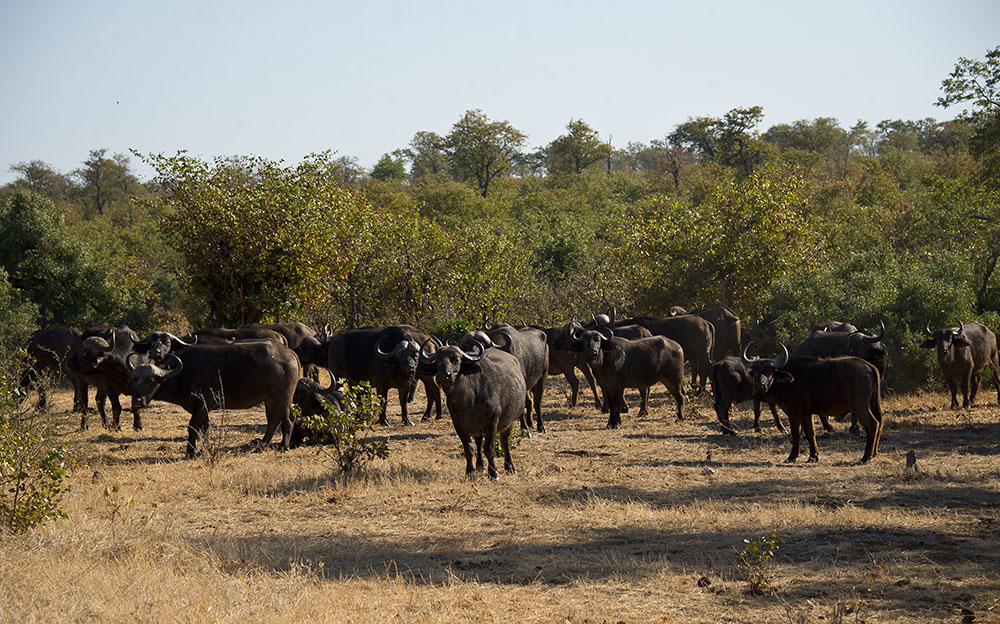
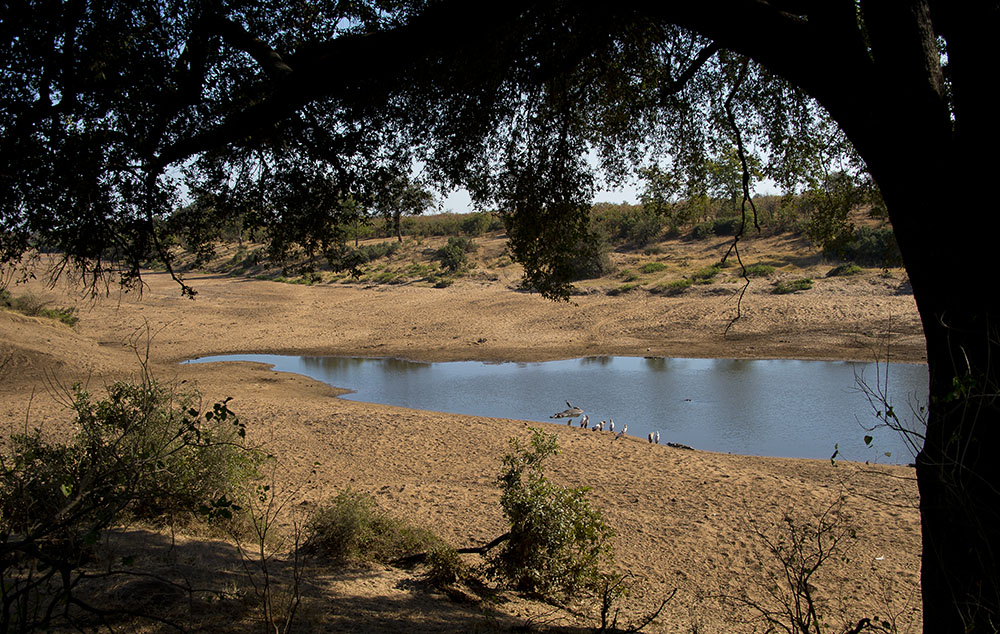
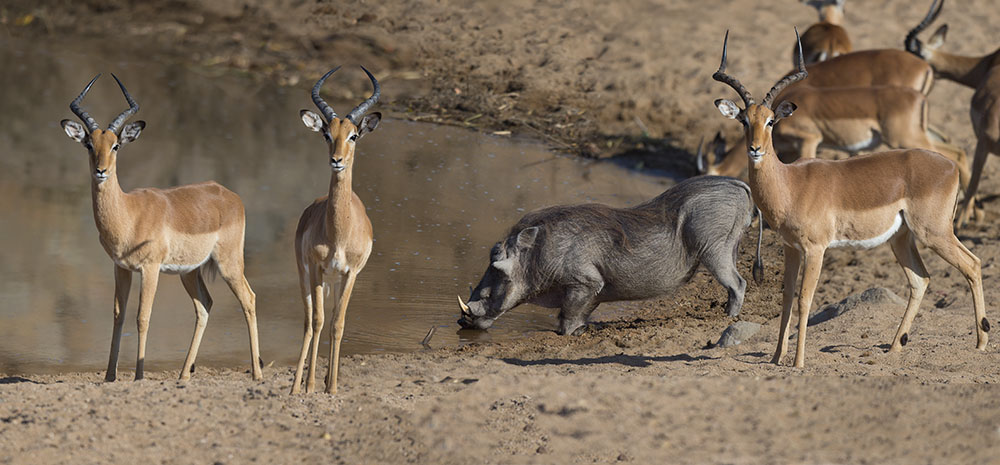
After settling in we spend the afternoon drifting along the roads close to camp. Many sizeable pools of water line the riverbeds and large numbers of game are to be seen.
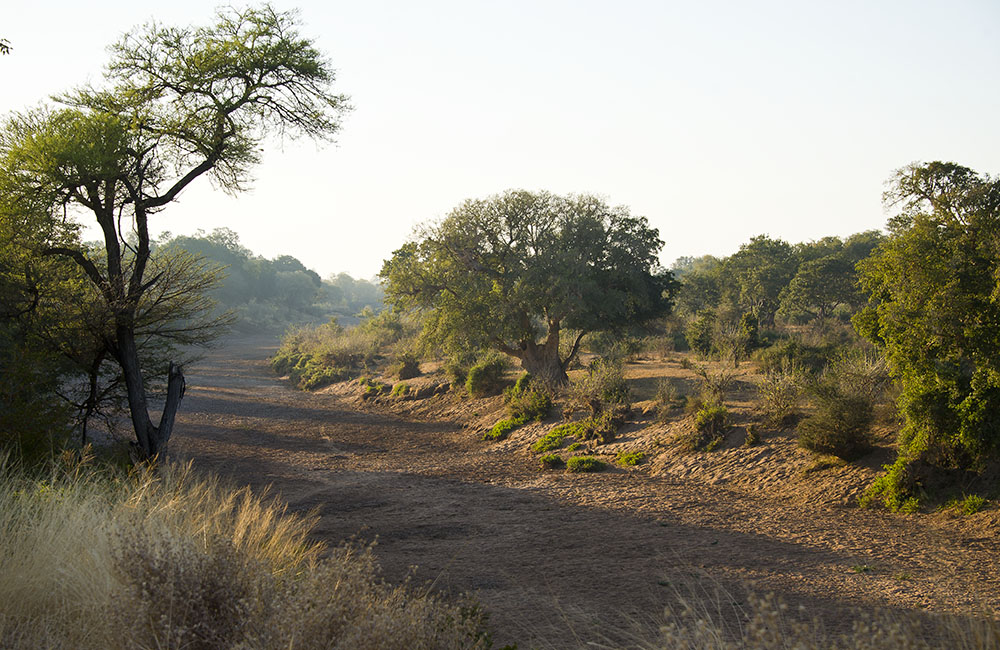
The Shingwedzi River
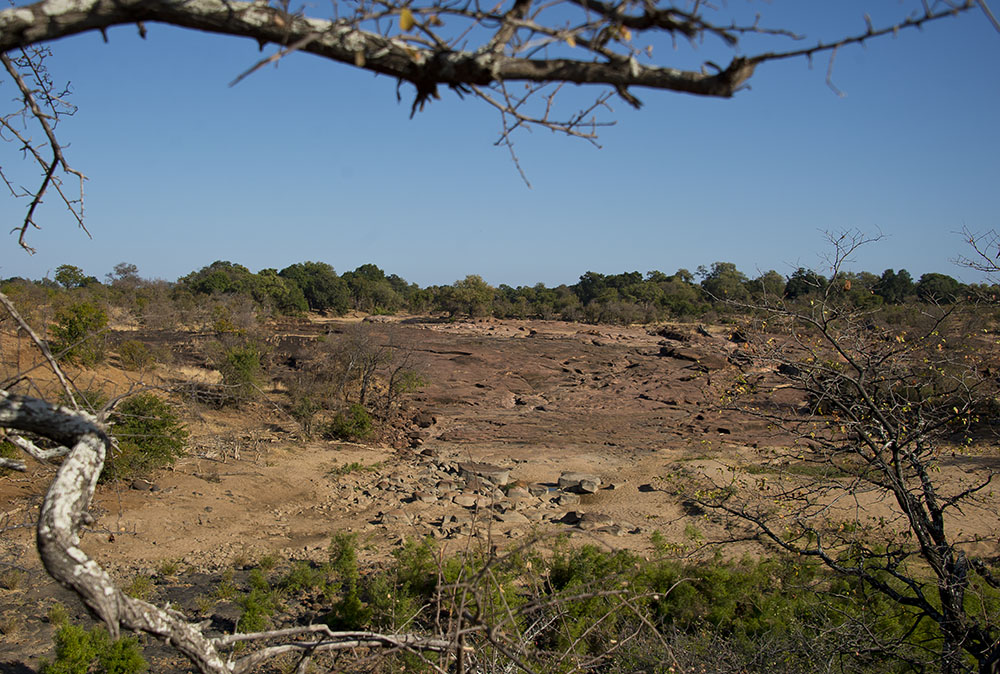
Red Rocks about 18kms west of ShingwedziRed Rocks
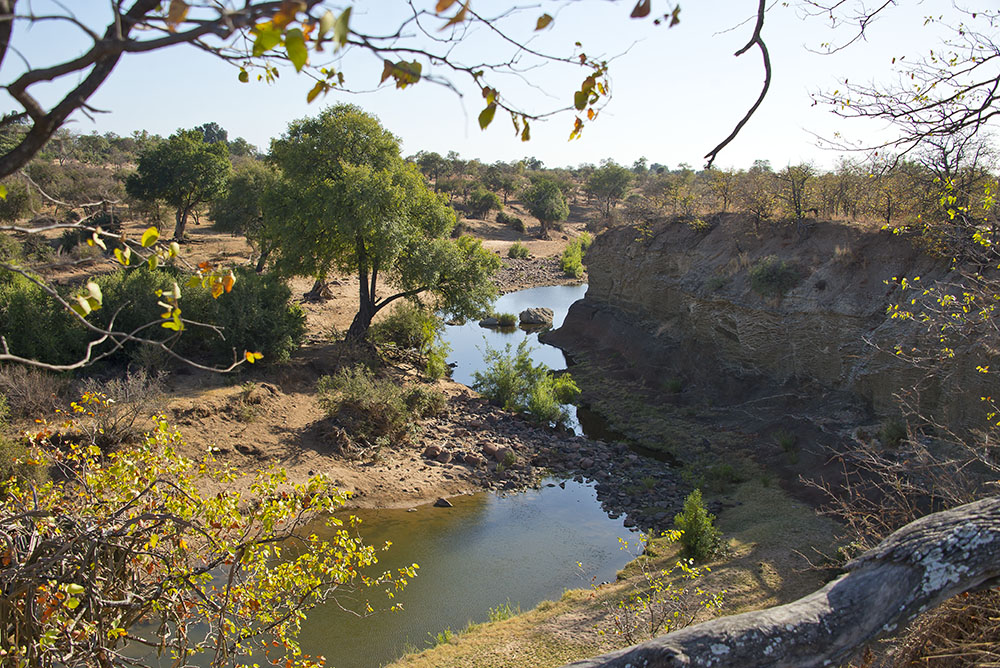
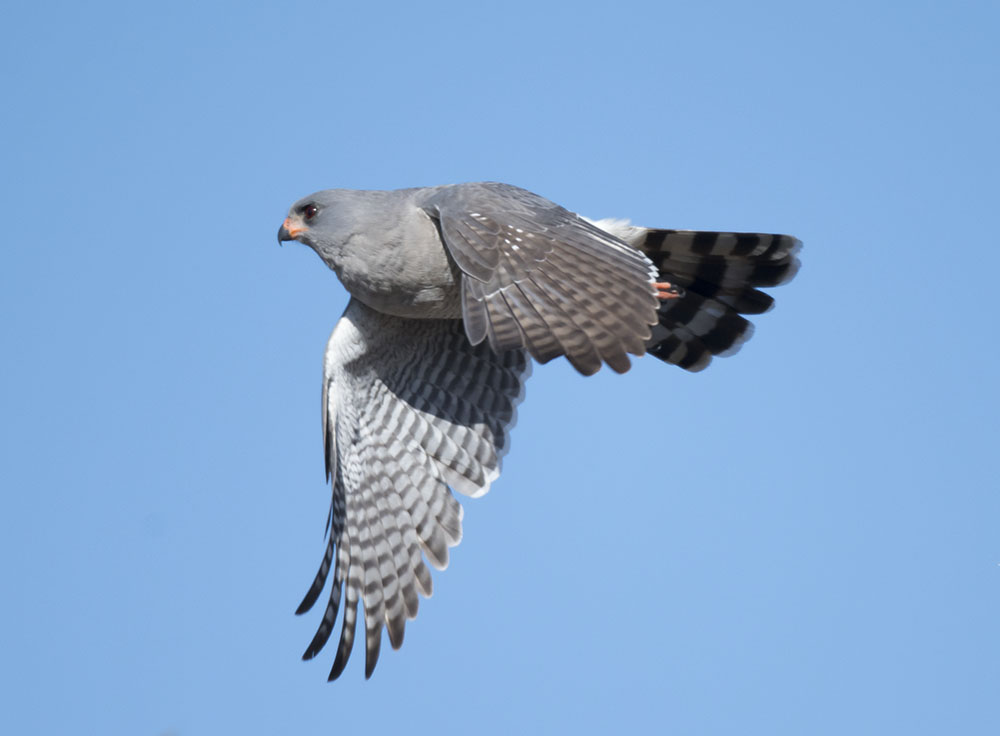
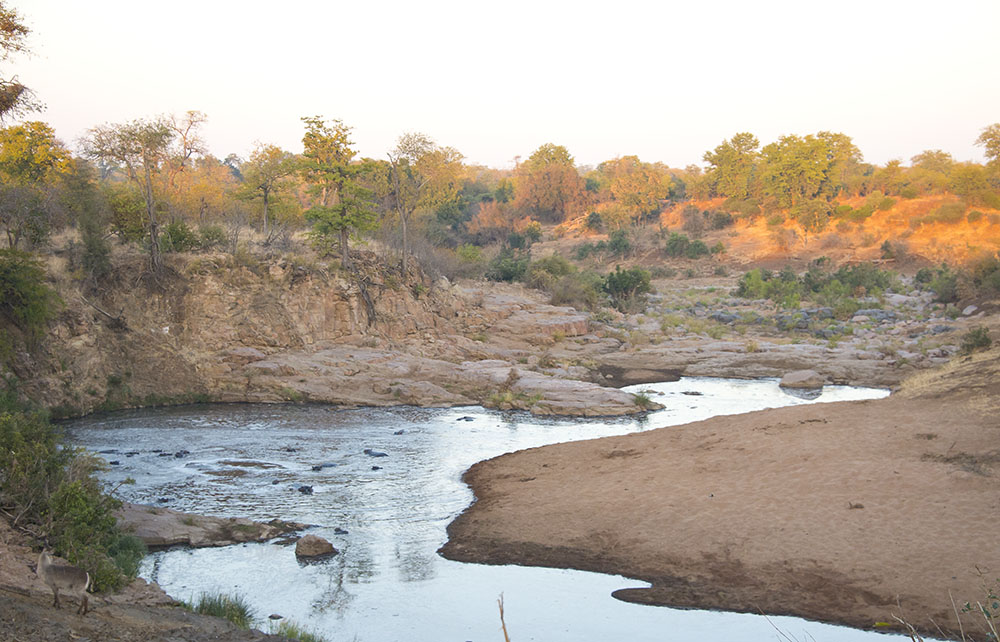
The confluence of the Shingwedzi (left) and the Mphongola rivers. Hippos and crocs are resident in the larger poolsDark Chanting Goshawk
Occasional cold fronts which often sweep across the country in winter sometimes have their effect in Kruger. On Saturday 2nd August a brisk, chilly southerly wind is blowing and the sky is cloudy – not a good day for game viewing and photography.
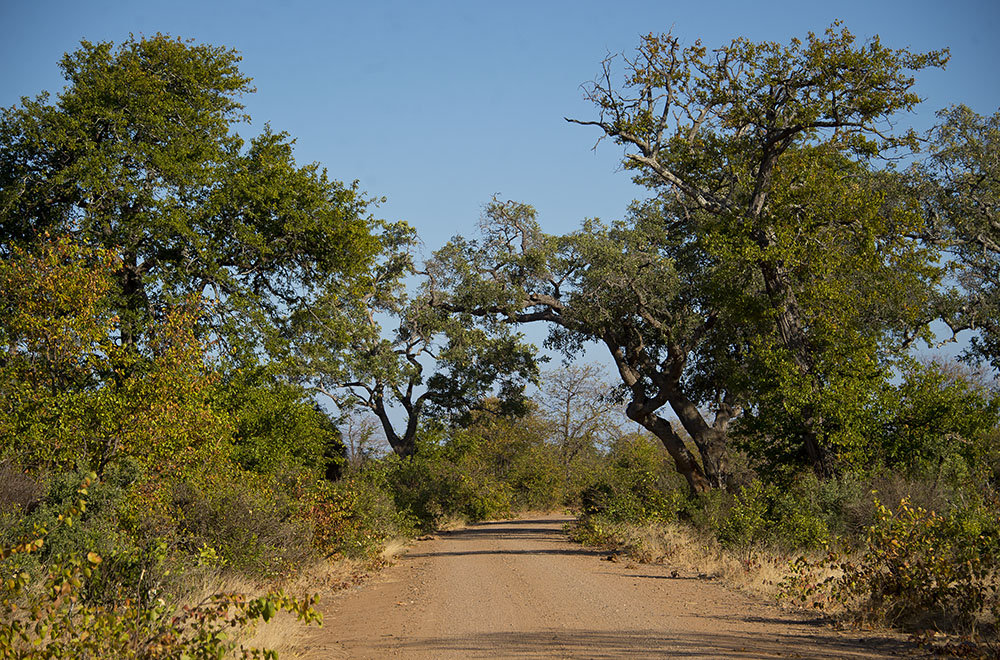
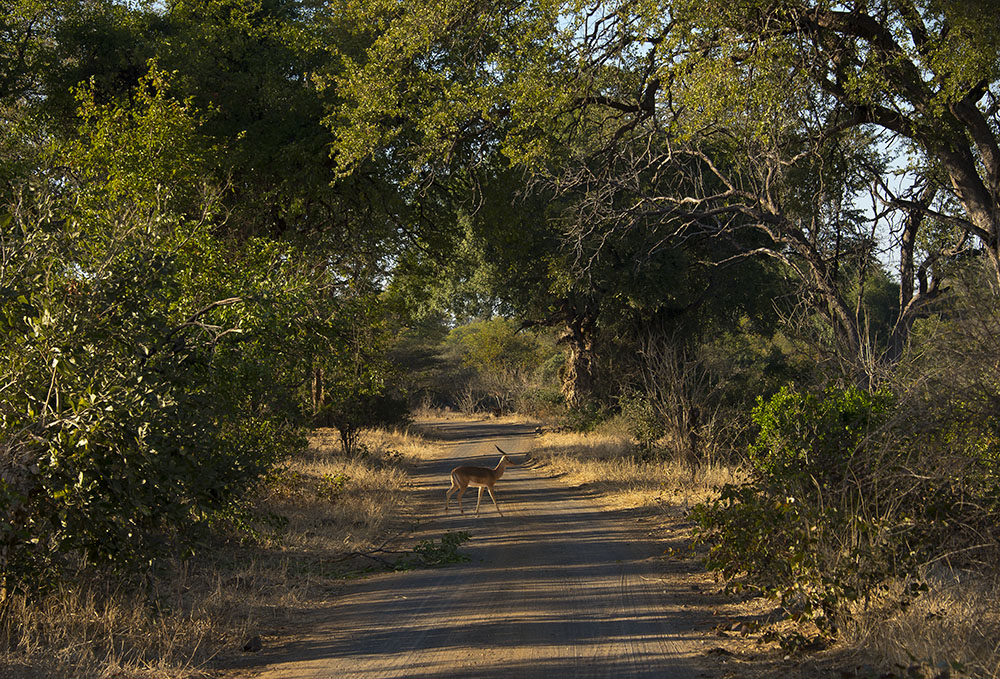
On Sunday we head for our favourite road the S56 that follows the Mphongola River. Shingwezi’s attraction are a number of great river road drives lined with huge trees – so very impressive.
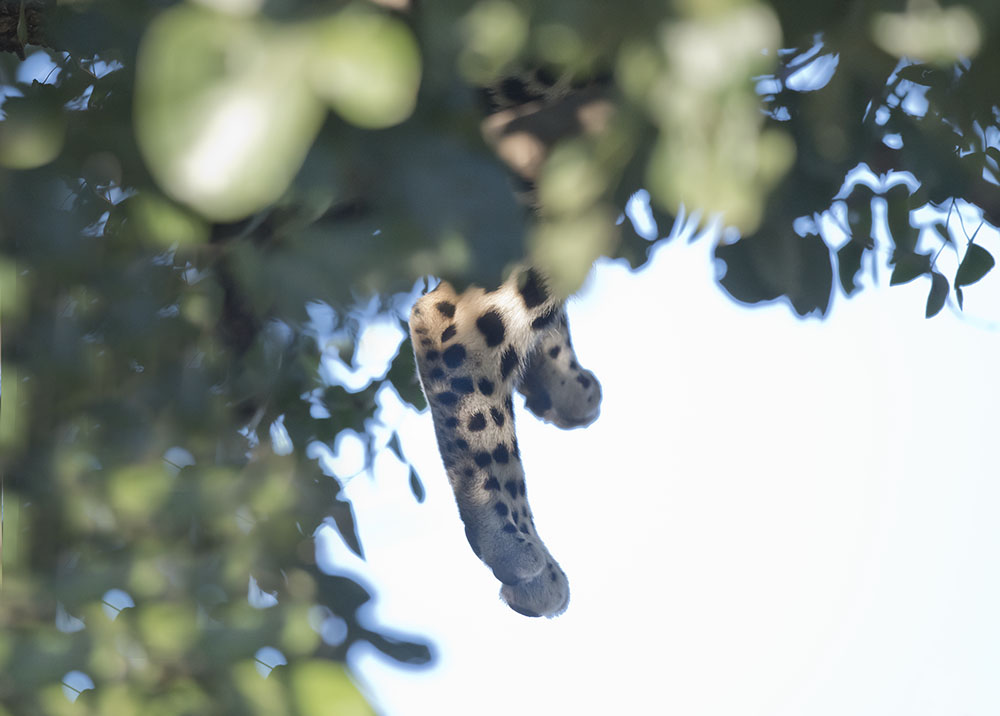
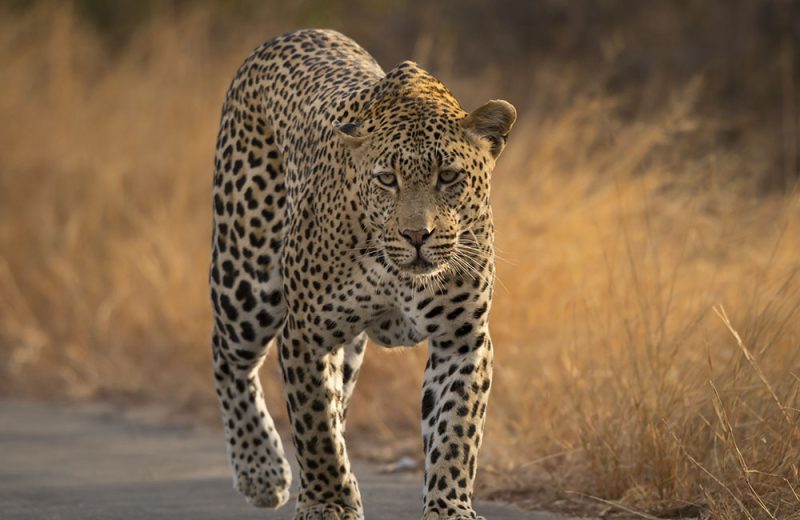
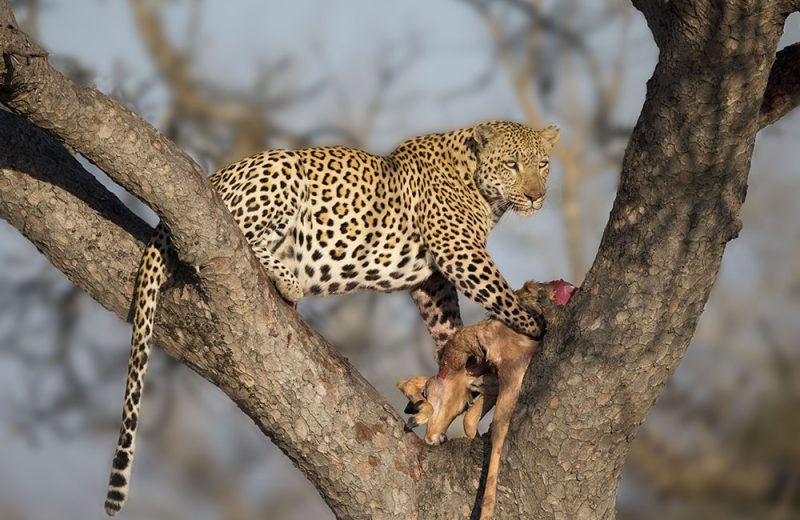
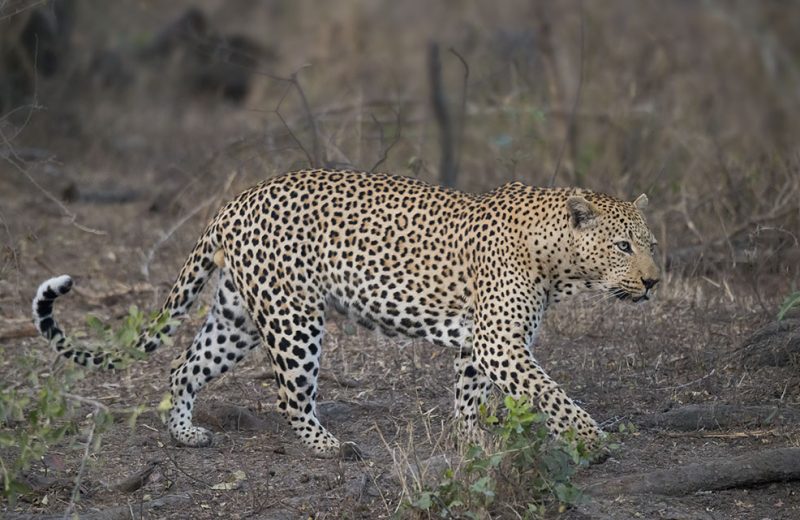
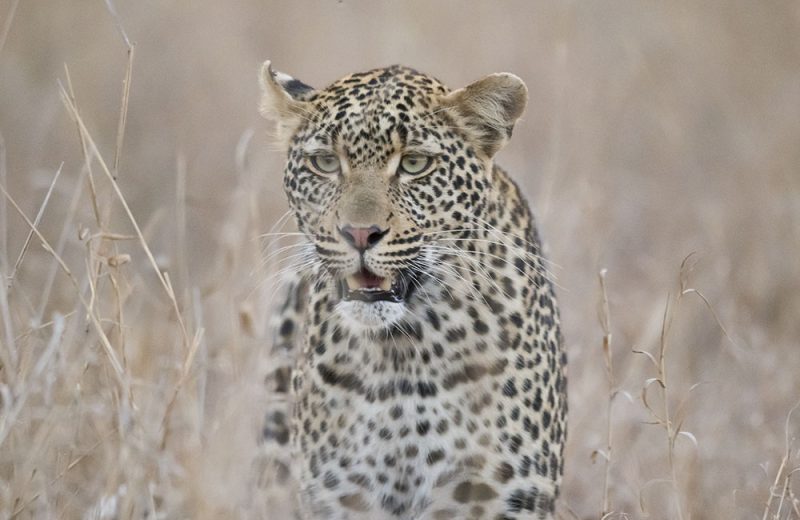
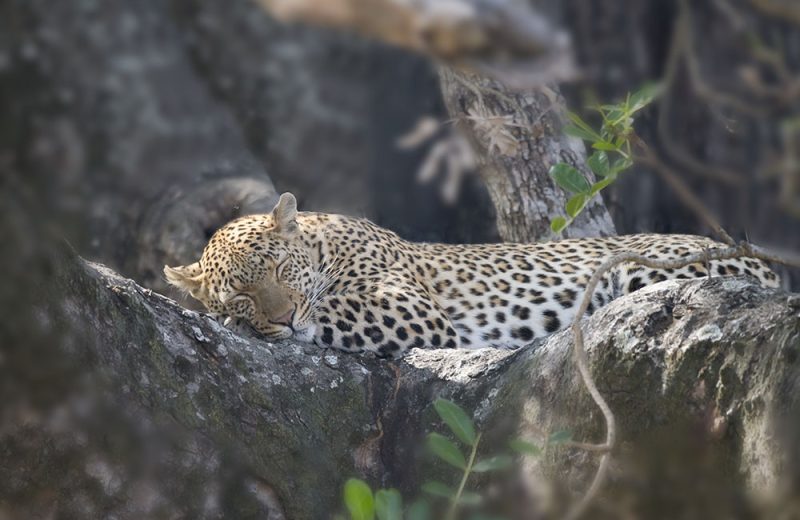
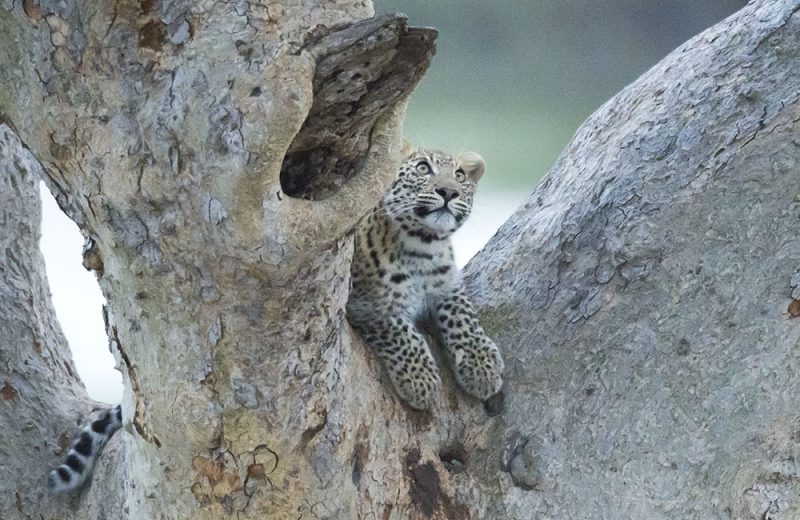
A number of hippo in this pool close to the Sirheni Bush Camp along the S56 road.Given the dense foliage of the many trees, one can only hope to see leopards on the ground. There must be many of these cats judging by the number of impala and nyala we see but seeing them is difficult.This was the only leopard spot at Shingwedzi. That’s all we saw of him as the rest of his body was behind thick leaves.The S56 in the early morning is one of those roads where one can see few animals but so enjoy the beauty of the drive.
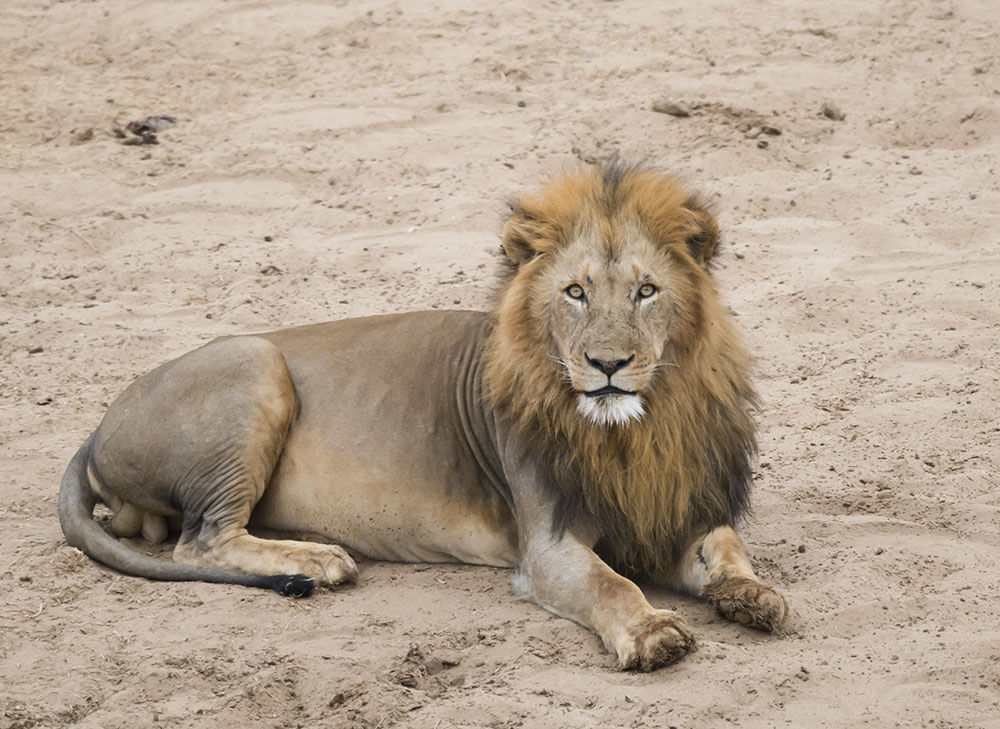
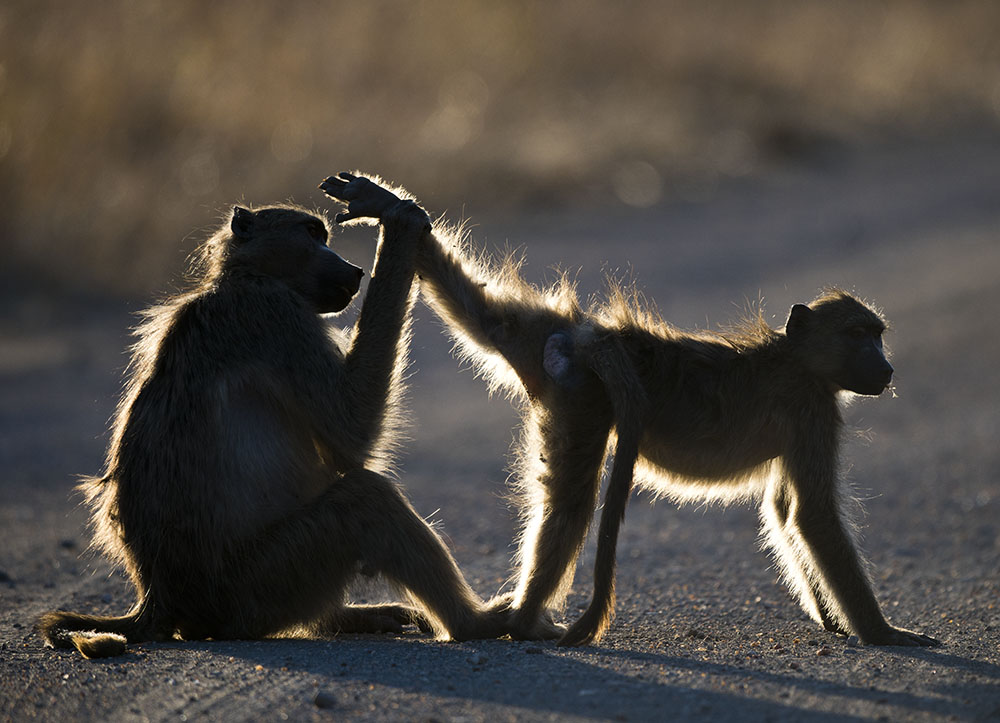
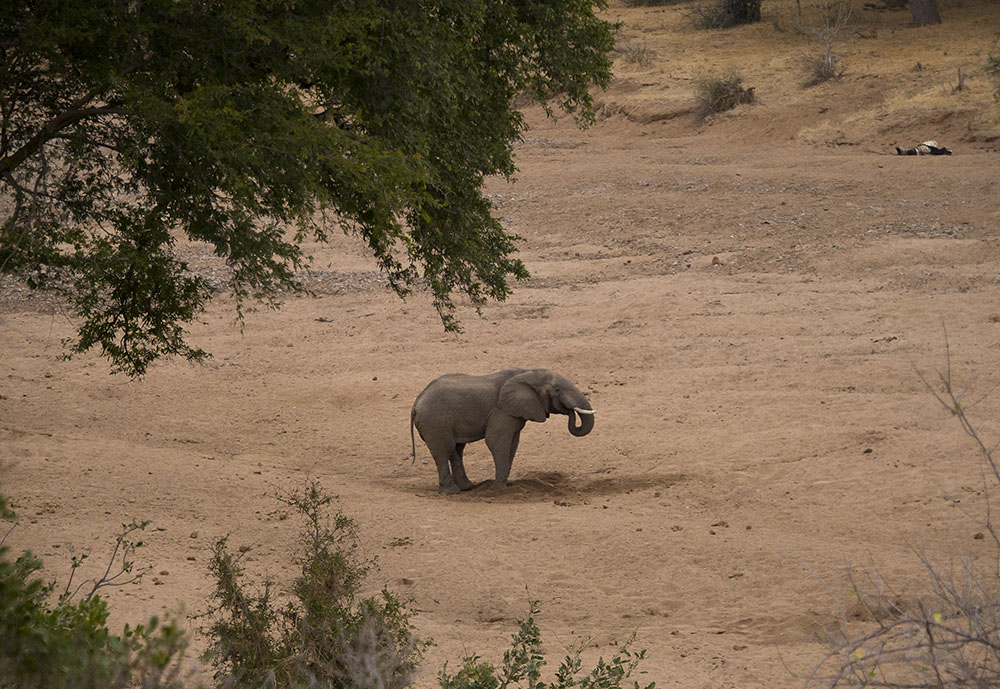
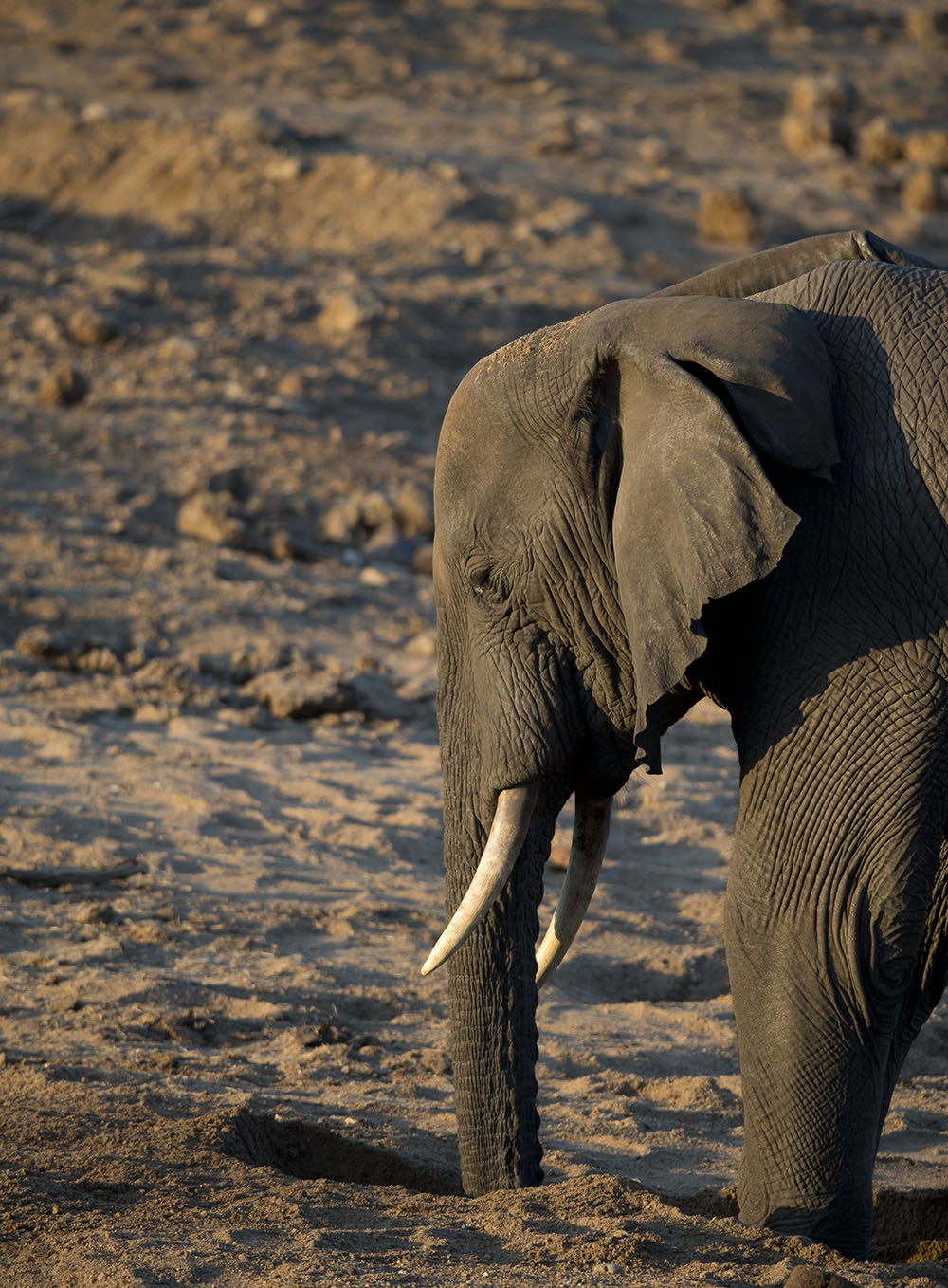
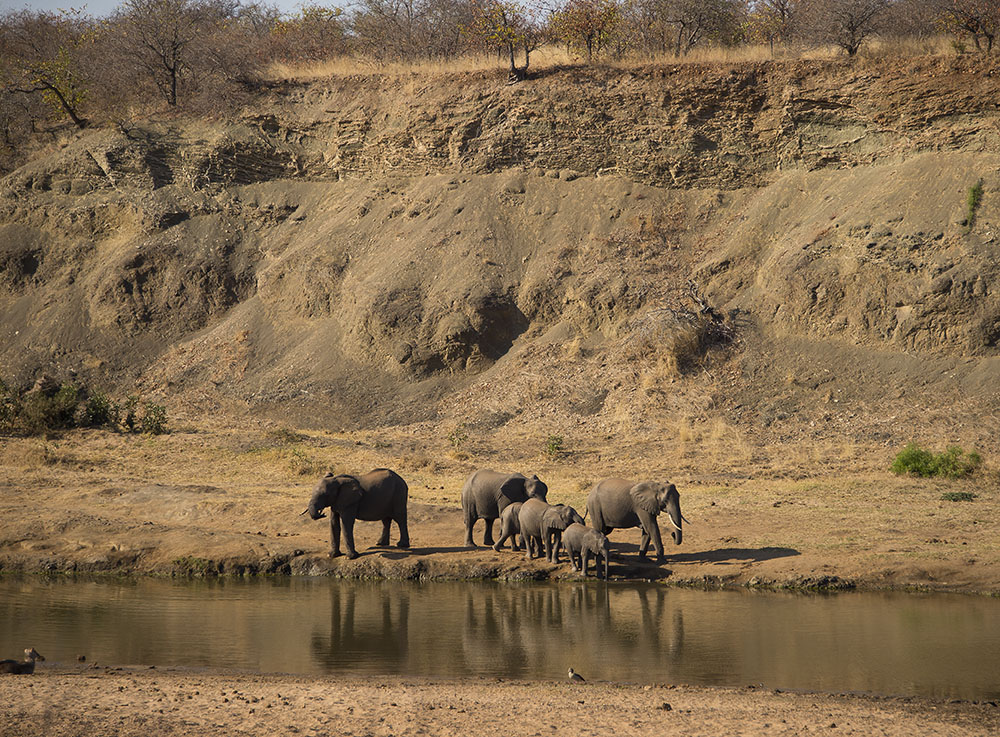
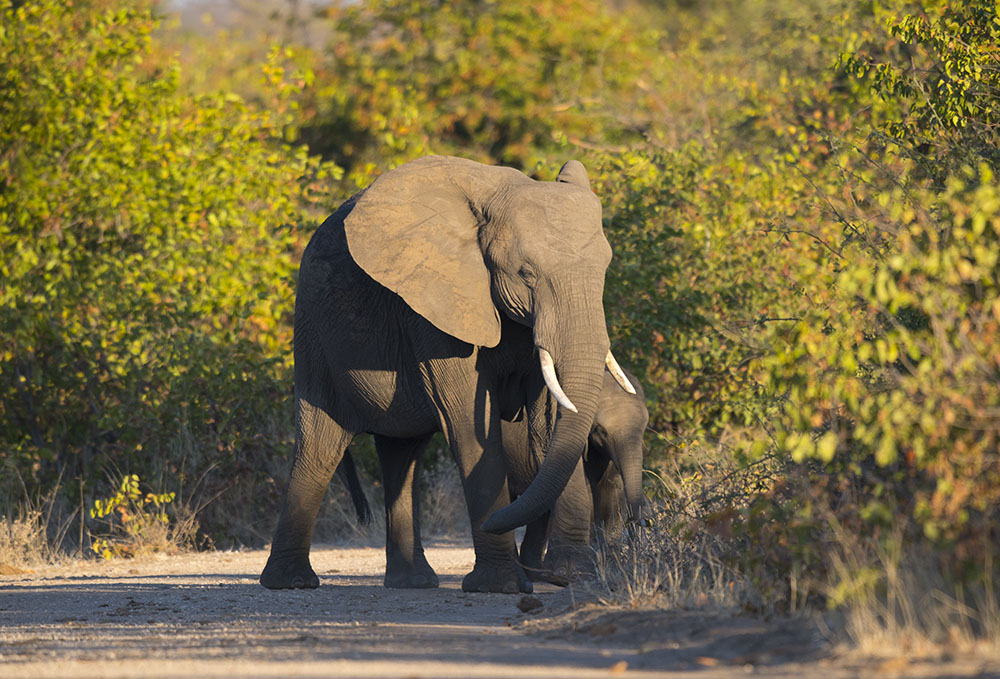
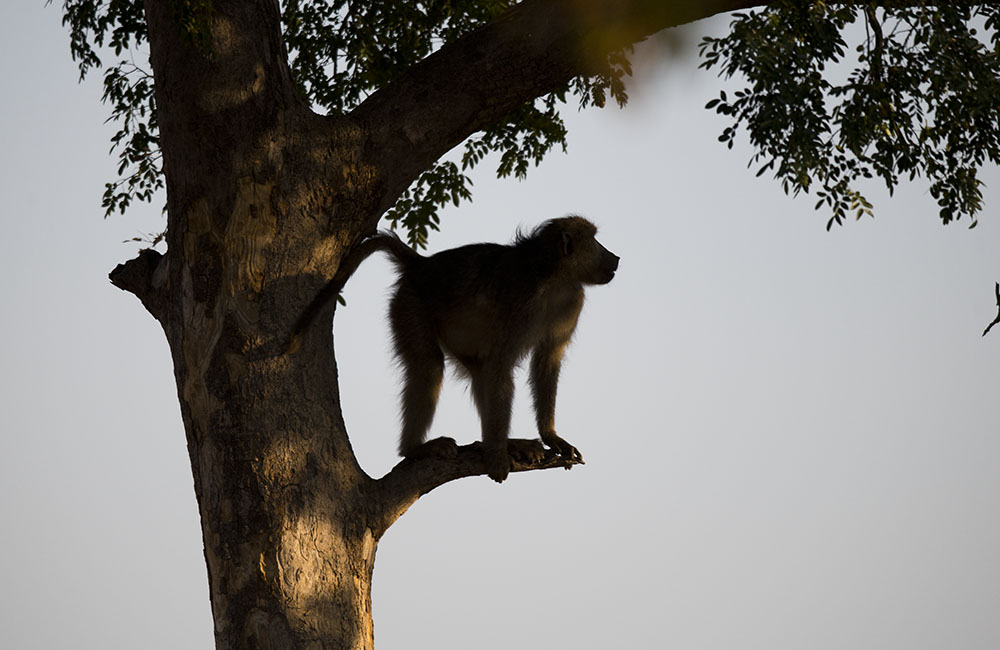
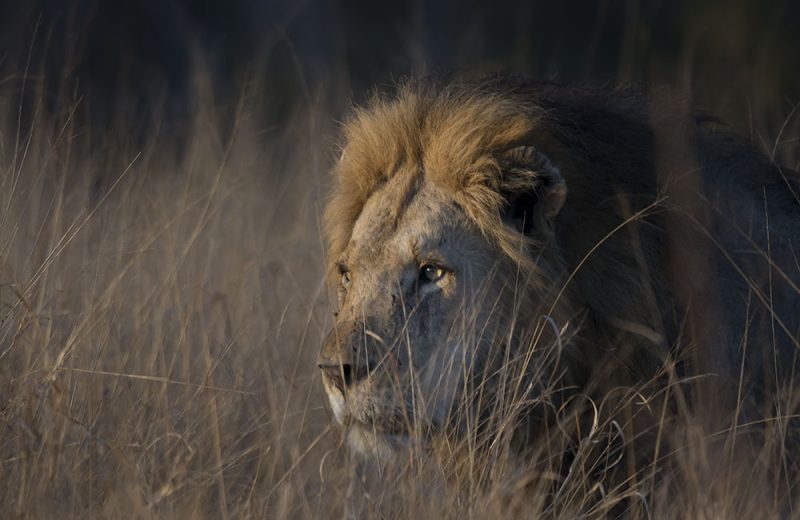
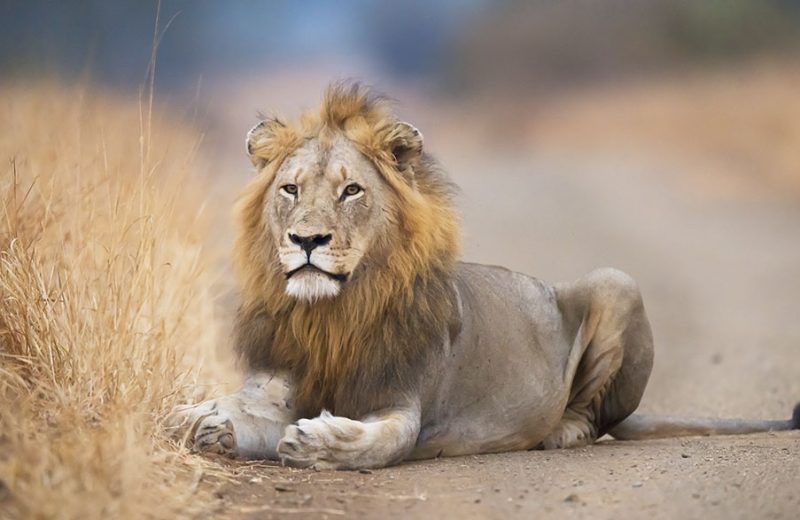
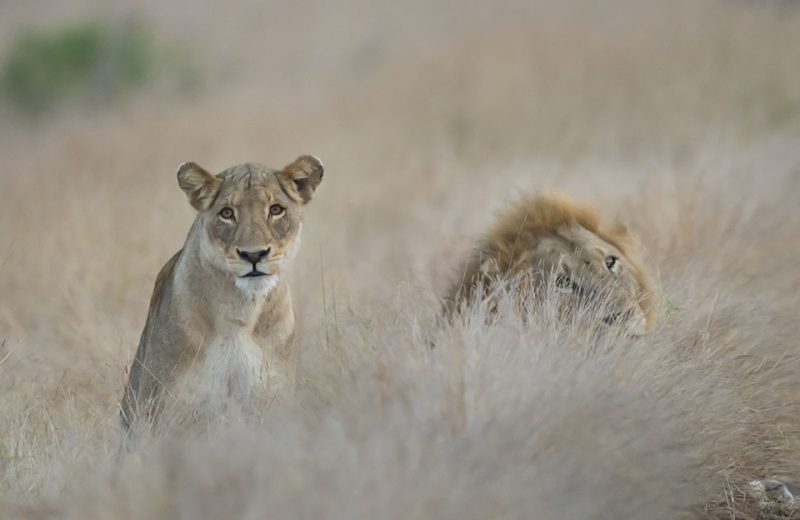
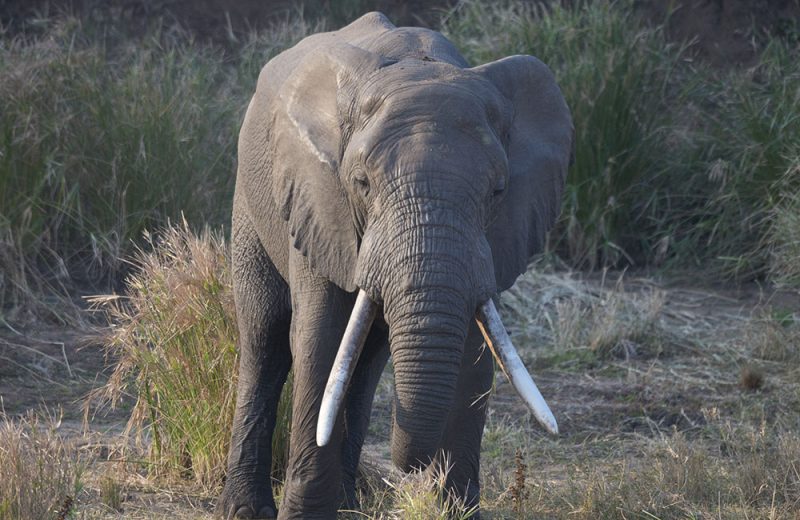
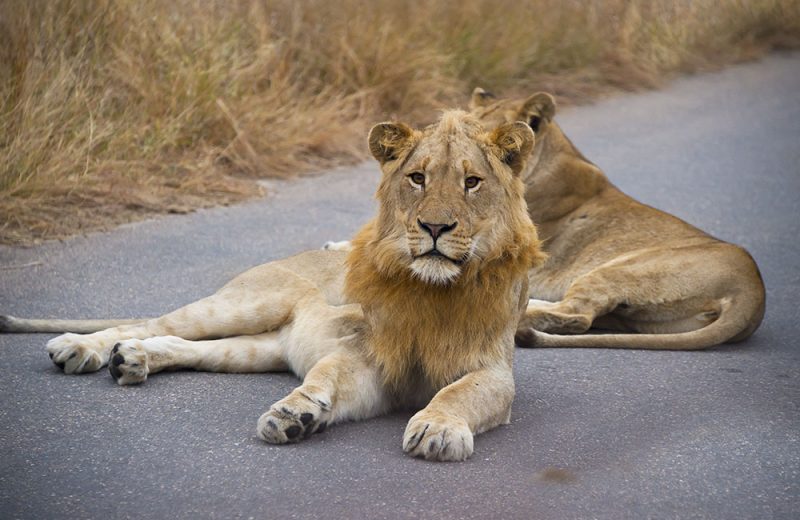
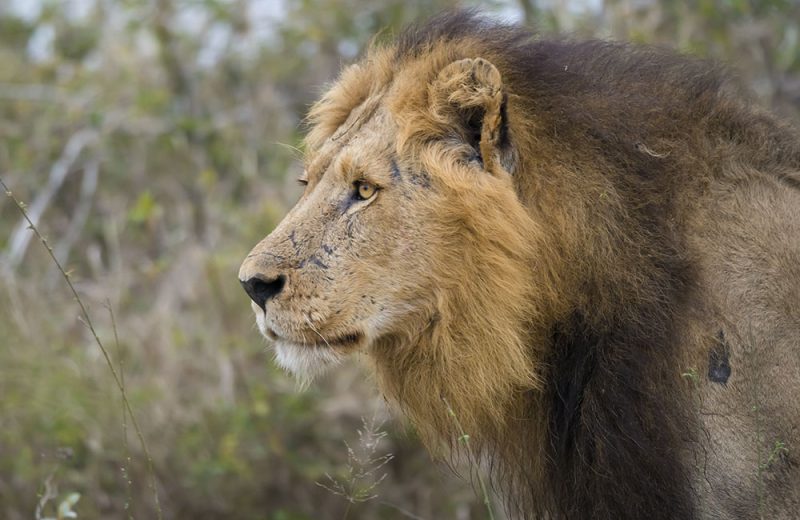
The lions of course hang around the riverbedsSitting amongst a troop of baboons is sure to lighten the moment.Elephants prefer to dig holes in the sand and then enjoy clean, filtered water thus ignoring nearby stagnant pools.
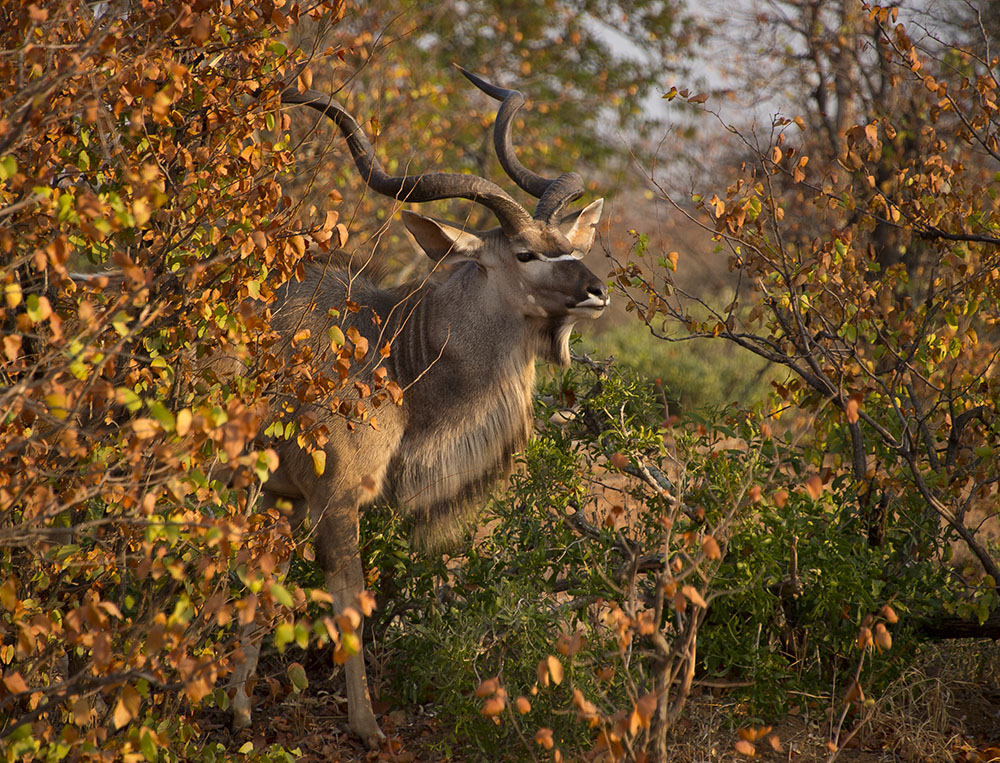
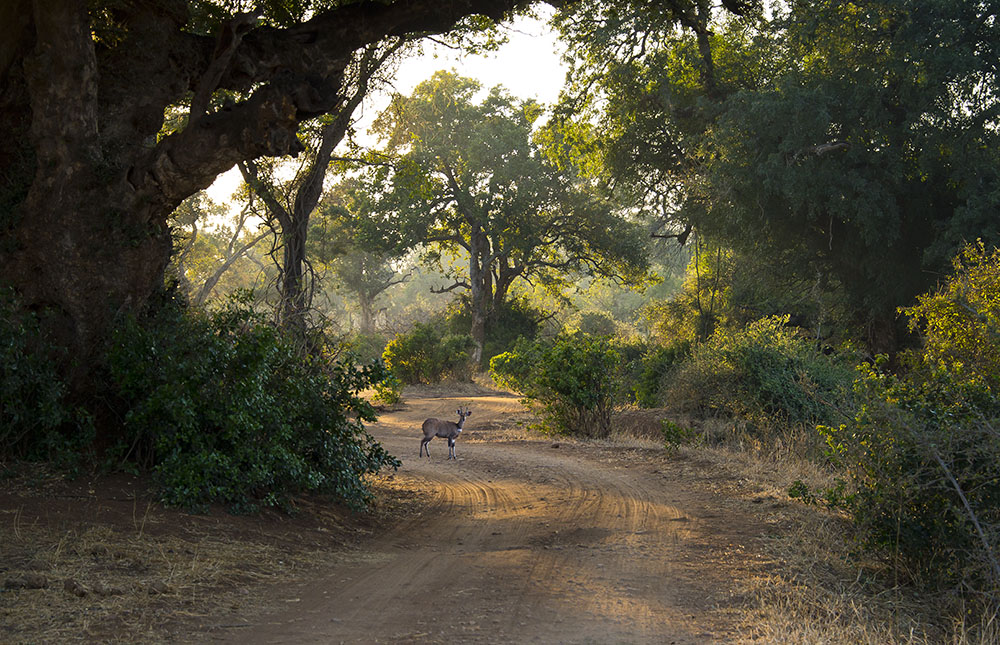
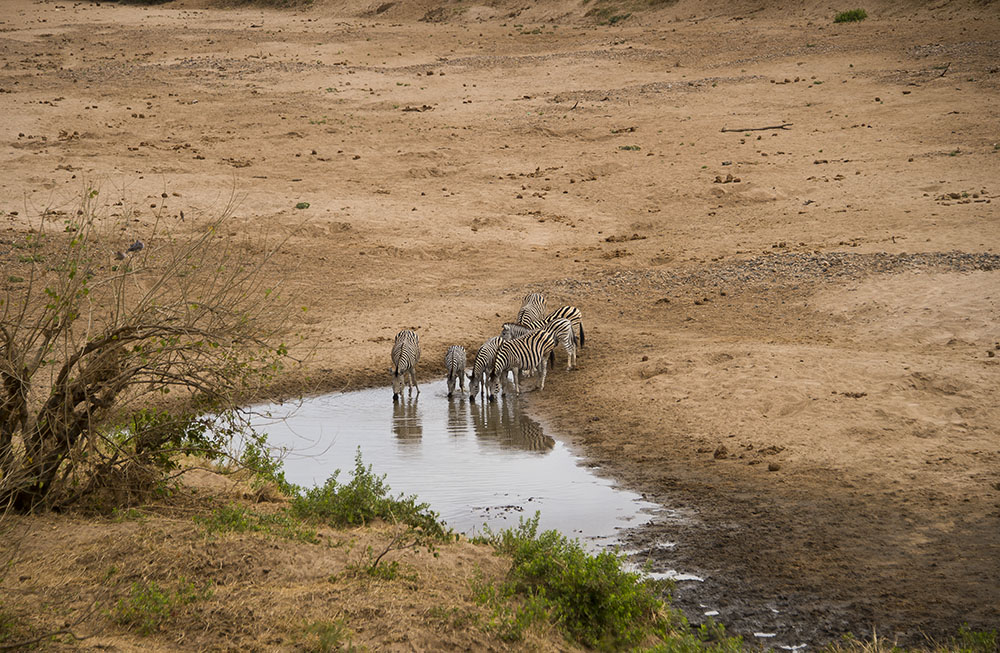
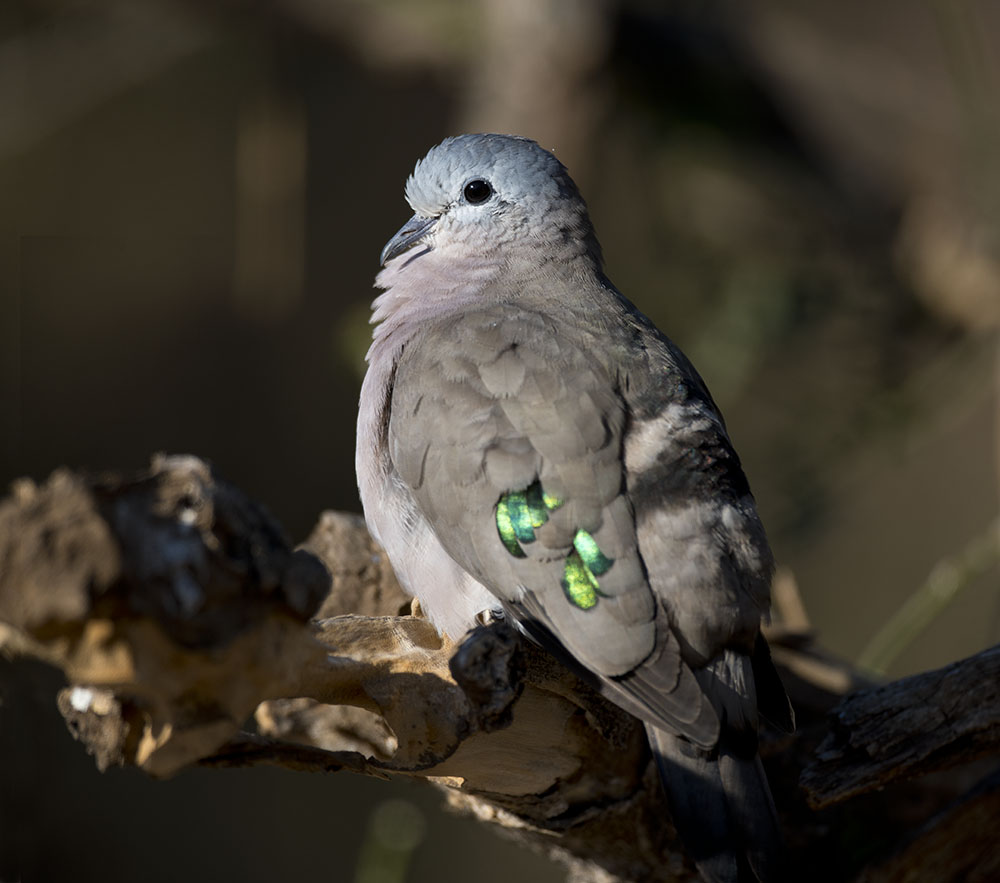
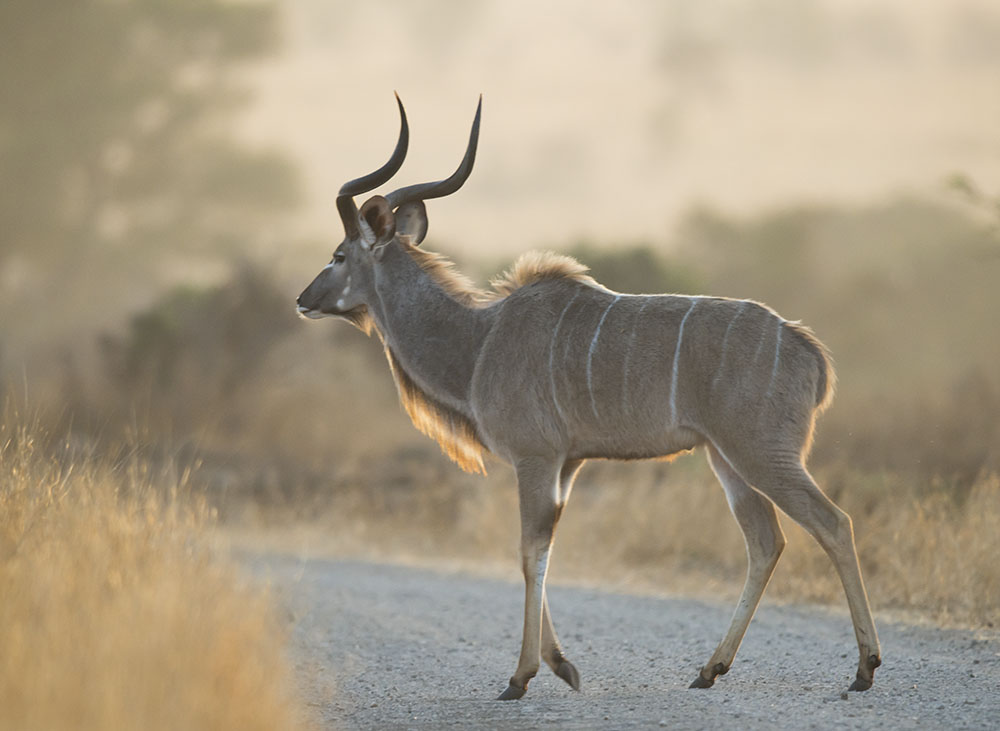
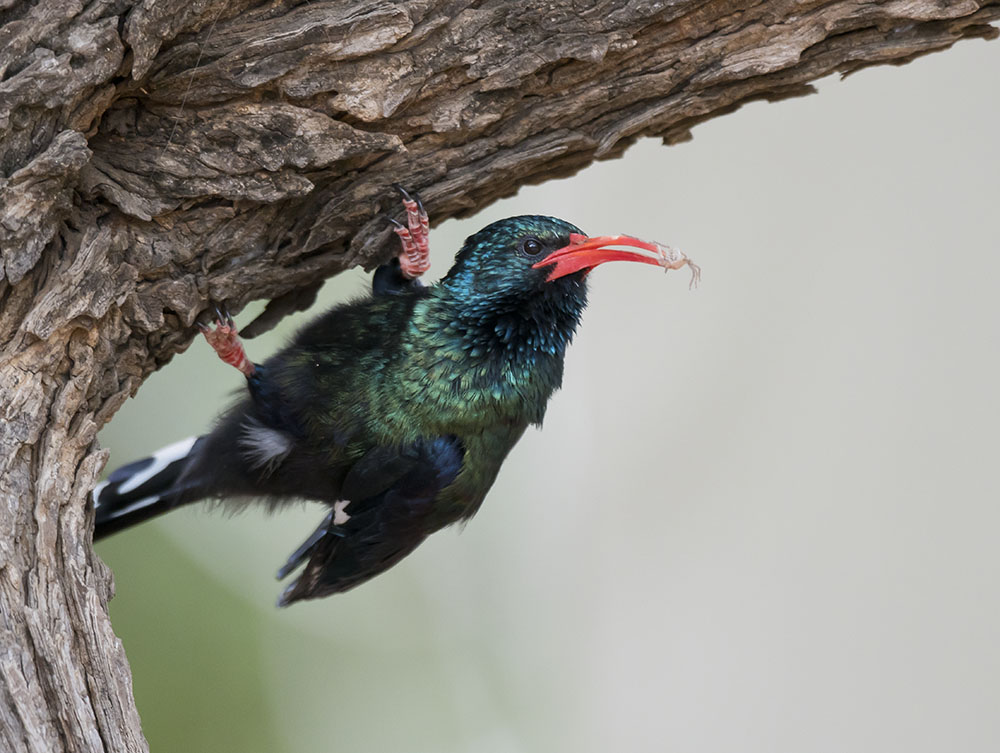
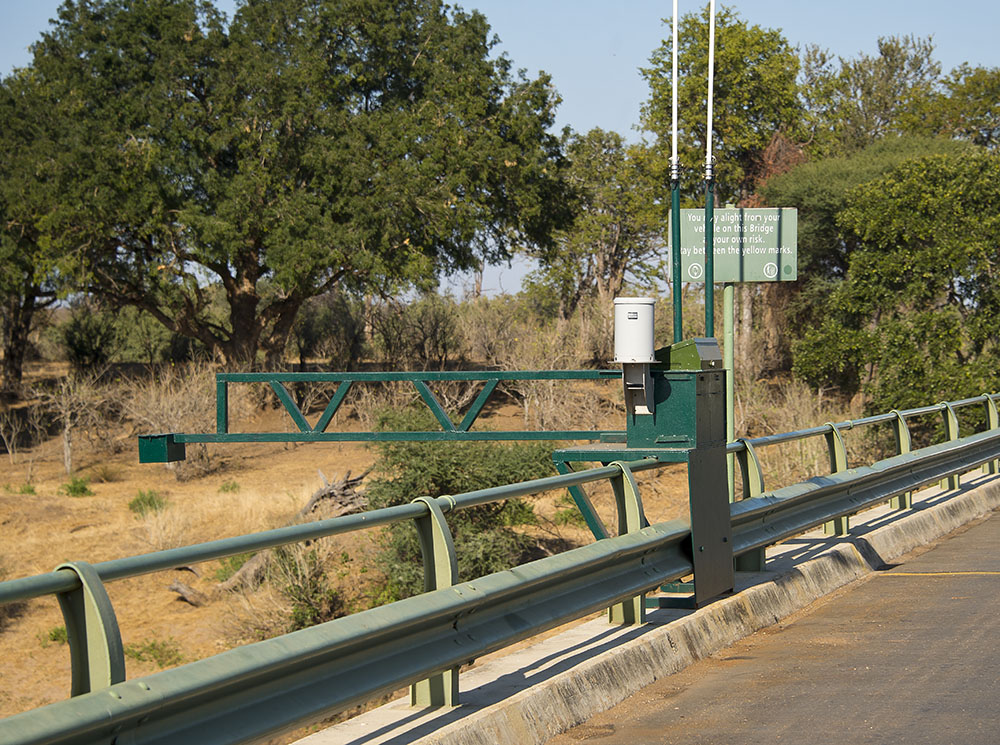
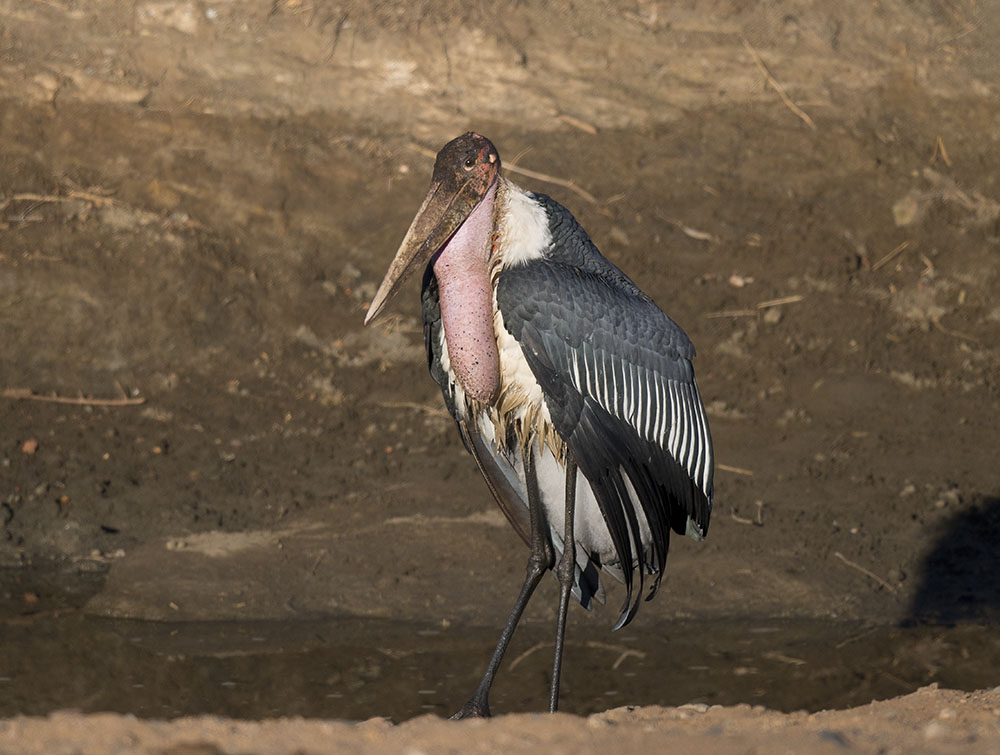
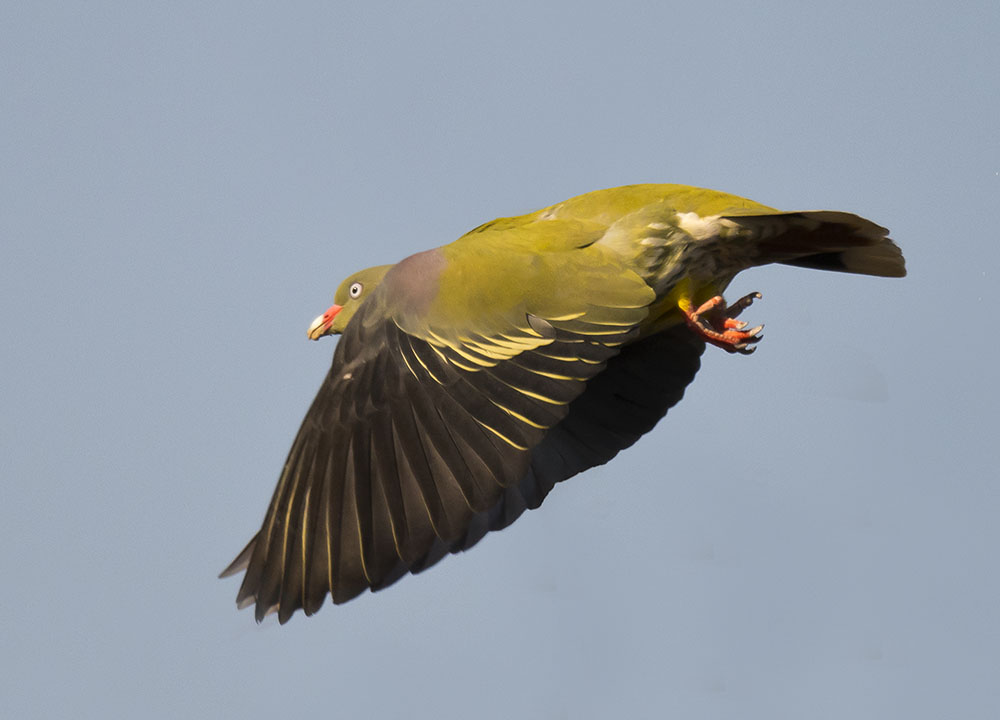
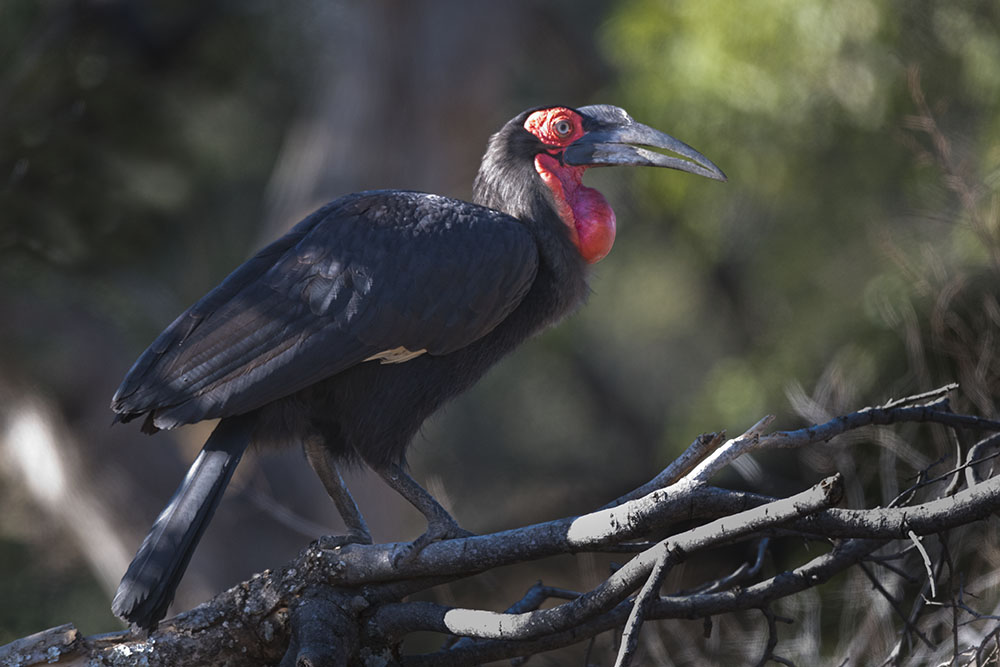
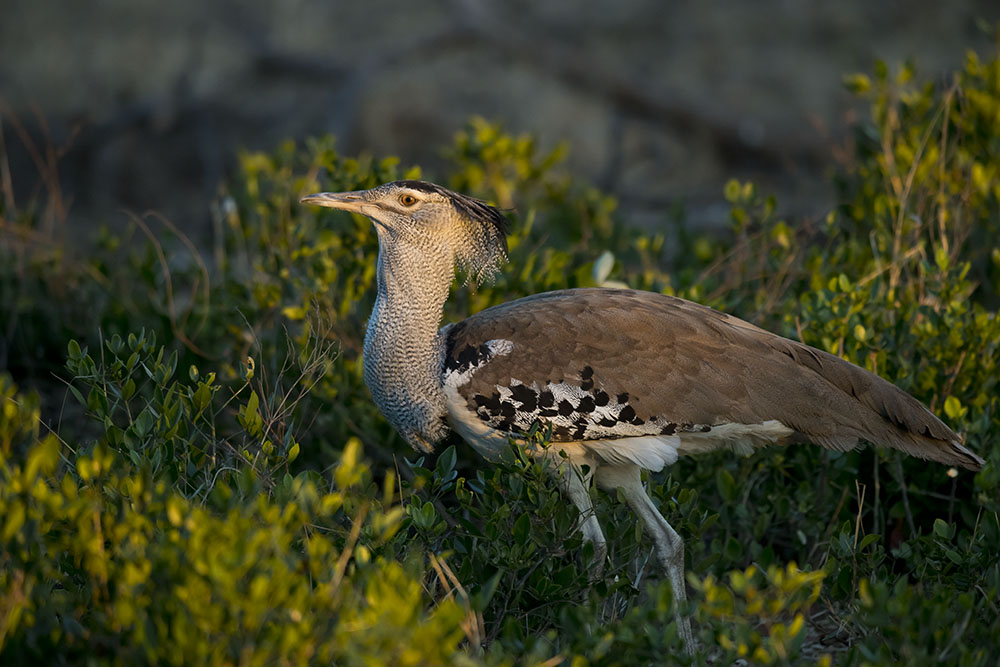
Water is plentiful in the riverbedsA sleepy Green Spotted DoveA kudu crosses the road at sunrise.Green Woodhoopoe hunting for insects in the tree bark.On the railings of the Shingwedzi Bridge is this gadget. People say that it is for an early warning of rising flood levels which is likely given this river’s violent history. In 2013 the whole camp was inundated.Mopani is elephant countryThe world of birds always strives towards great beauty. How did the poor Marabou Stork get this so wrong?By contrast the beautiful Green Pigeon7 o’clock and all’s well.Ground HornbillAn evening Kori Bustard
We had intended to spend more time at Shingwedzi but we have cut short our stay as we move south for a week at Satara and then another week at Skukuza. Tomorrow night then at Satara.