en Route to Kruger
We leave the Cape just as the first cold fronts move in. We are very happy in the Cape but do find the winter weather quite trying. So, escaping to the warmer eastern part of the country has now become an annual habit.
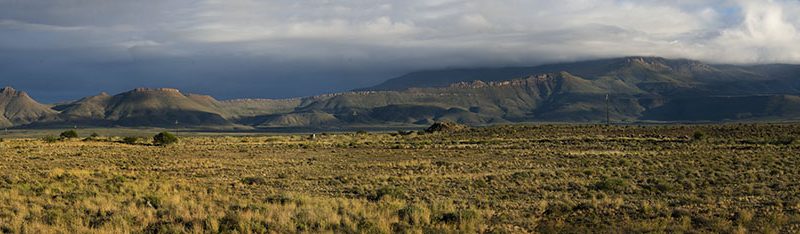
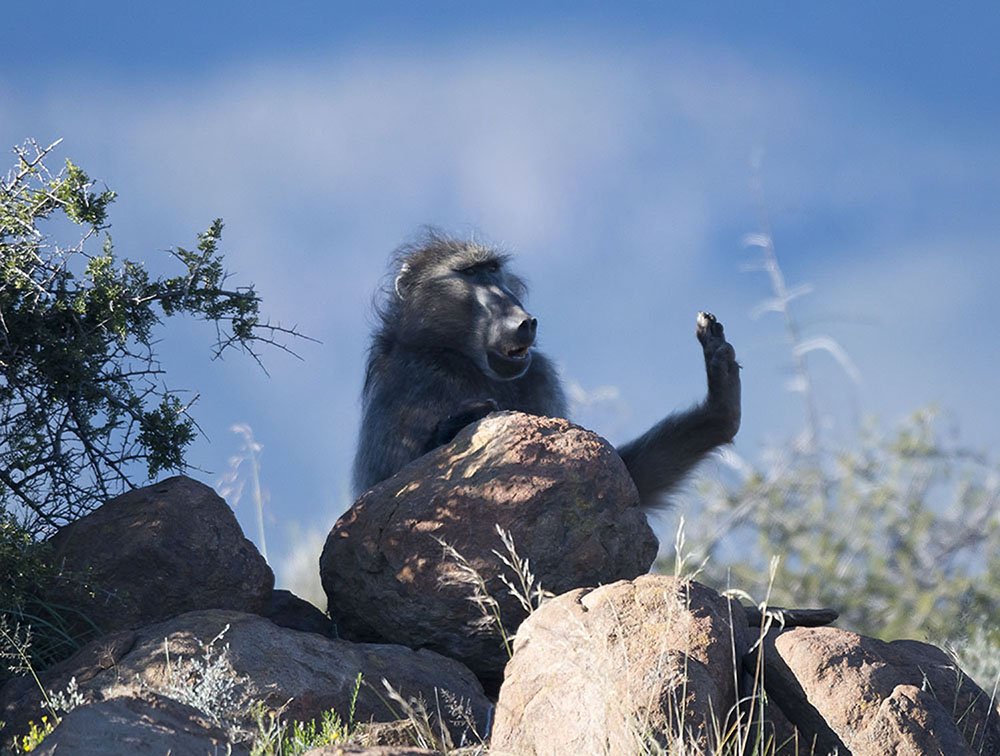
First stop is the beautiful Karoo National Park.
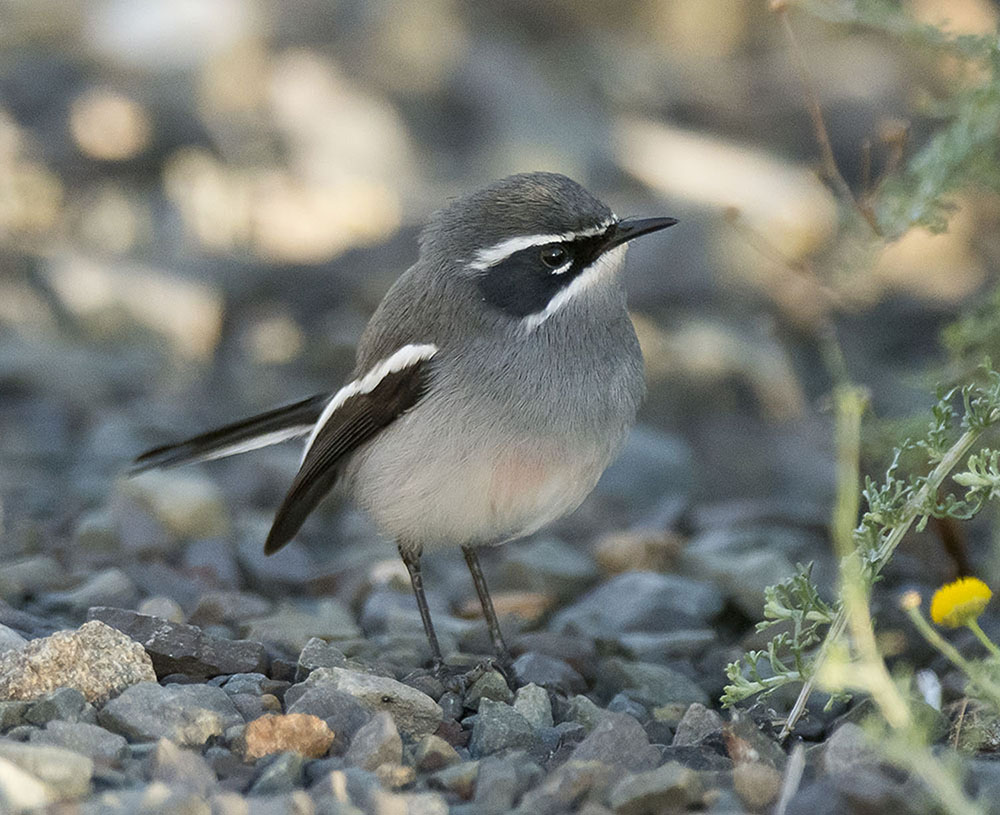
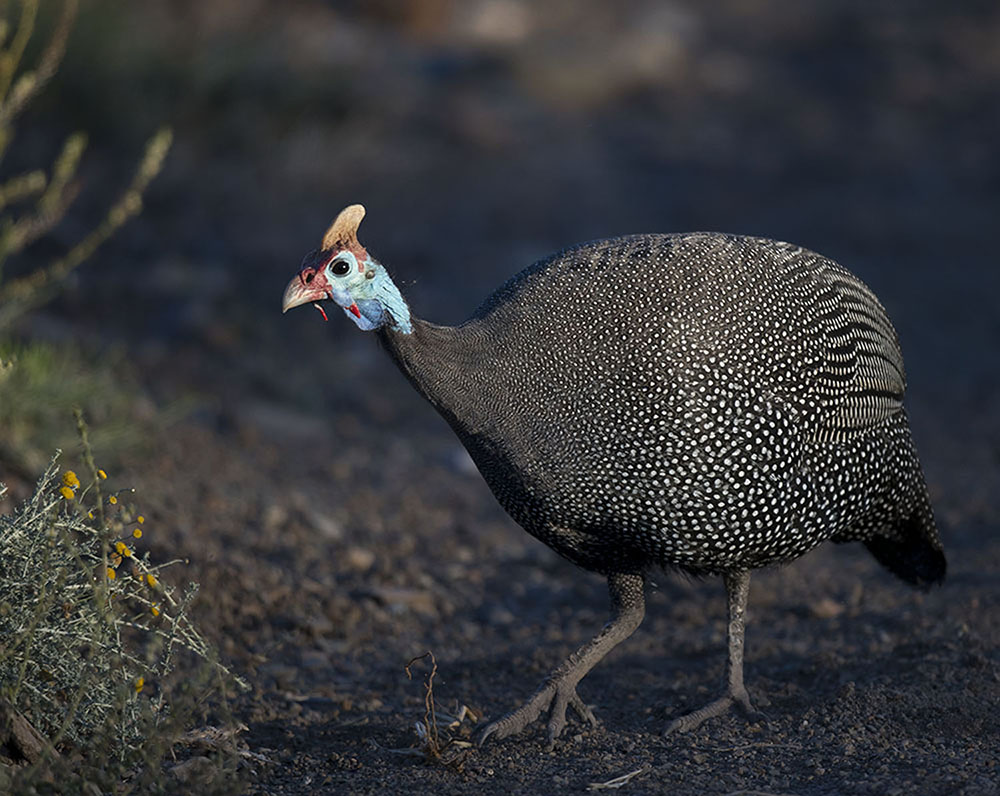
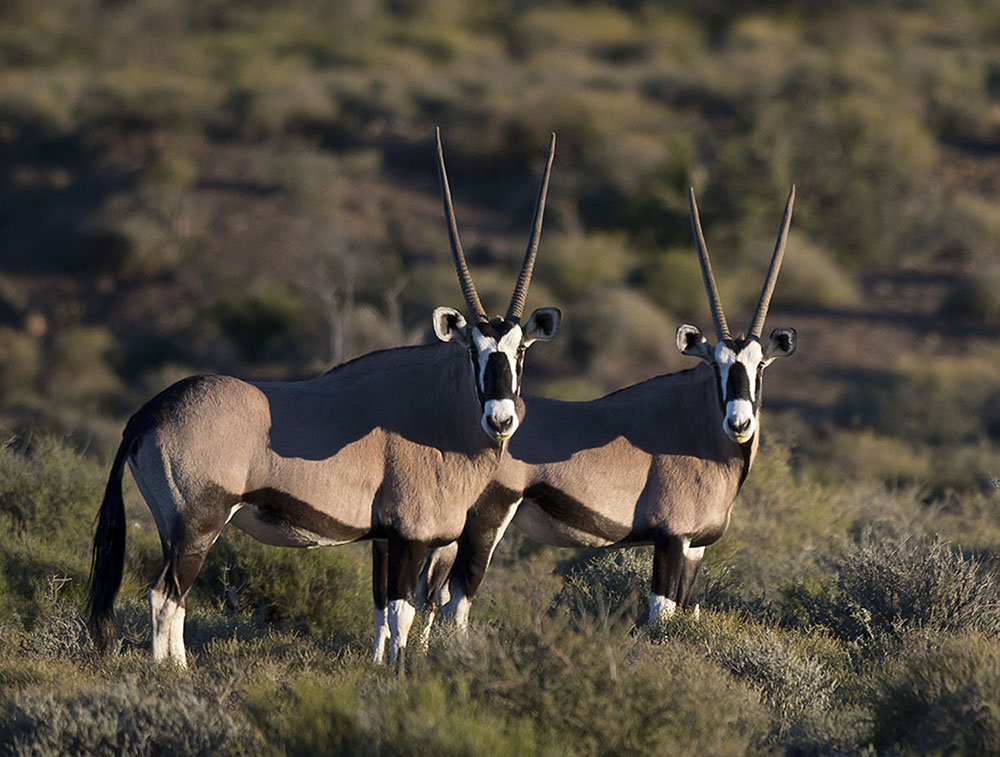
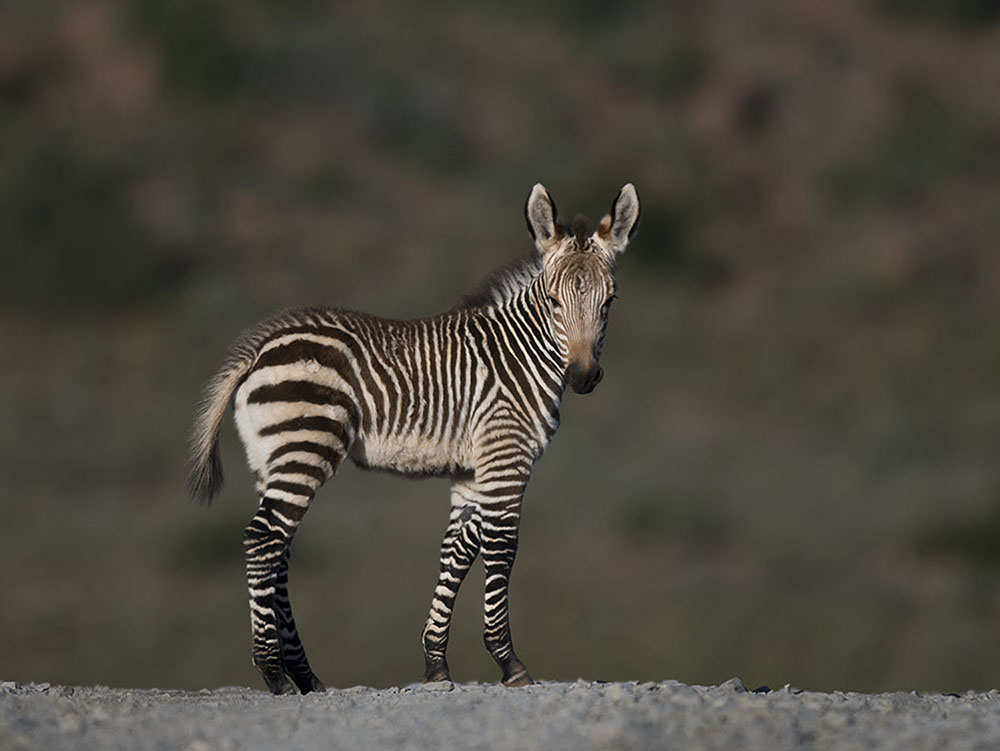
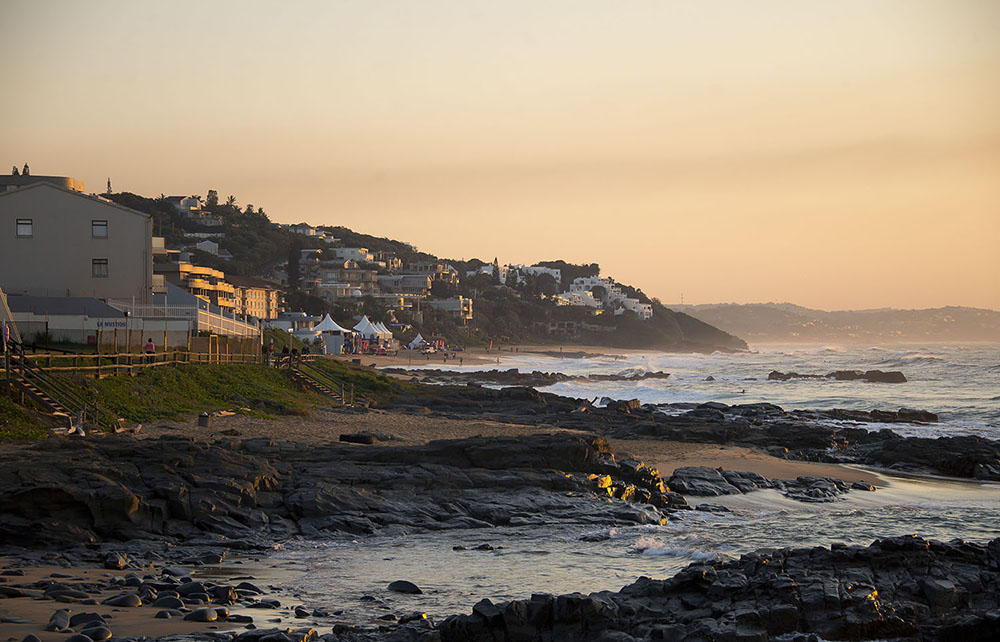
Then overnighting in Bloemfontein before the final leg to Ballito just north of Durban. Here we spend a month soaking up the warm coastal KZN winter weather.

On 19th July we make an early start f0r Kruger travelling through Swaziland – land of the unmarked speed humps and curious speed limits. But everyone is friendly so the passage goes well and we enter Kruger at 3pm. Crocodile Bridge is in drought mode – a bare, red dust bowl which is surprising after a wet summer. But how quickly it recovers though after rain.
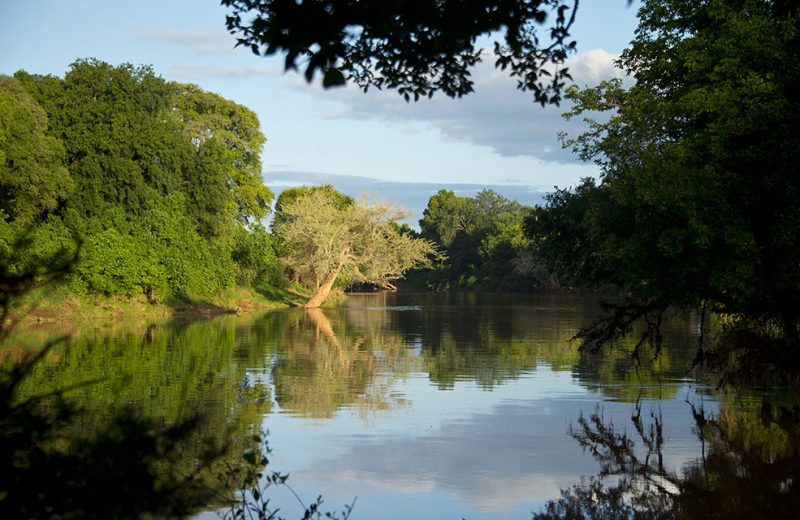
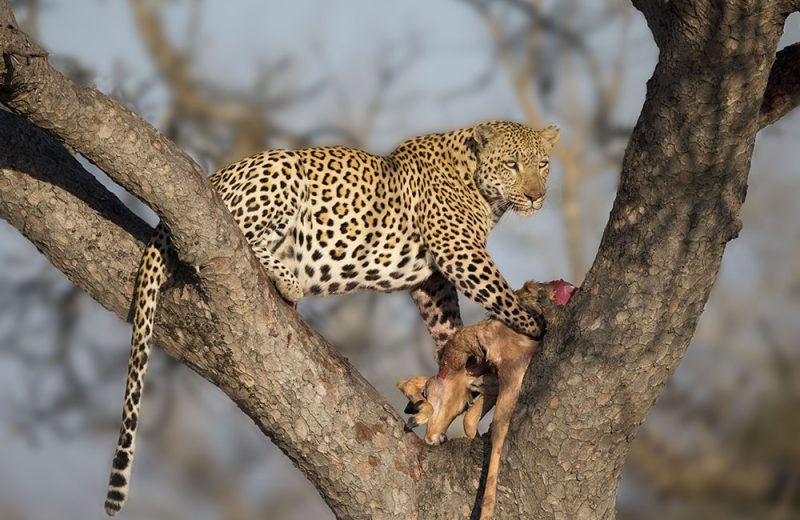
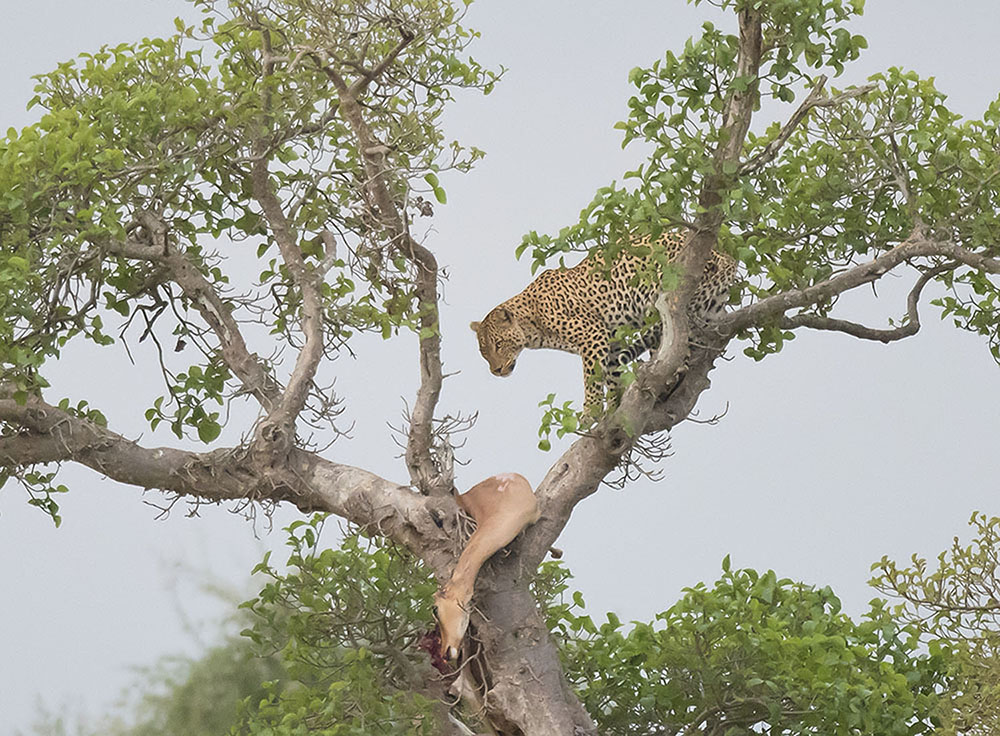
Lower Sabie We are spending until the end of the month at this lovely camp overlooking the Sabie River. We quickly set up camp and then move to the Mugg and Bean restaurant for an evening meal. There is great excitement here as across the river a leopard is feeding on an impala up a tree. It is quite dark and I have trouble keeping my camera steady as the excited tourists rock the wooden structure.
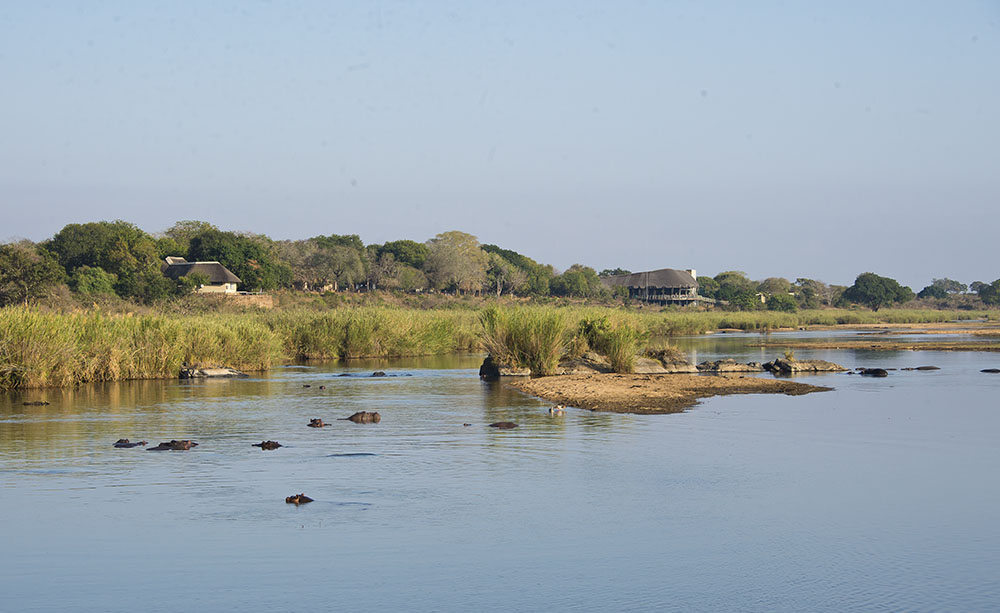
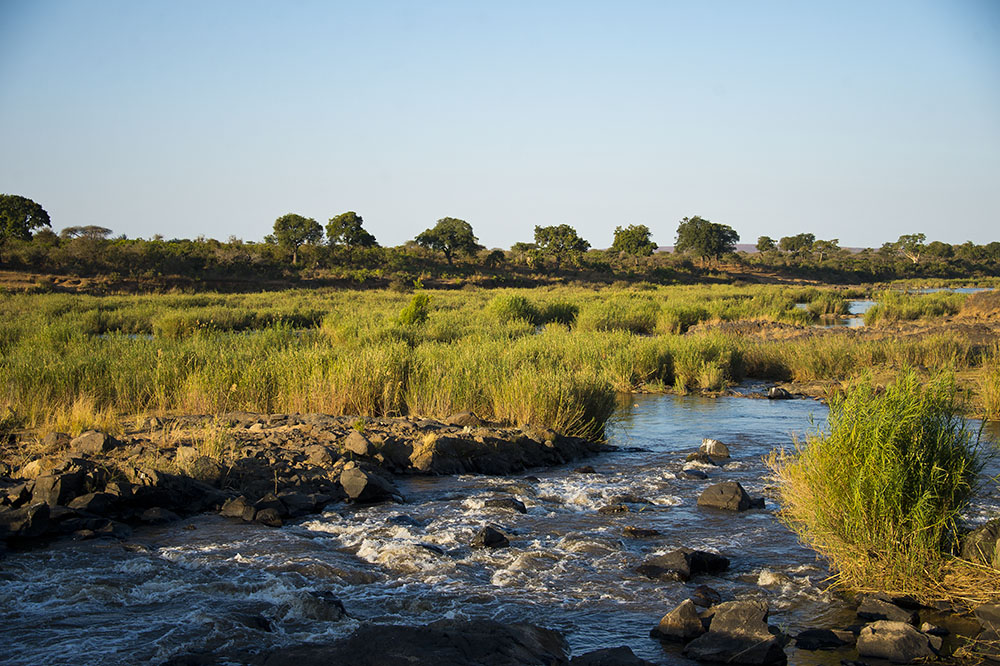

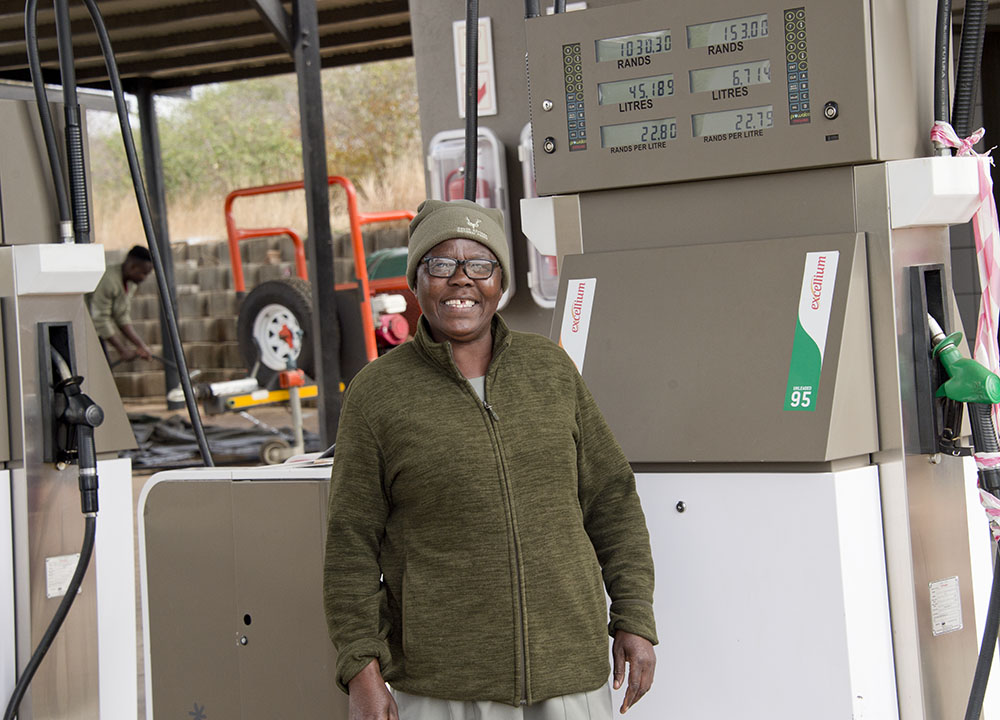
The camp itself is rather disappointing as they have stopped watering their once lush green lawns and the camp has become bare and dusty. This isn’t the place for negativity but I will just say that management is lacking and leave it at that. There are compensations though. The staff are invariably pleasant and helpful, no more so than old toothy Martha who has worked in Kruger for 35 years, the last 30 of which have been dispensing petrol. This cheerful soul retires at the end of the year and we will miss her at Lower Sabie.
The internet is so weak that one can only use it at midnight when everyone is asleep – hence the absence of my daily blog. So I am going to summarise our time spent here.
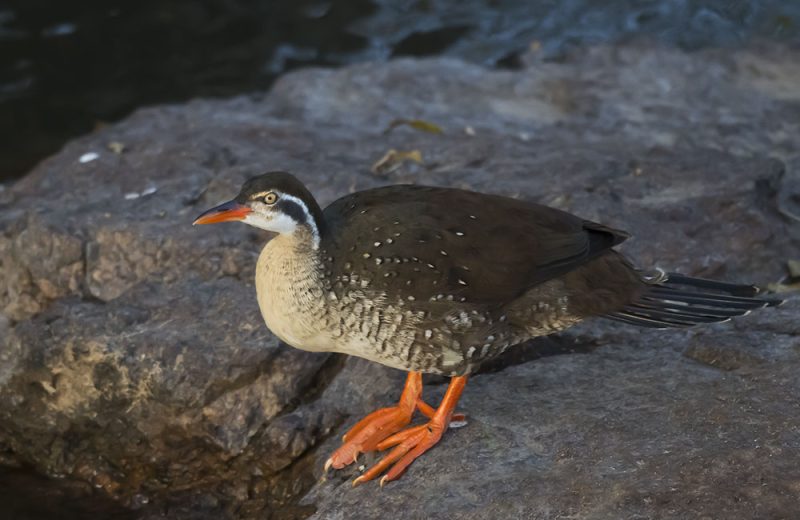
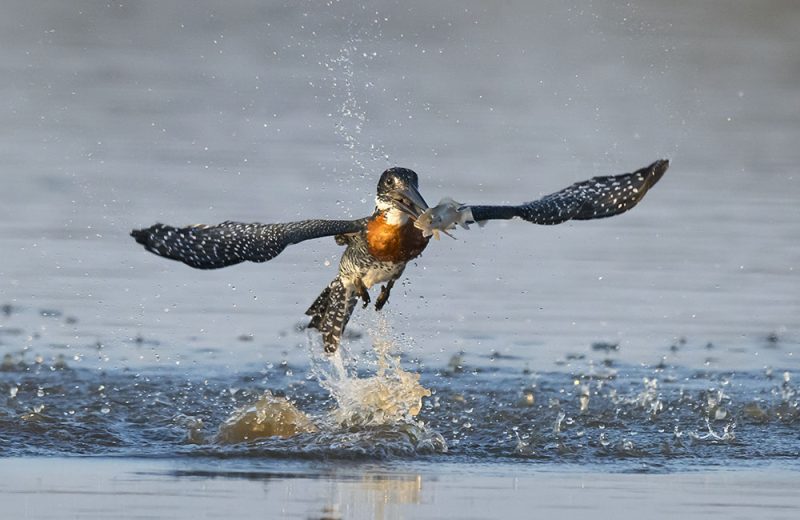
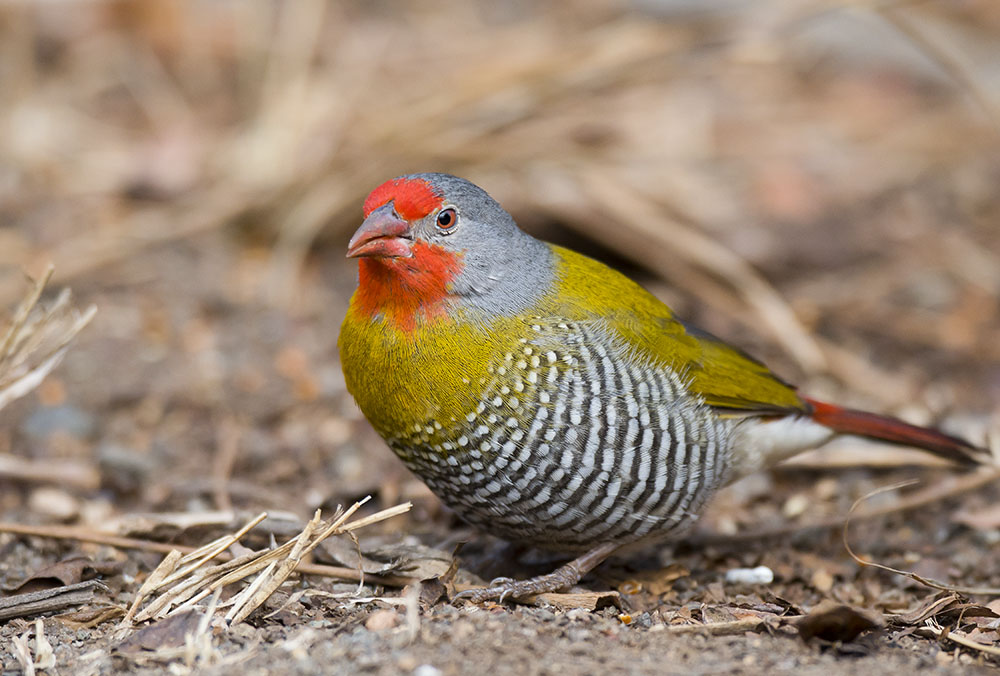
We do find a lovely campsite and with the help of a little bird seed the birds are soon active.
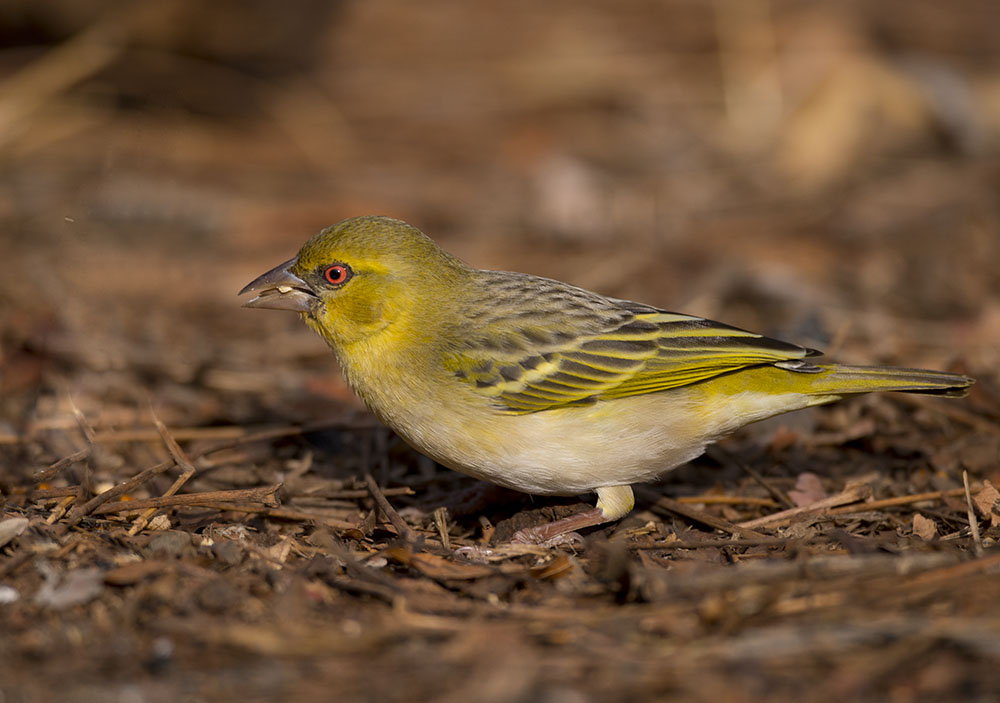
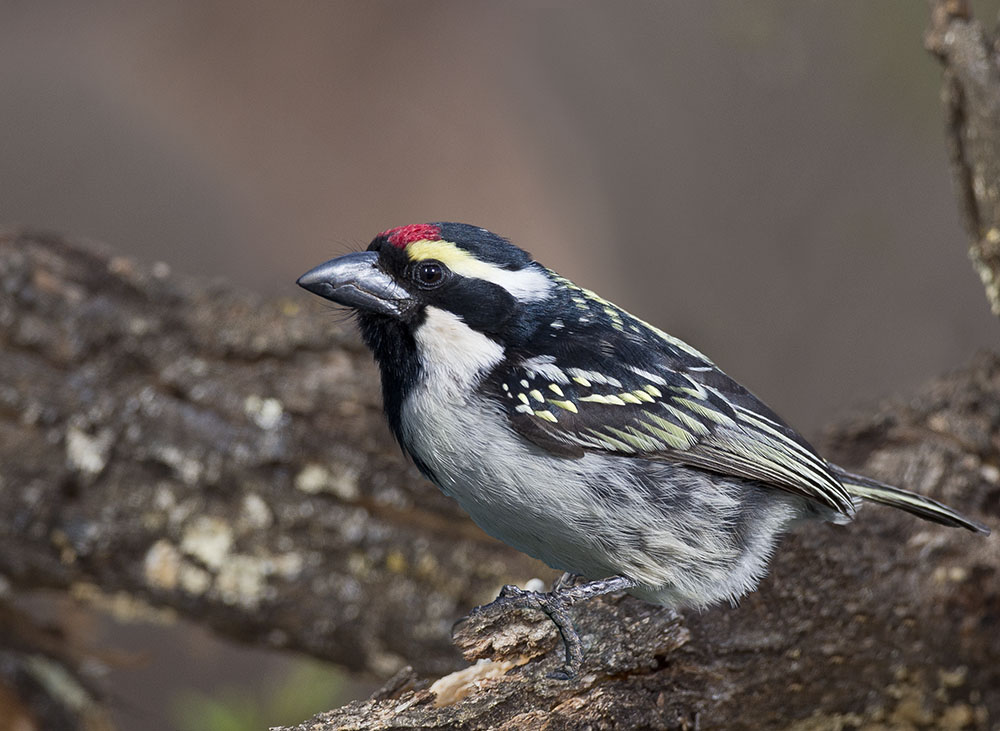
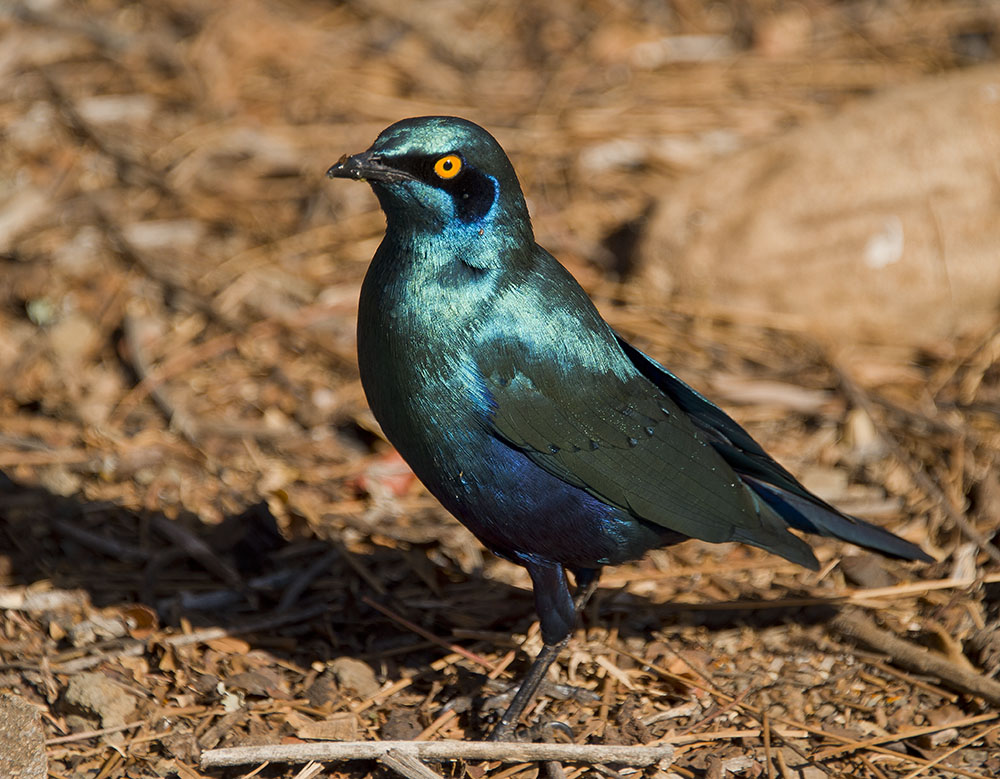
We enjoy the company of friends/cousin Dave and Bronny Davidson from KZN for three very pleasant evenings. They too are keen caravanners.
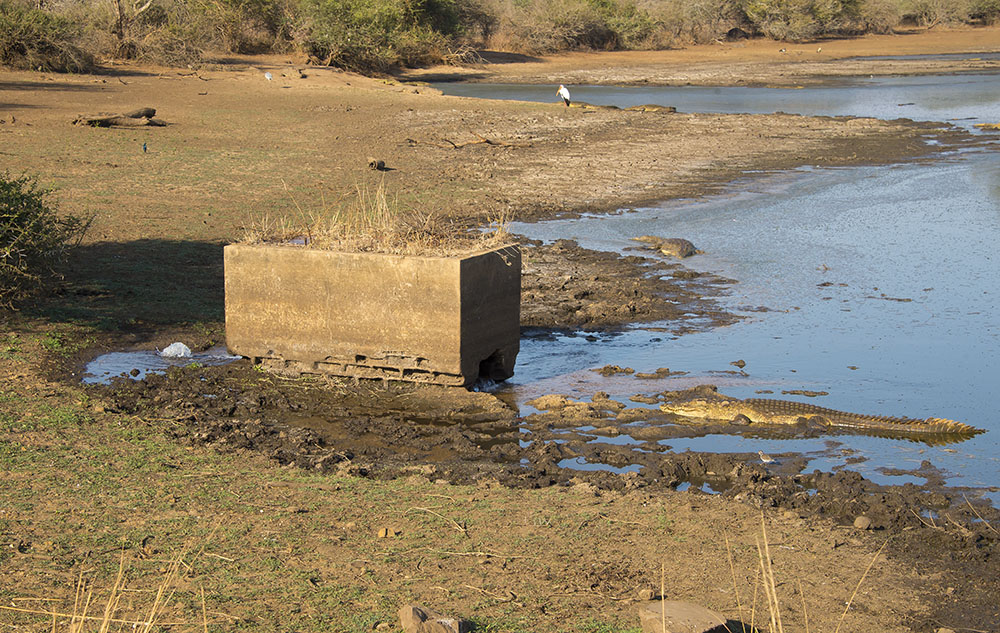
The Sunset Dam water level is also very low so the hippos cannot immerse themselves. But the inlet pipe does begin flowing after a week.
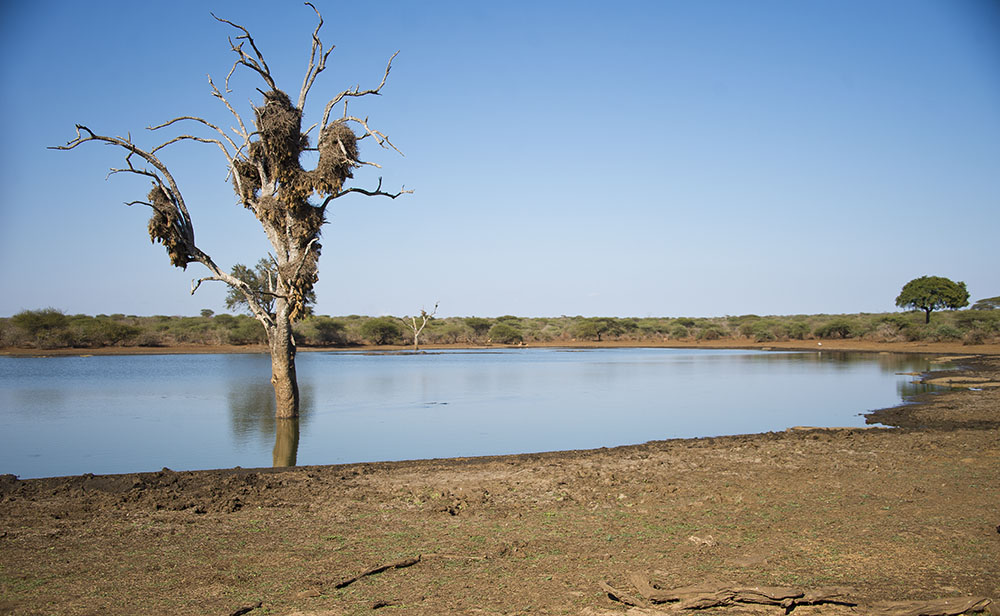
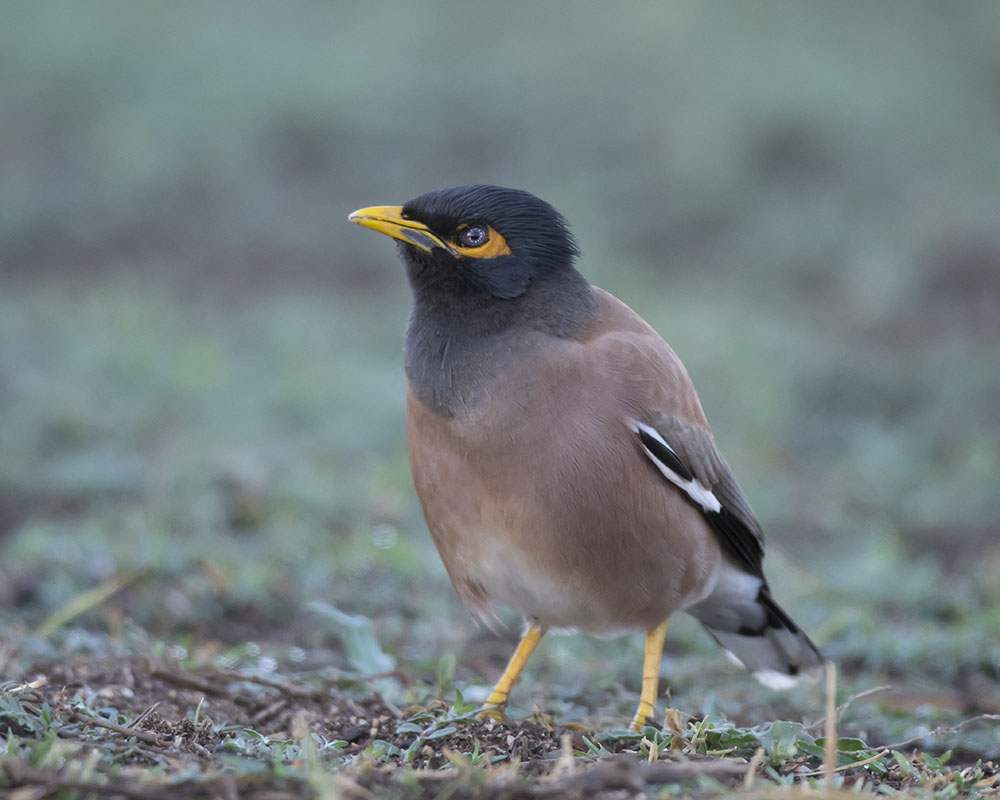


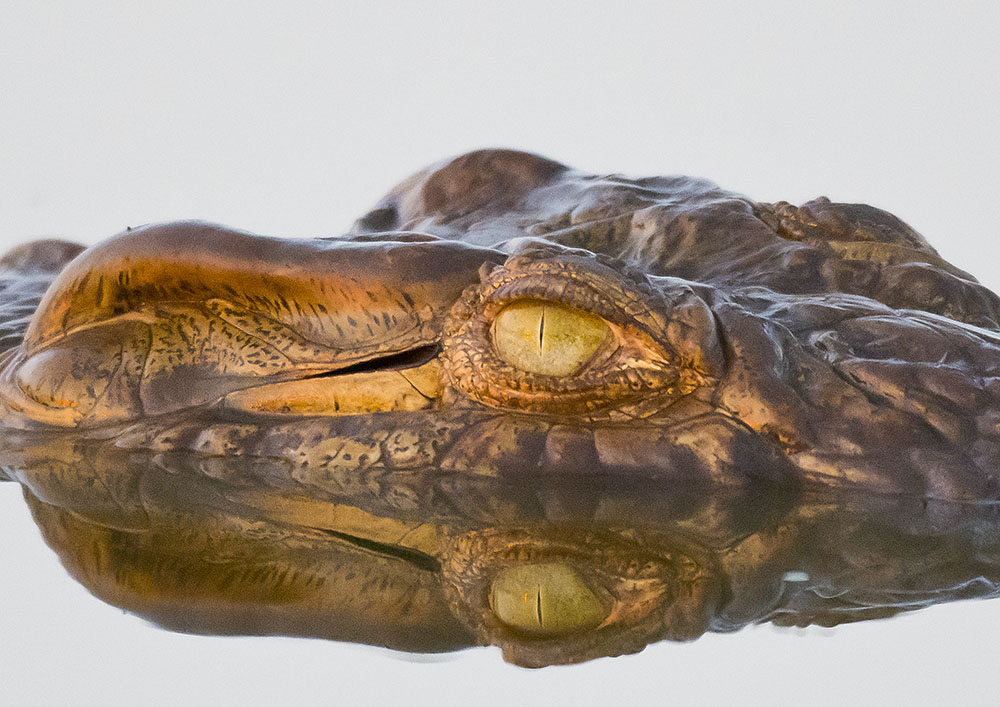
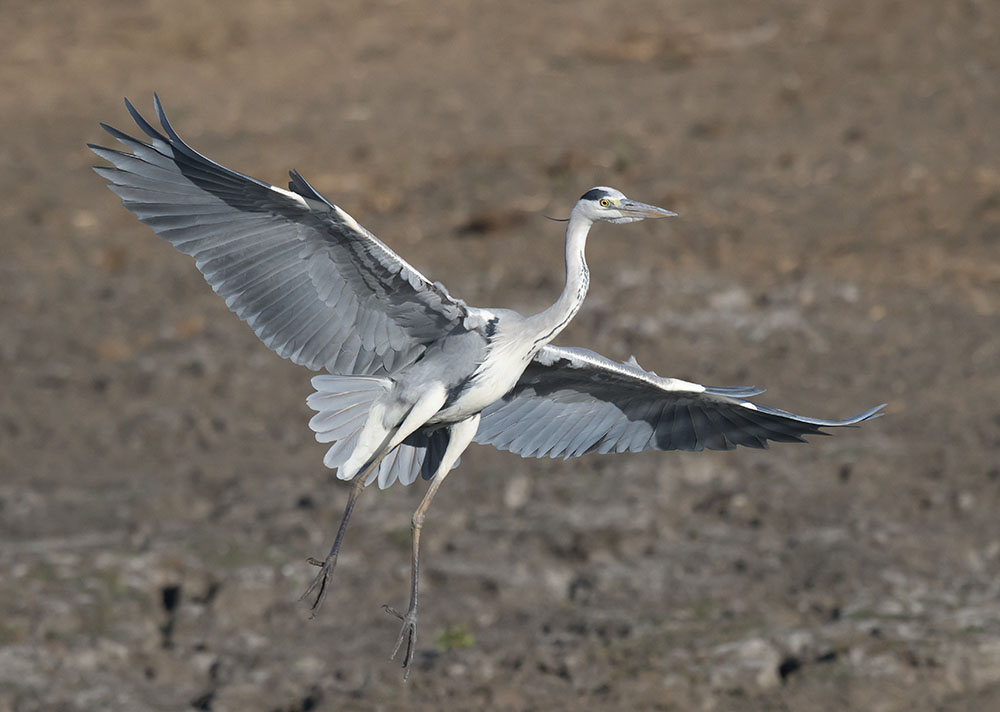
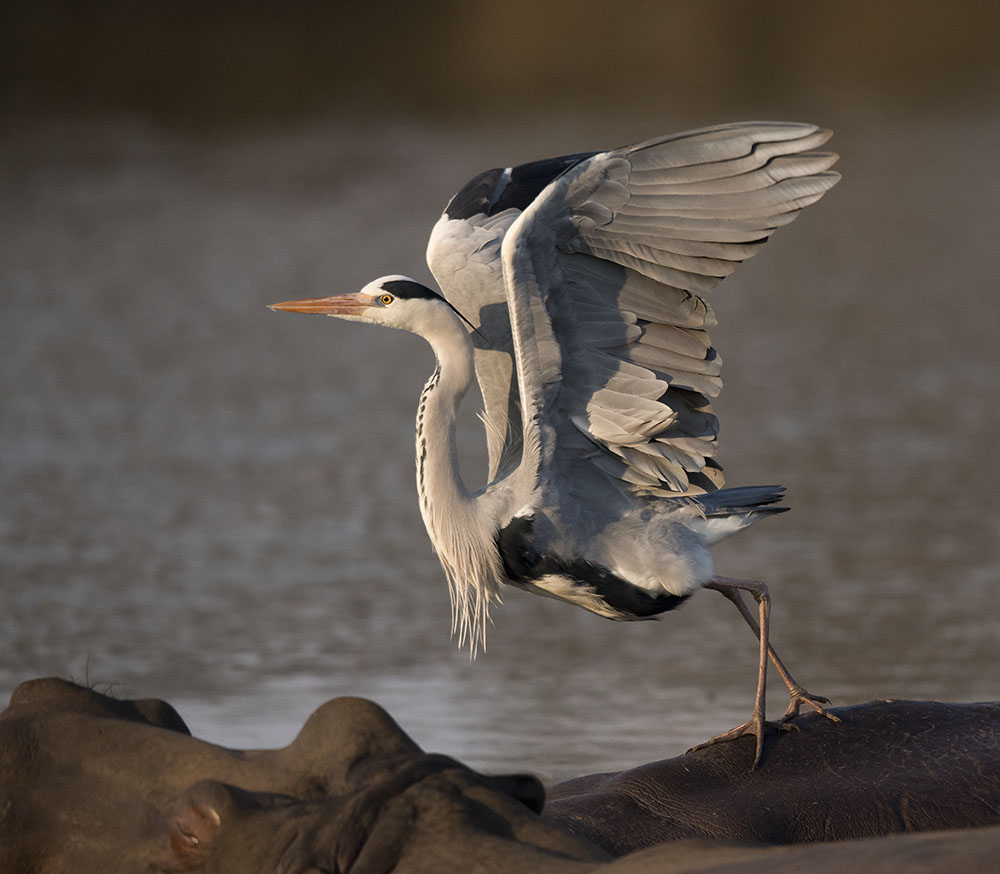
Salitjie Road S30 This is probably our favourite early morning road from Lower Sabie. We travelled this beautiful road four times and the highlight was…. one Jackal. Looking back at last year’s blog I see that exactly the same happened then but… we have seen so many wonderful things along this lovely road that we must just persevere.
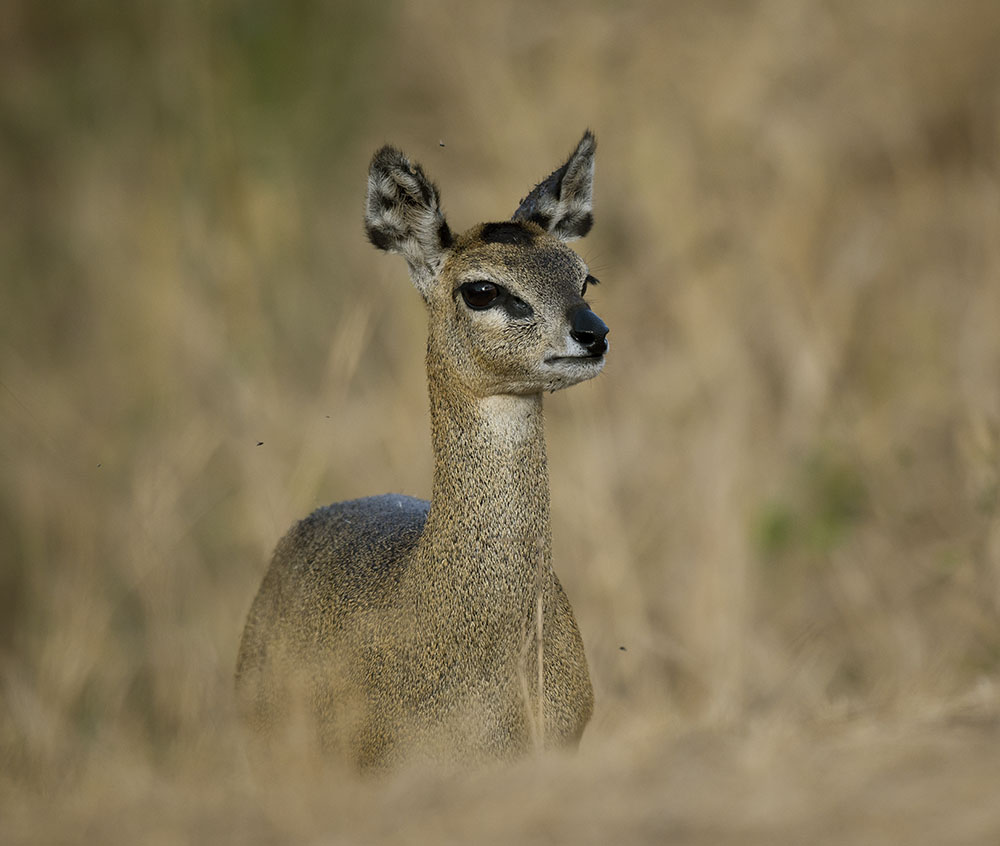
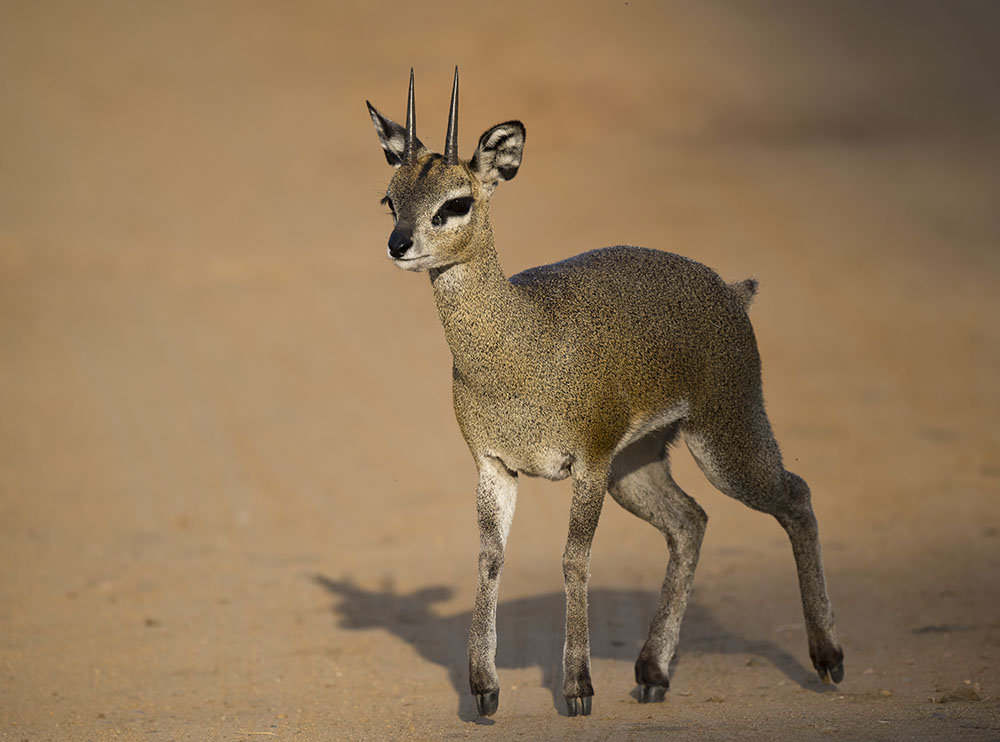
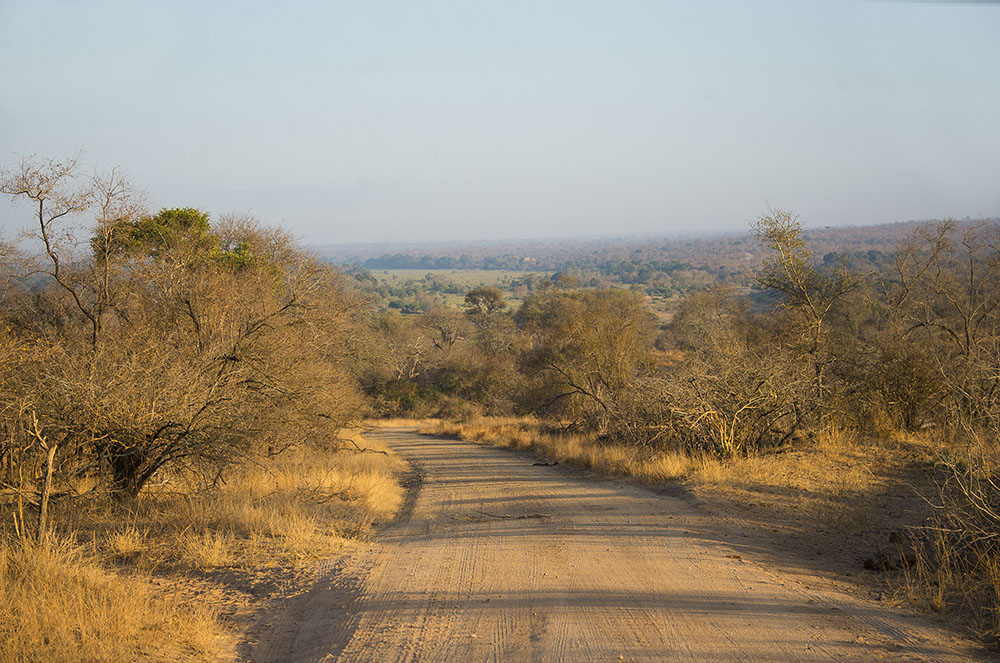
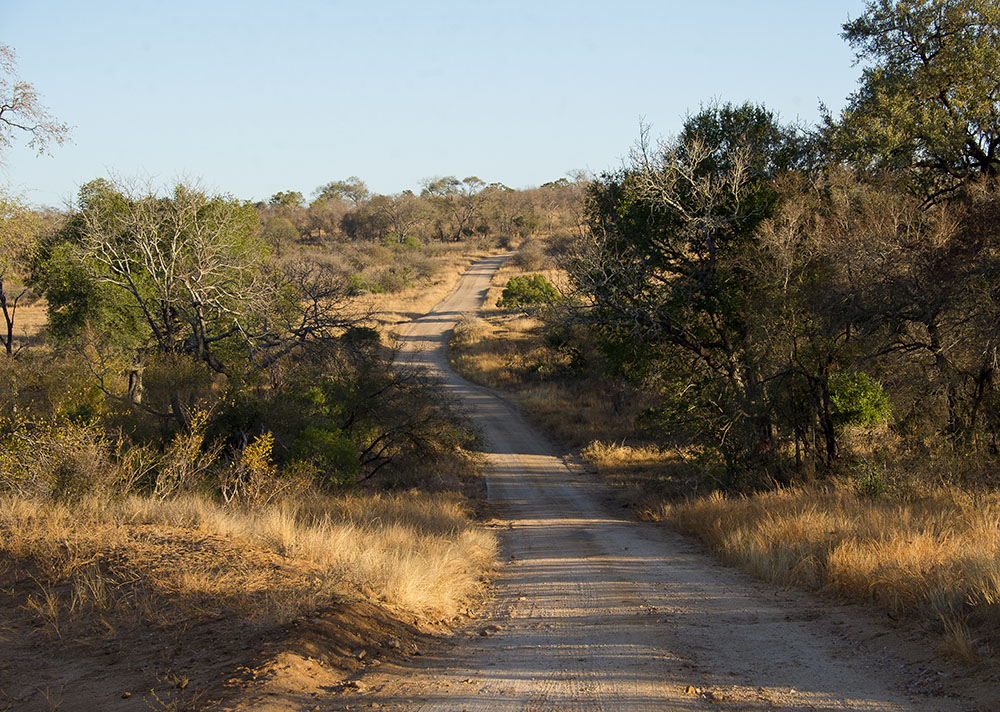
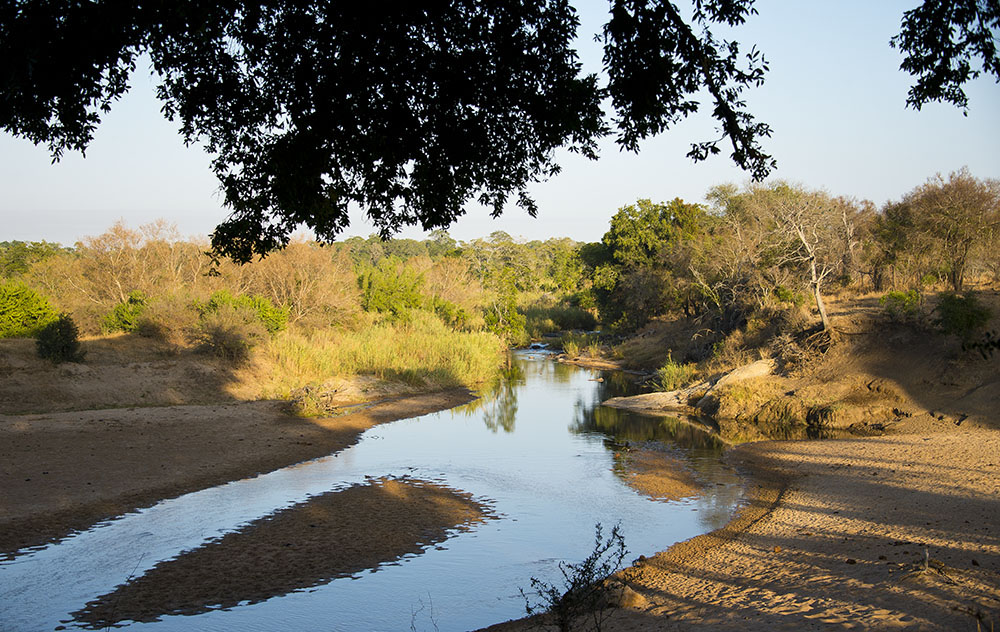
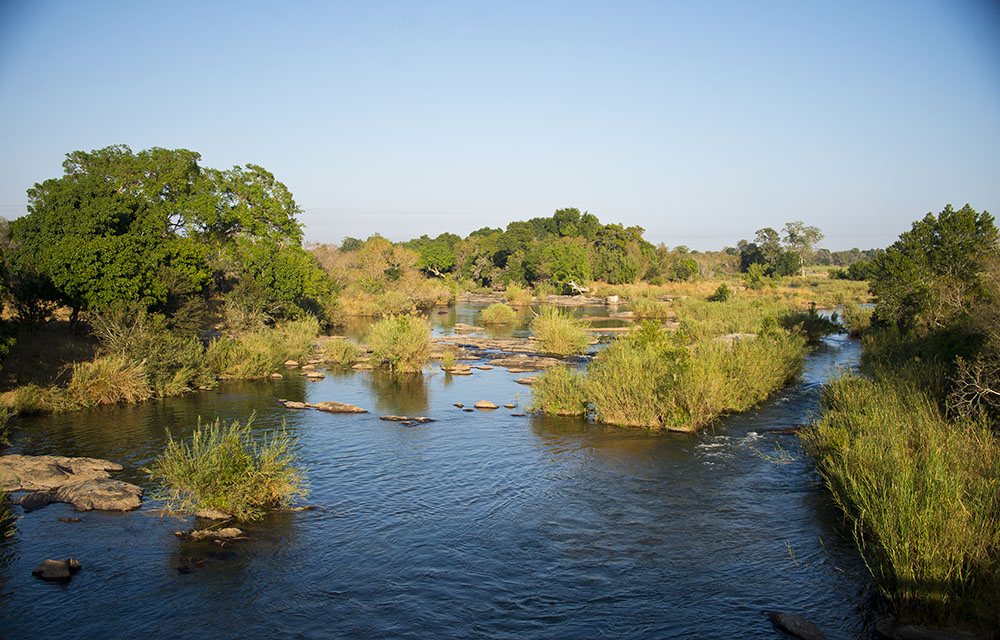

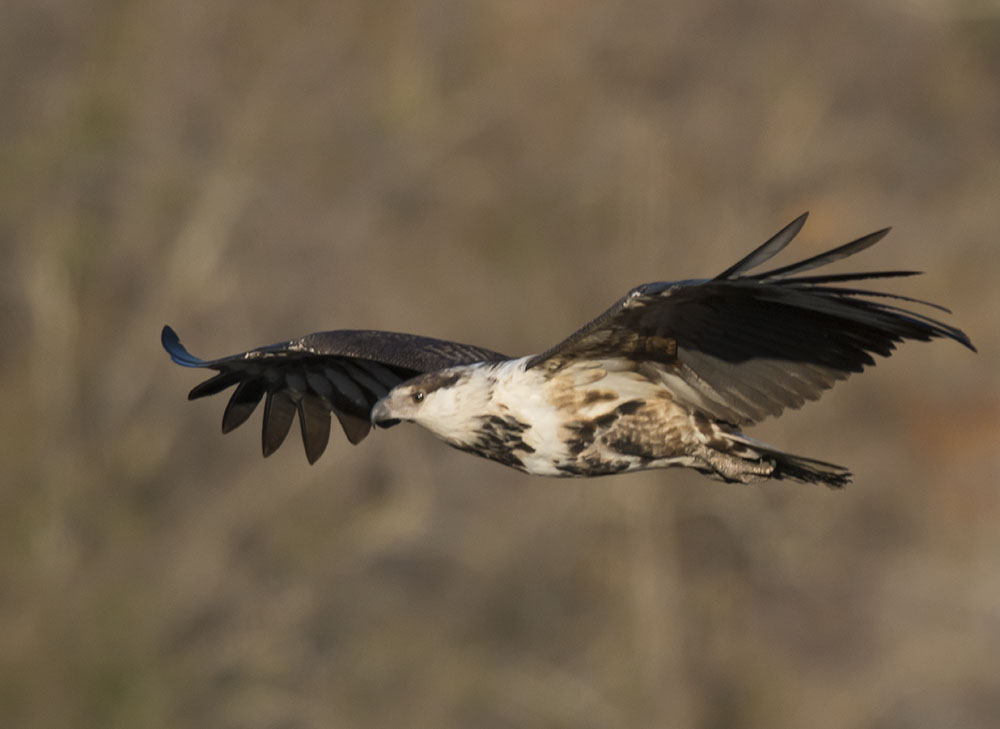
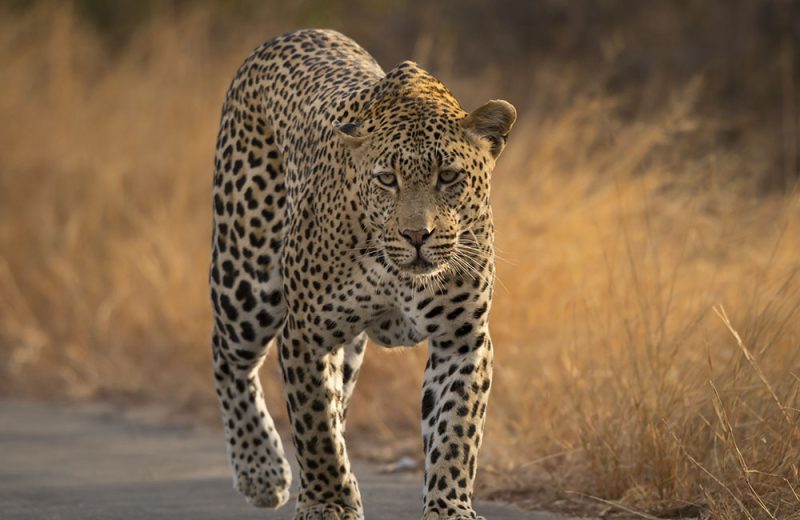
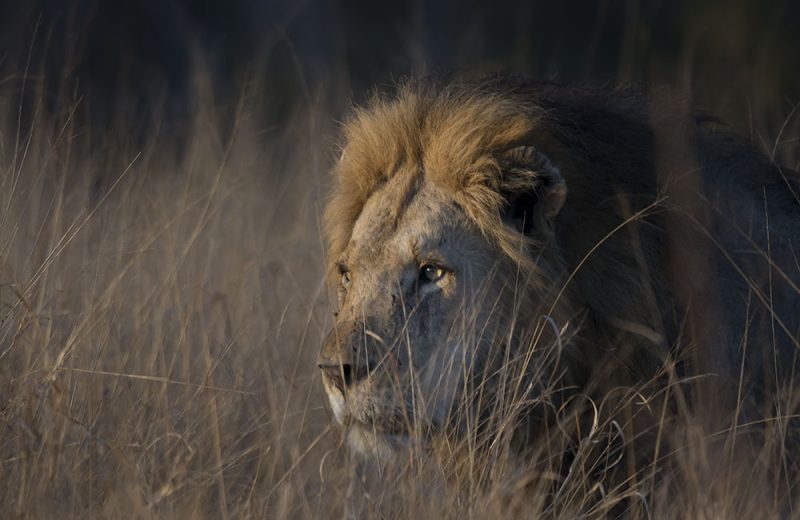
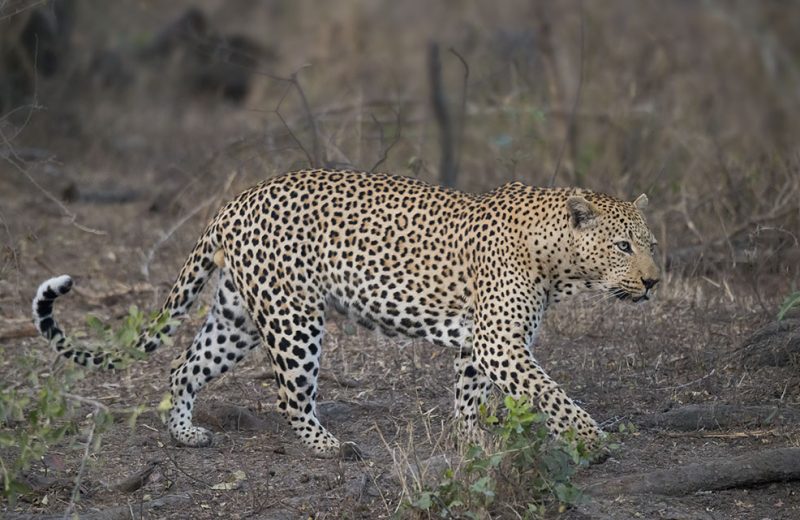
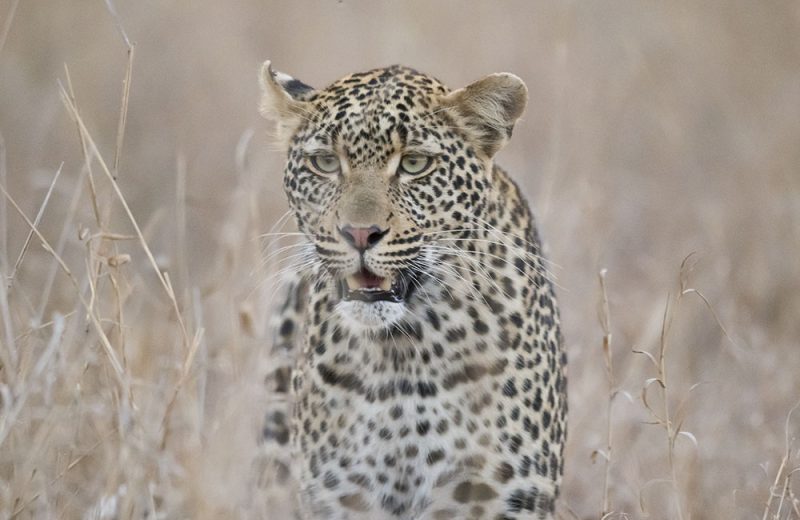
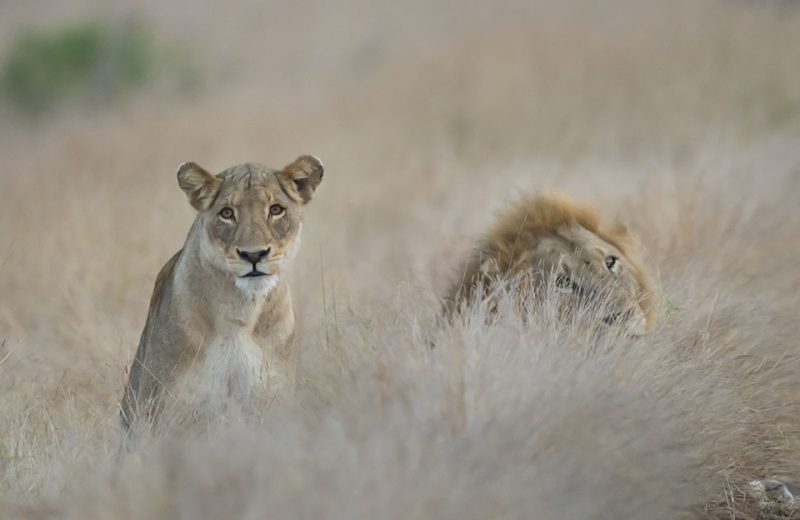
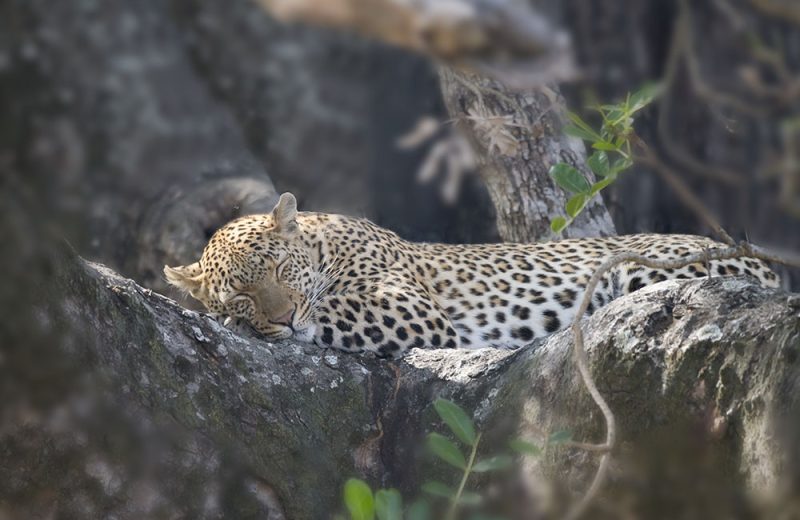
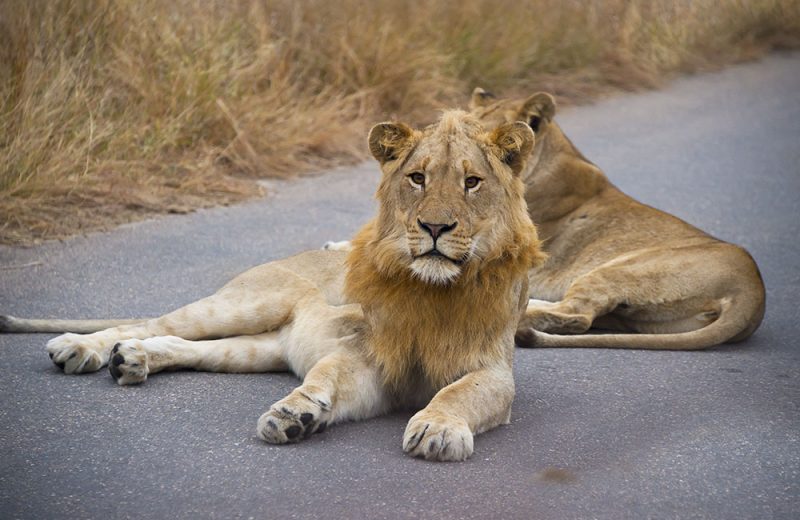
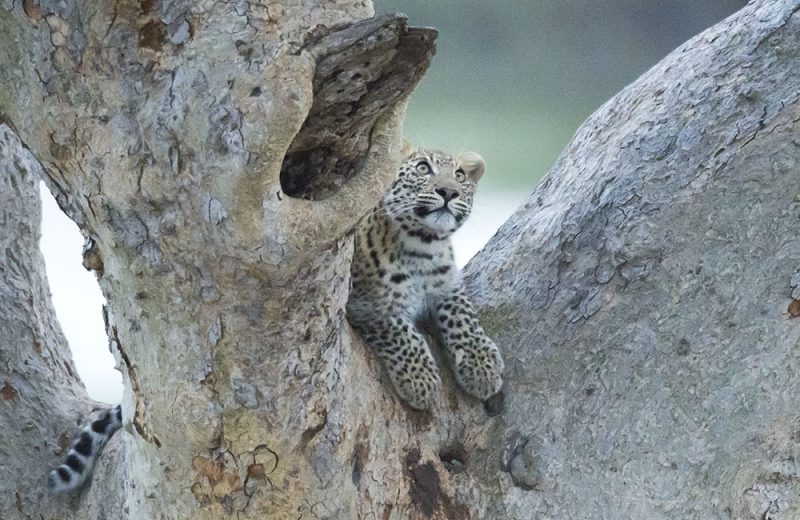
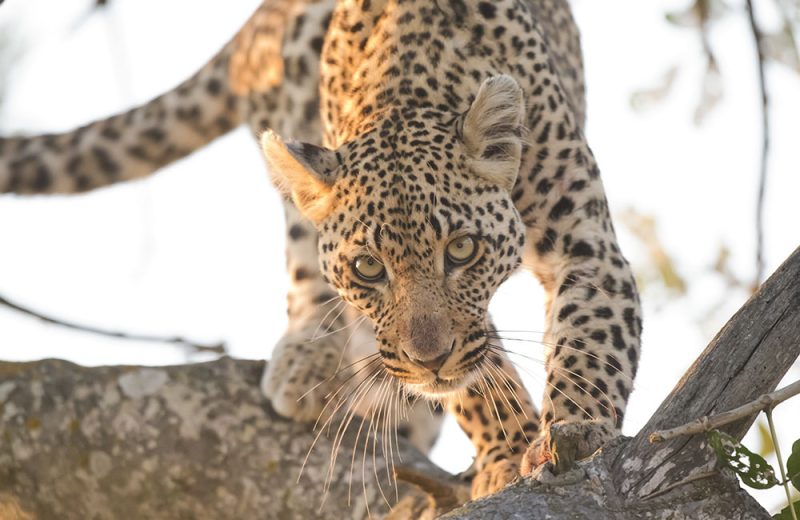
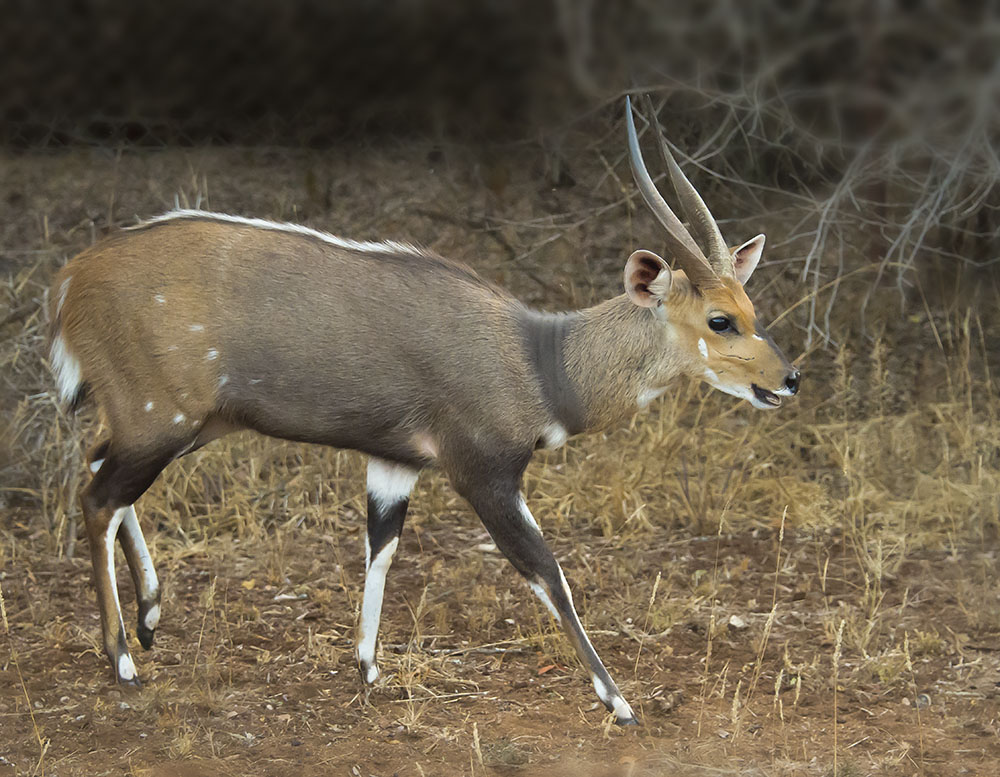
The Muntshe Area Muntshe is the prominent mountain 12kms north of LS along the main H10 road. It is surrounded by the rich basalt grasslands and always offers up things of interest. The vast area to the right of the H10 beyond the Sabie river is burnt which spoils things a bit. A good tactic in winter is to get out first along the roads where the cats like to escape the wet grass. This twice pays us a rich dividend as you can see in the following photos.
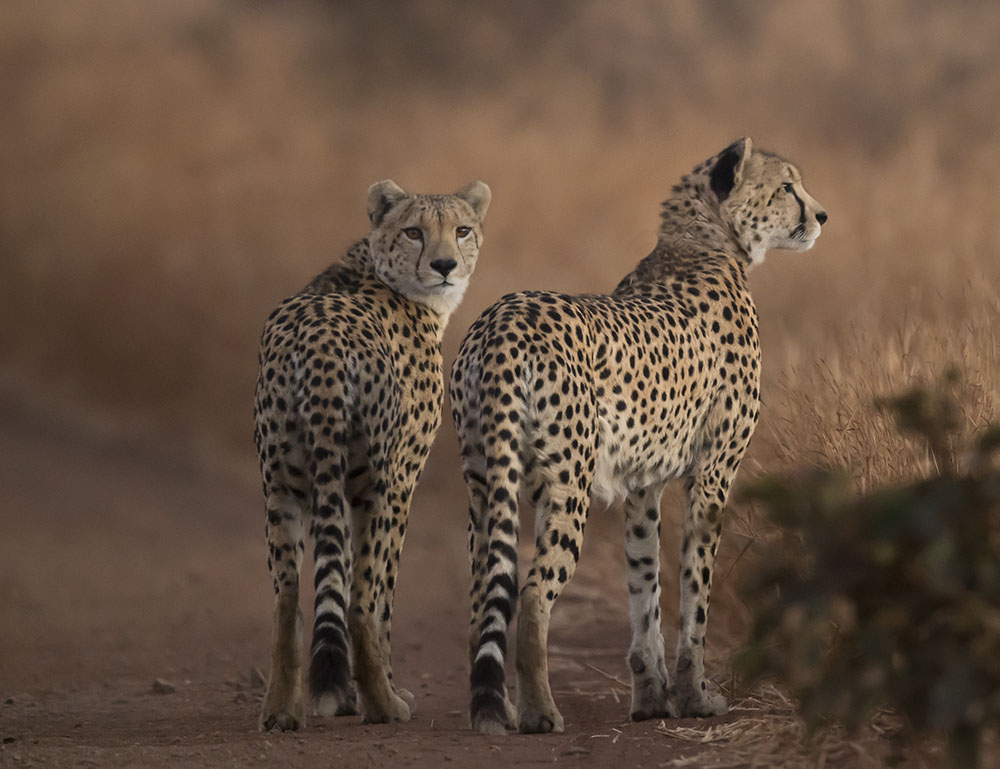
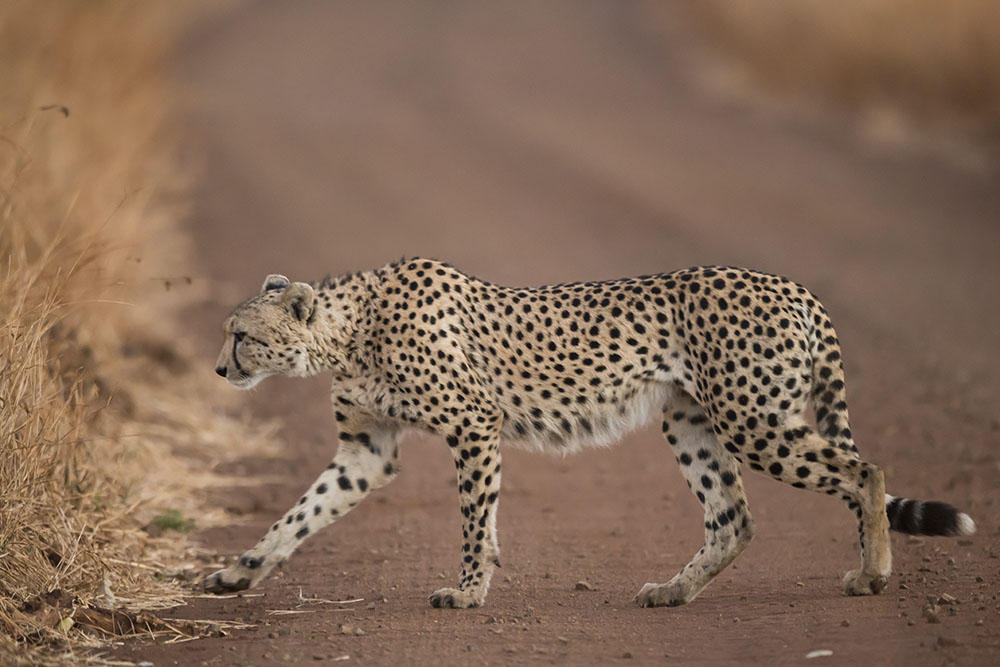
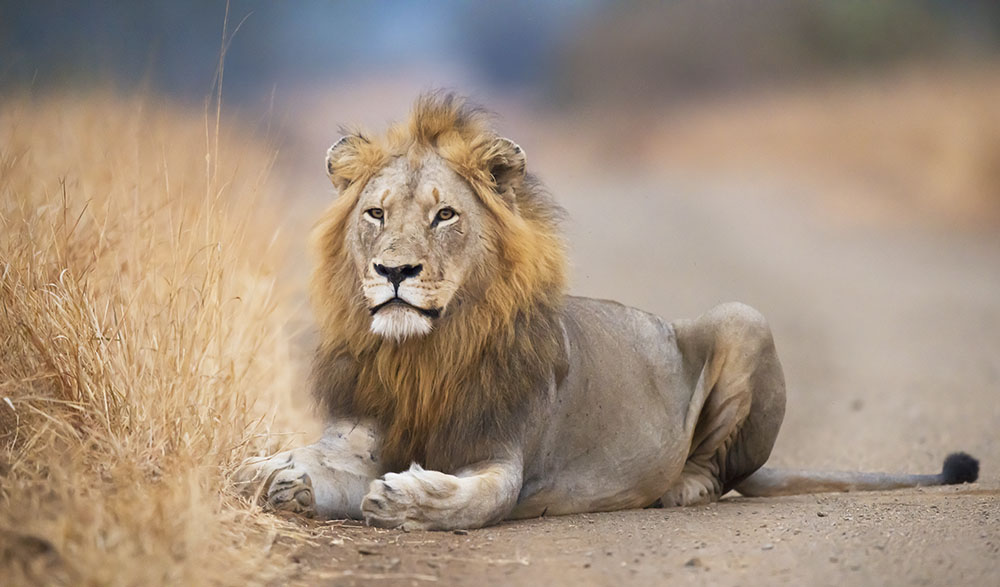
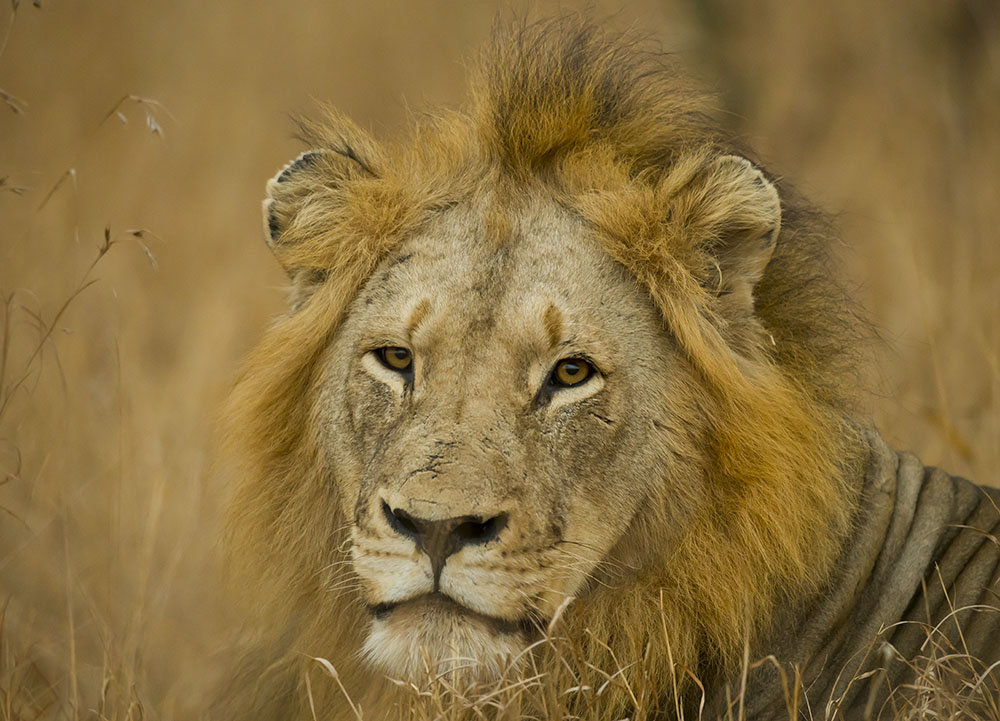
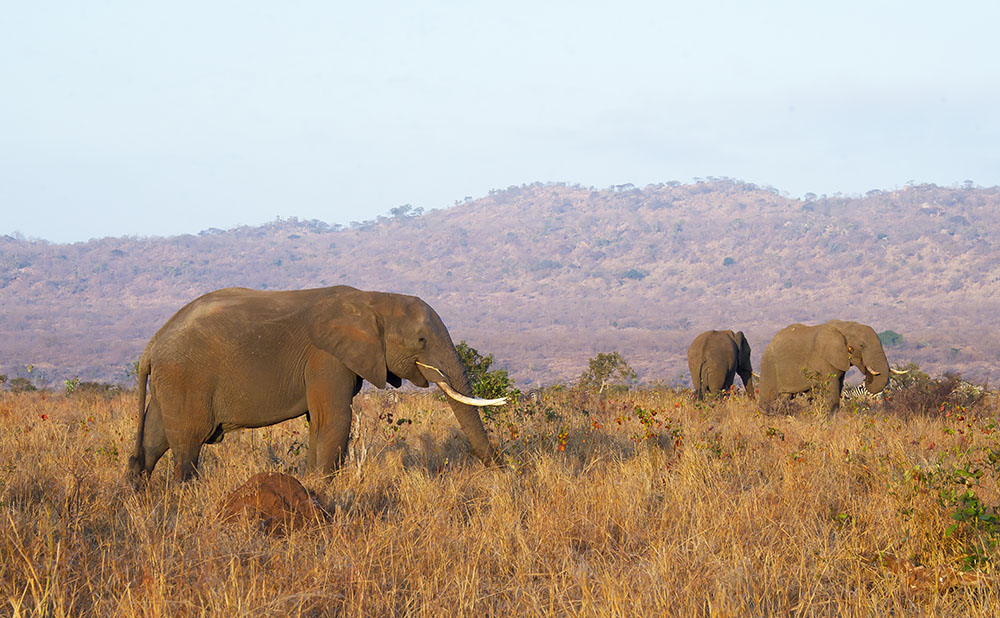
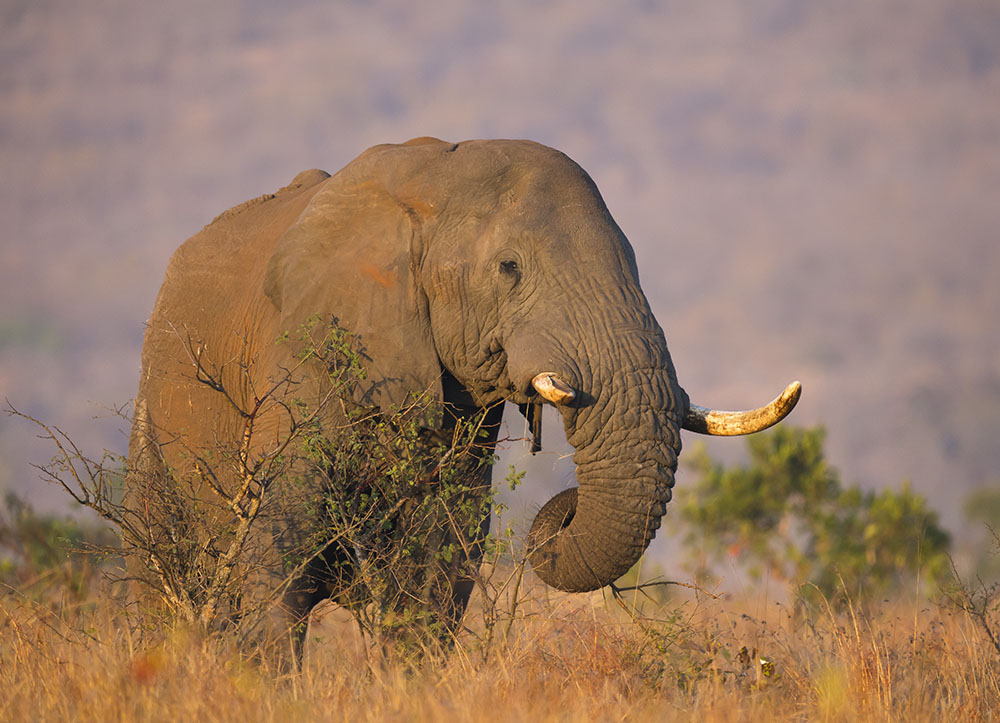
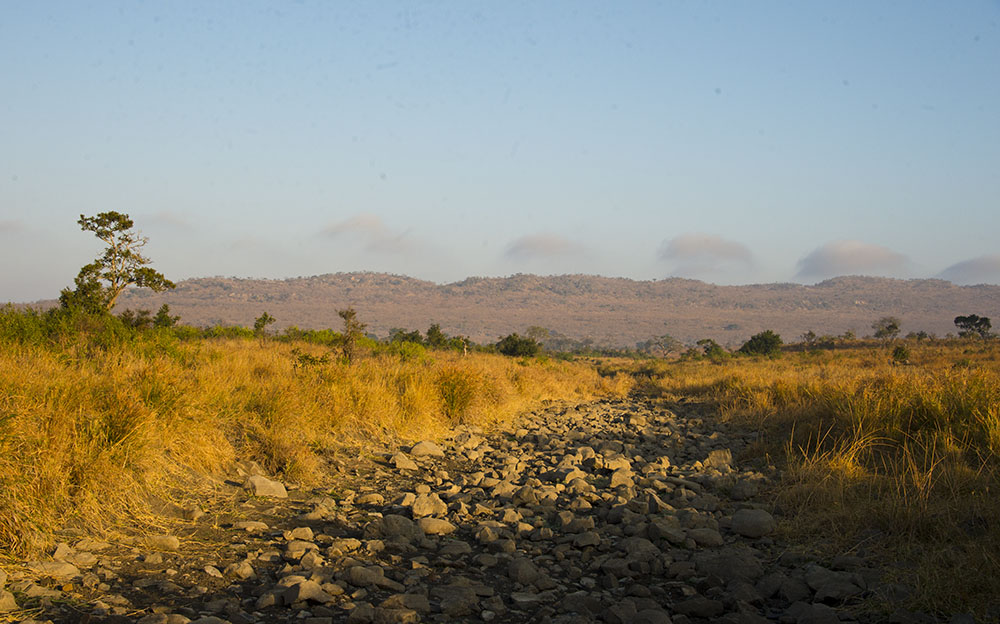
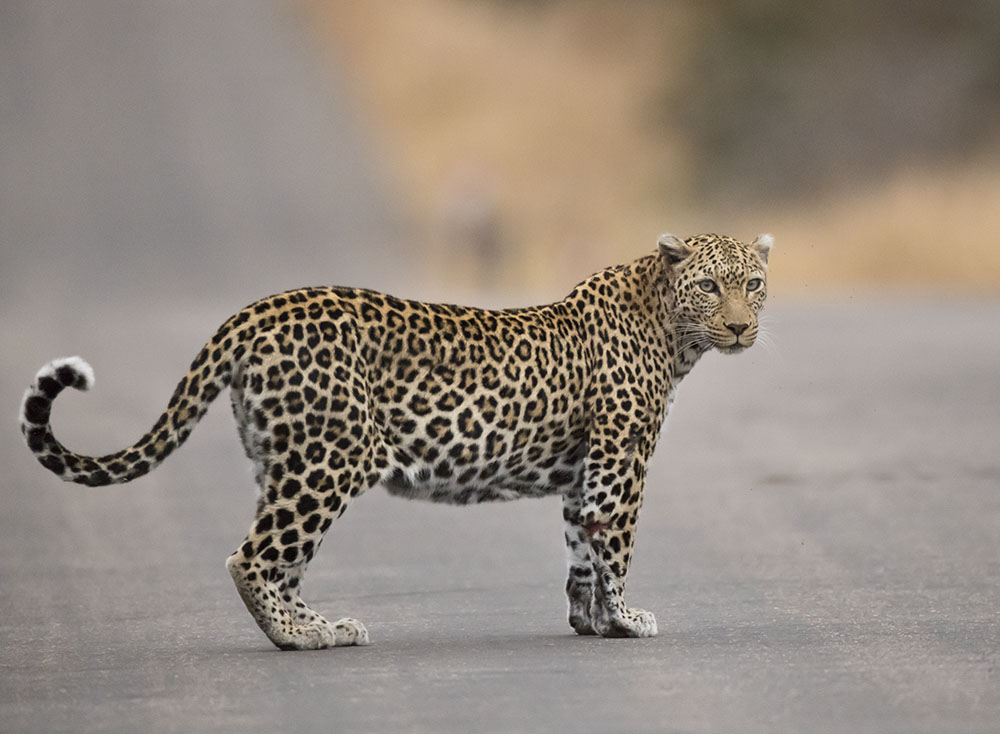
The Lower Sabie -Skukuza River Road (H4-1) Another good tactic is to get on this magnificent road between 6 – 8 in the morning. Little traffic is about and this road is never short of interest….. particularly the abundant leopards (everyone’s favourite).
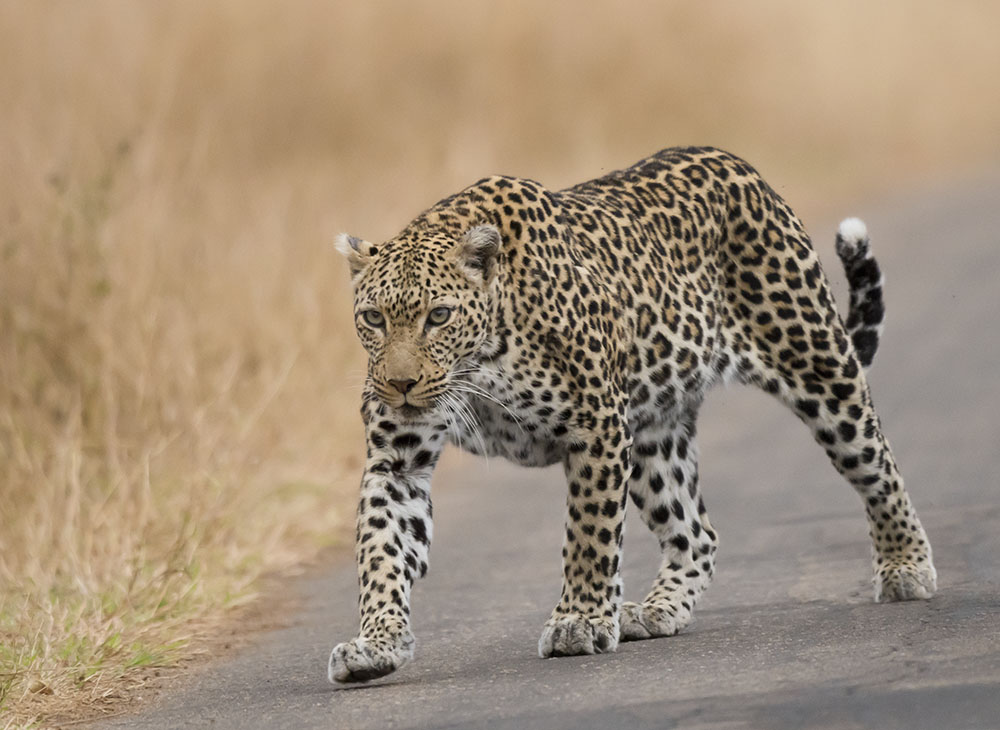
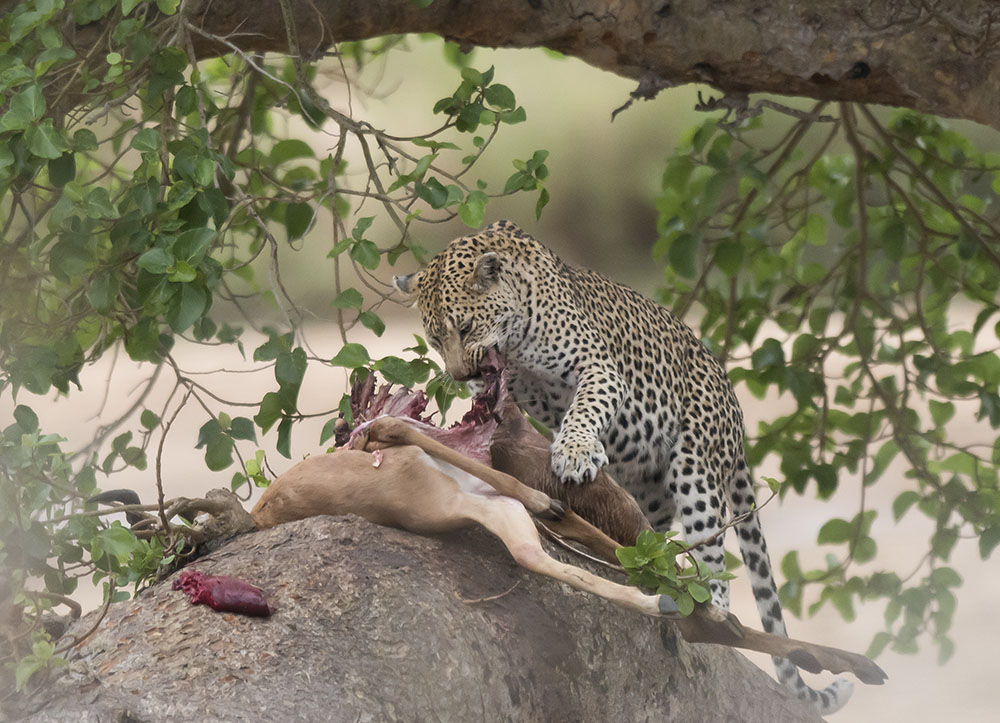
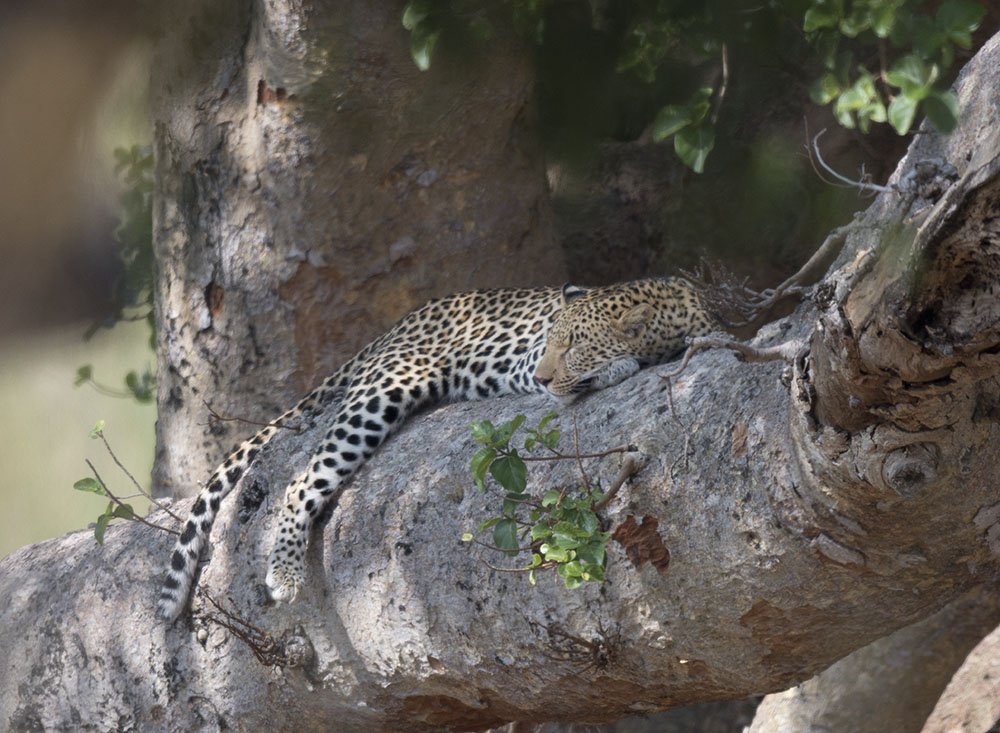

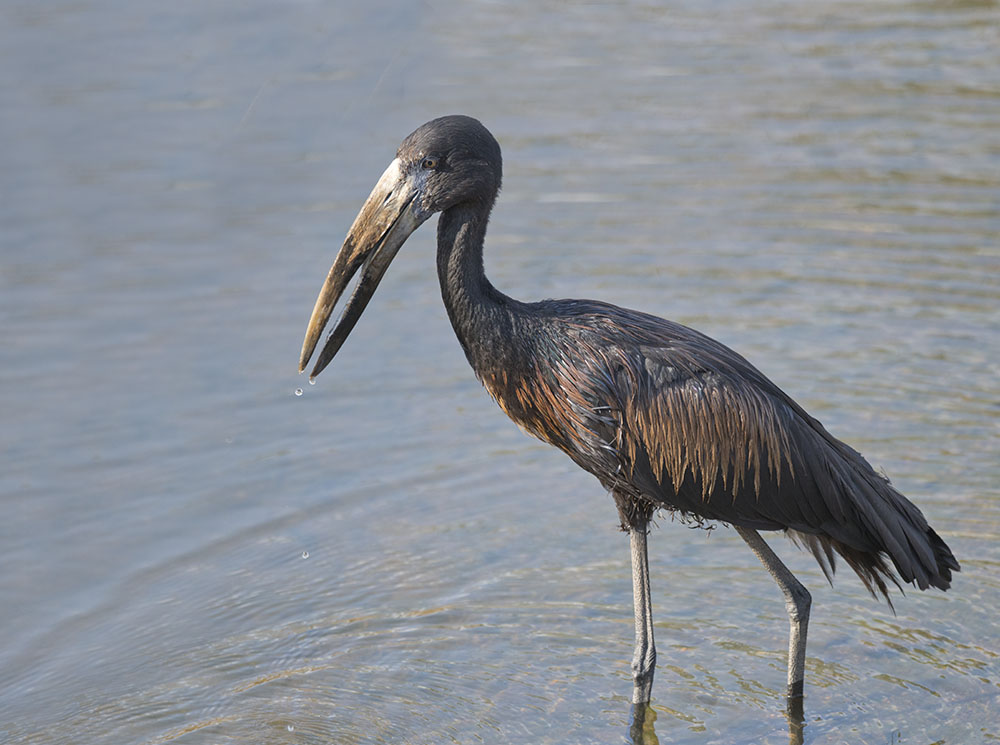
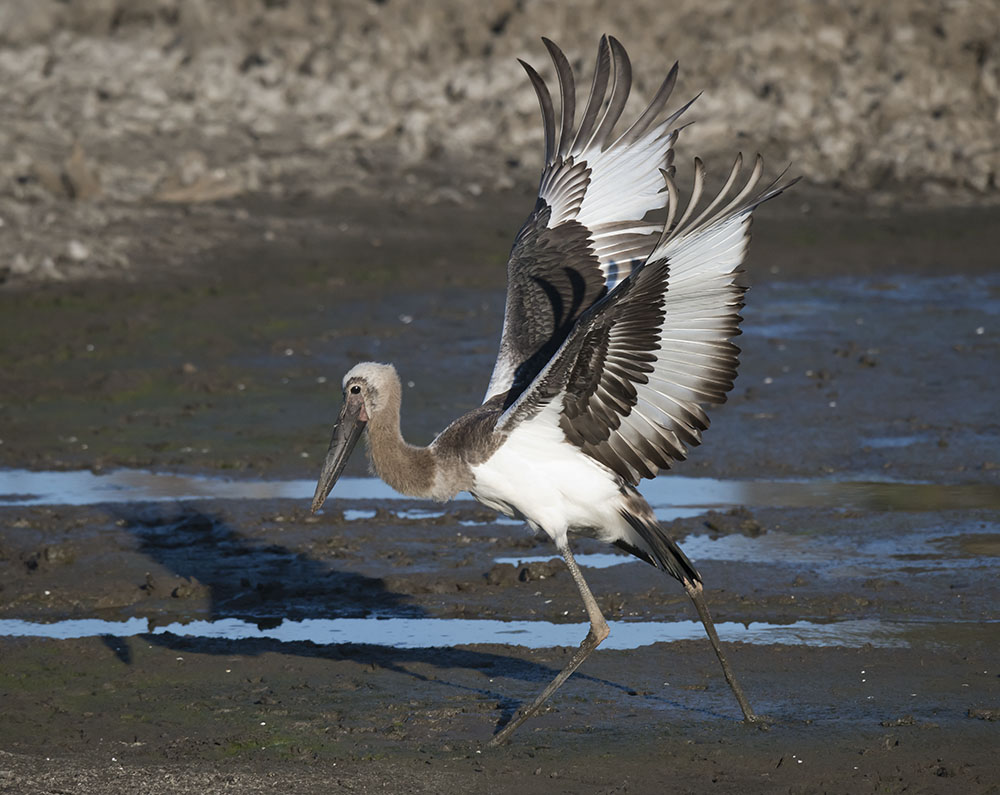
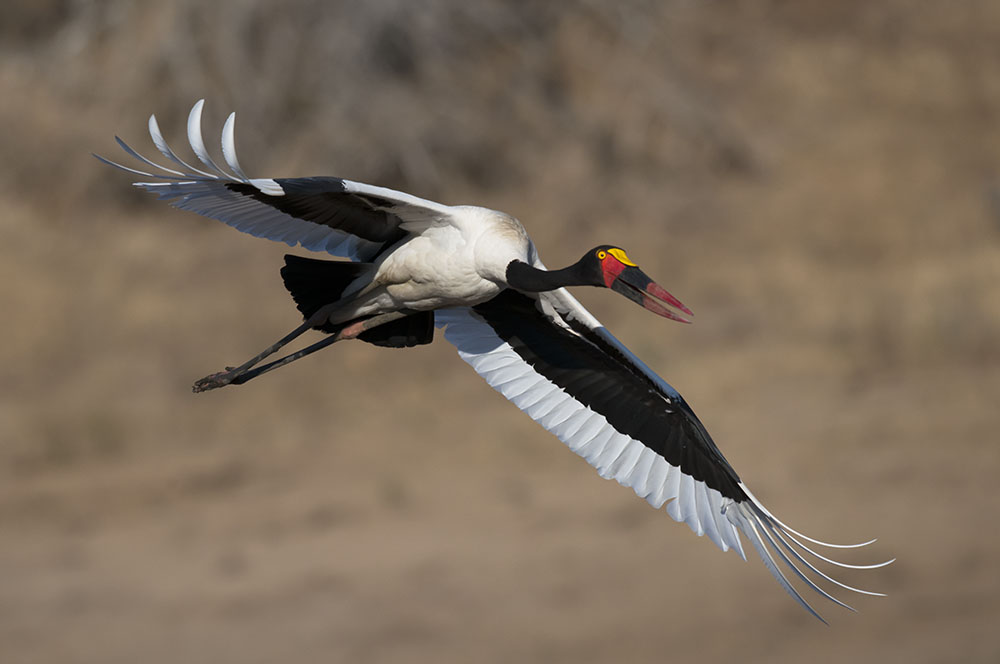
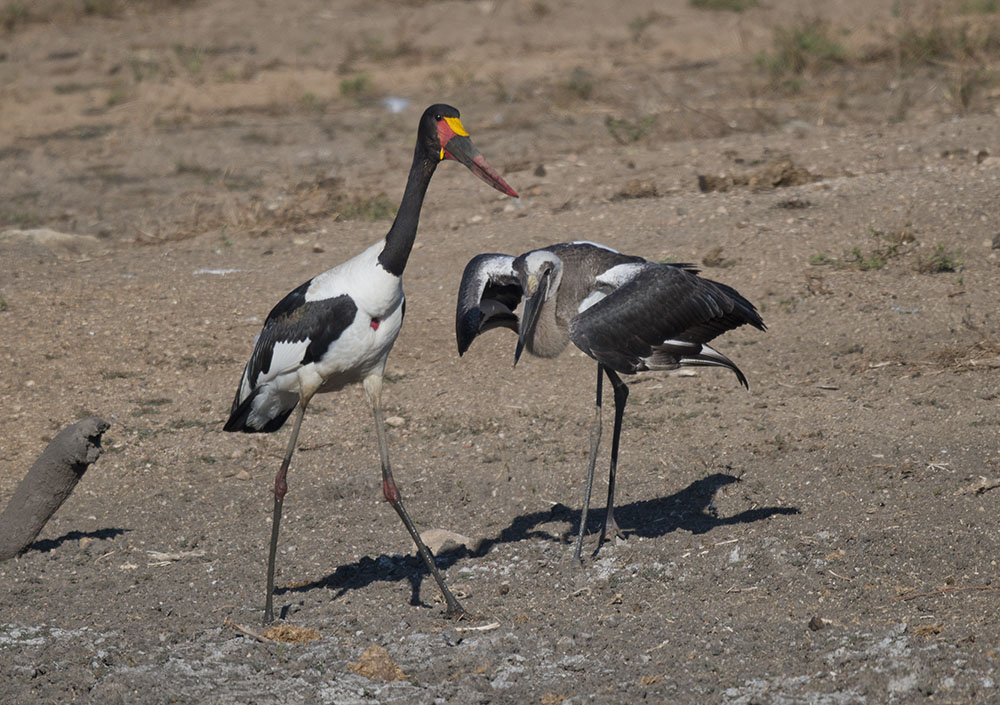
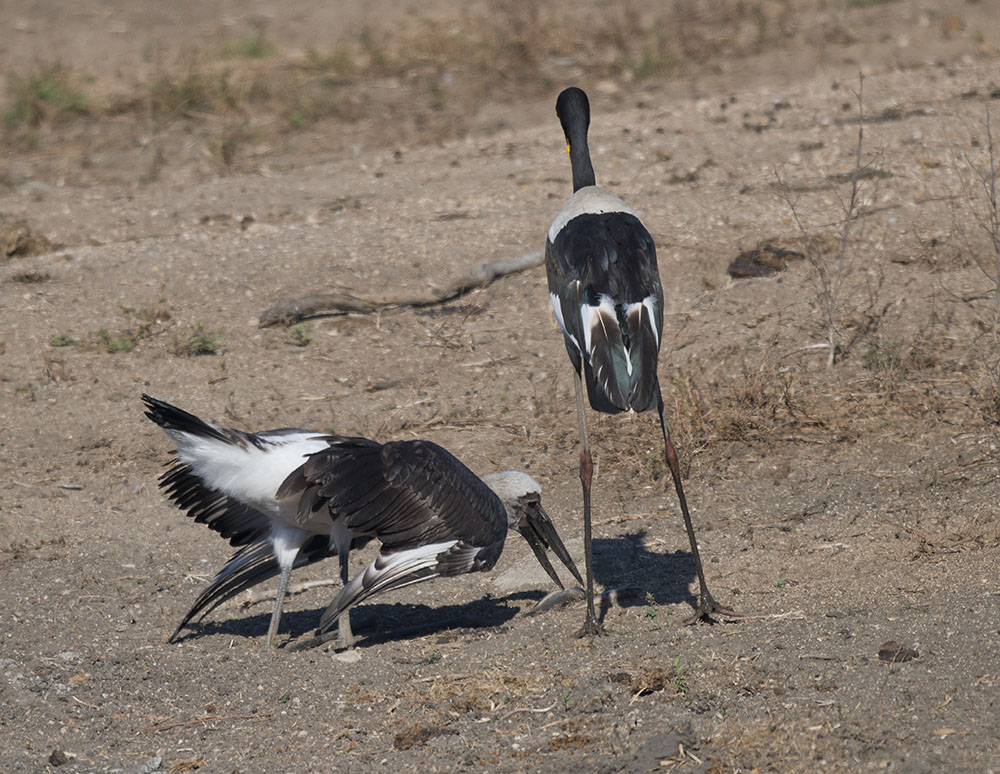
The Monument Dam Saddlebills Along the river road and close to the Nwatimhiri Bridge is the little Monument dam ( I once saw that this is its name but am not sure). As the dam shrinks during the dry season, so the barbel fish concentrate in the muddy puddle remaining – making easy pickings for a pair of Saddlebilled Storks and their juvenile offspring. I spend quite a time photographing the scene.
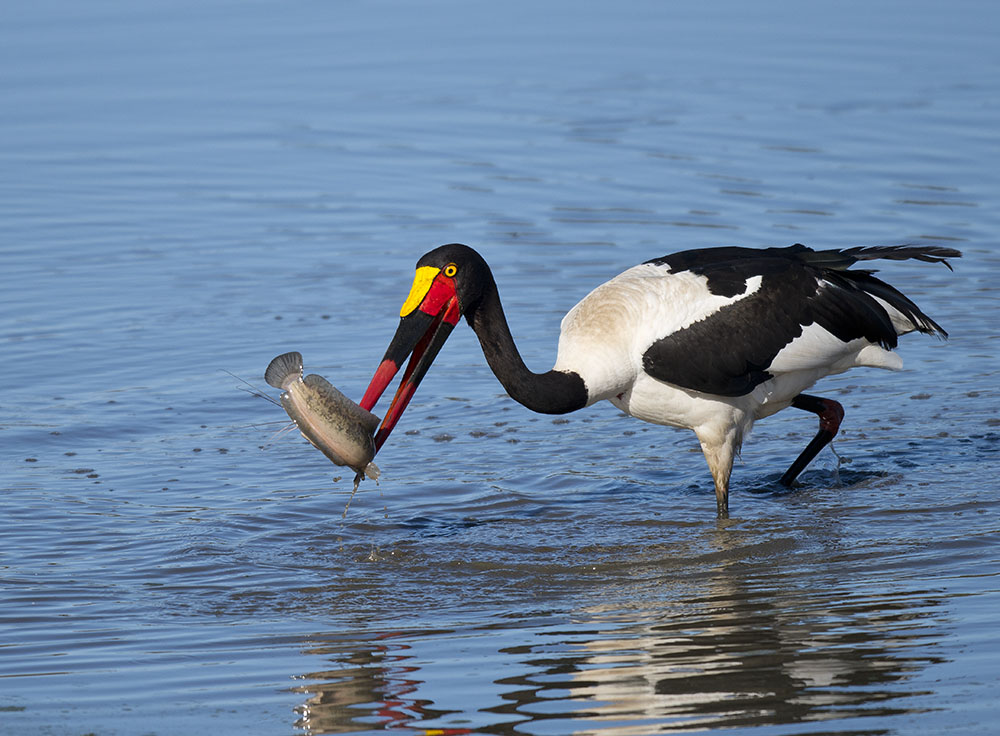
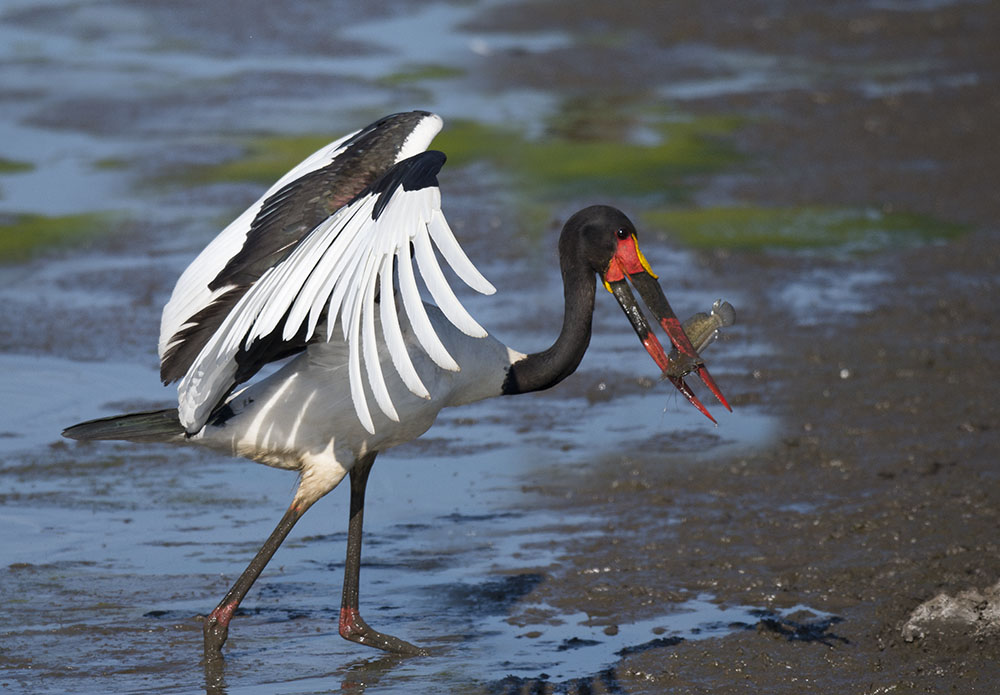
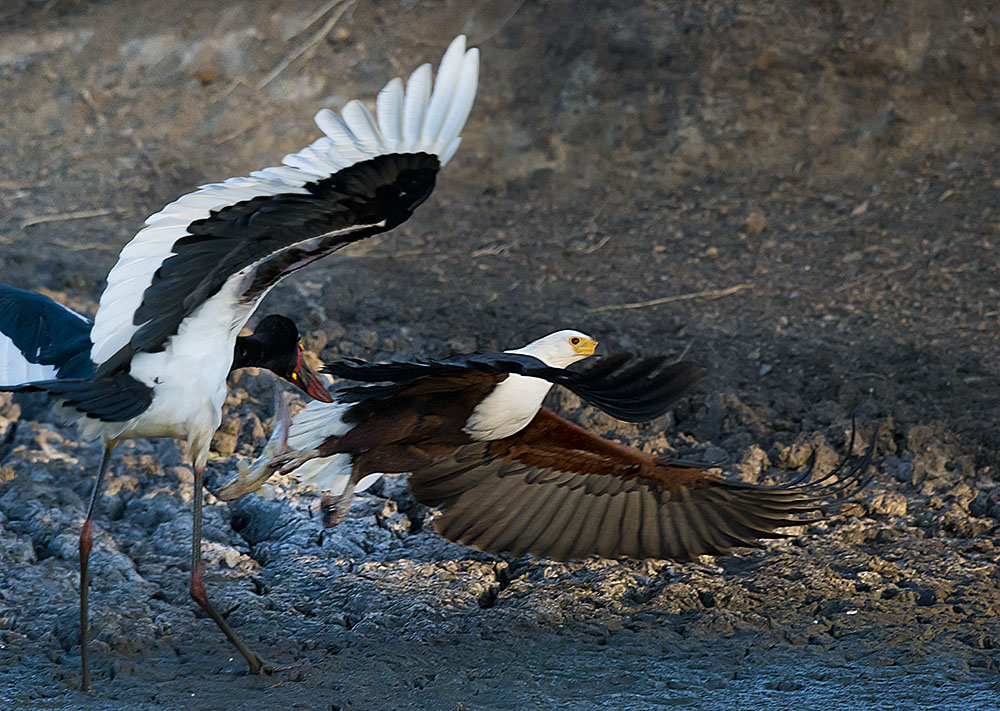
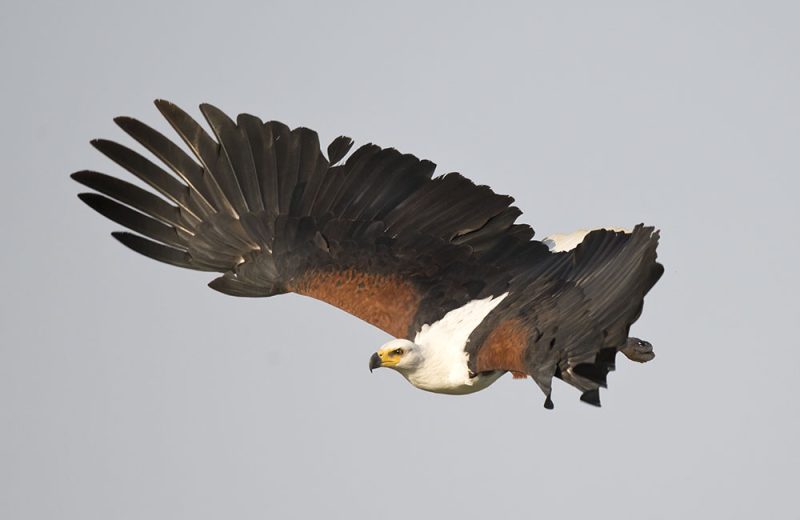
Of interest is an African Fish Eagle which perches hidden in a nearby tree. Not for him the bother of honestly earning his living, he merely swoops down upon an unsuspecting stork and relieves it of its catch.
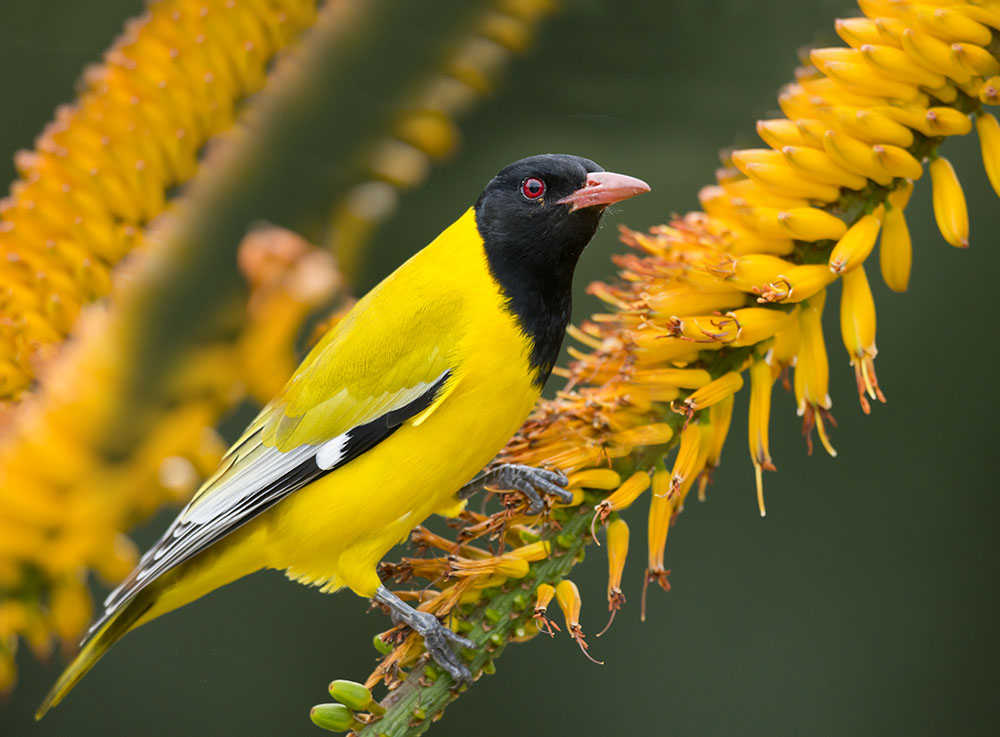
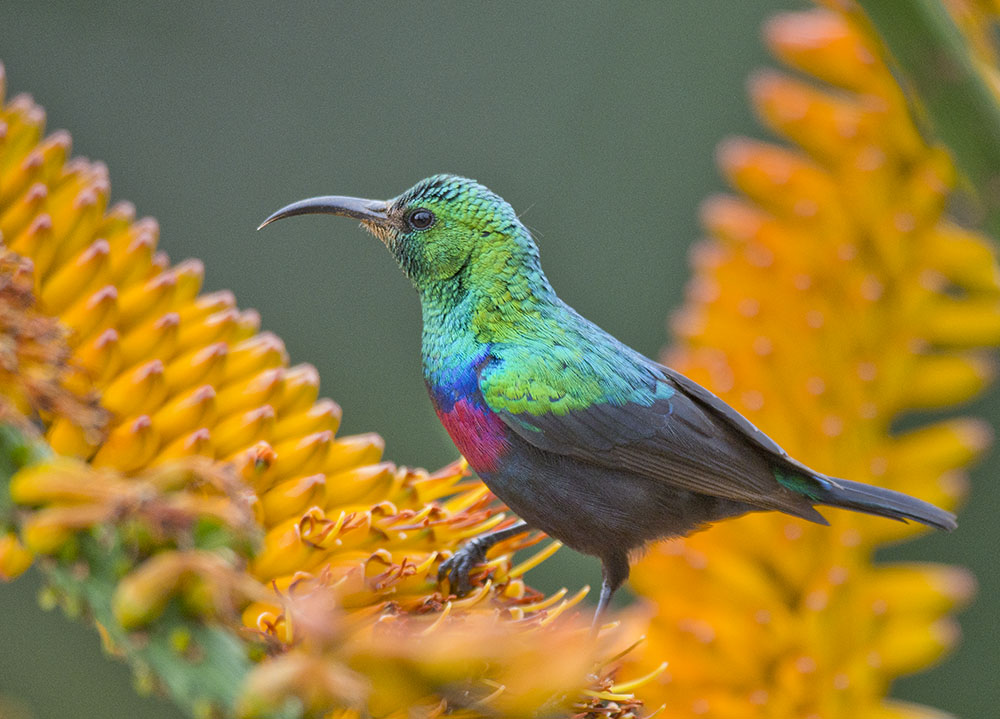
Skukuza A couple of morning trips along the river road end up at Skukuza, mainly for us to reach the internet. The aloes are still flowering drawing in their sunbirds and others.

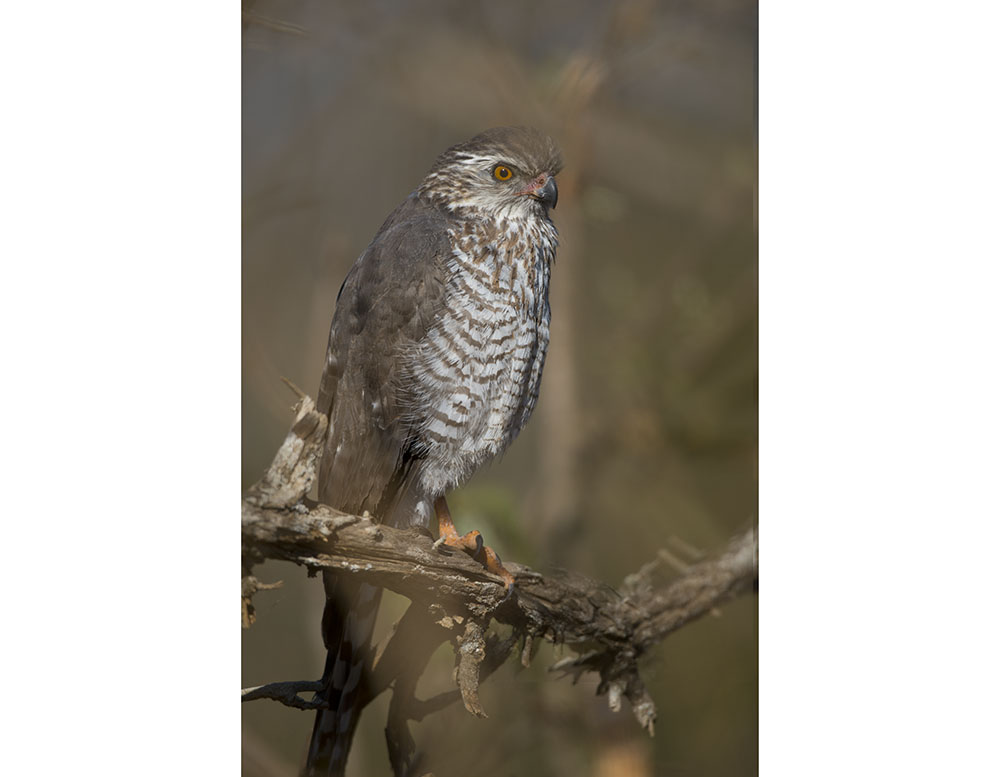
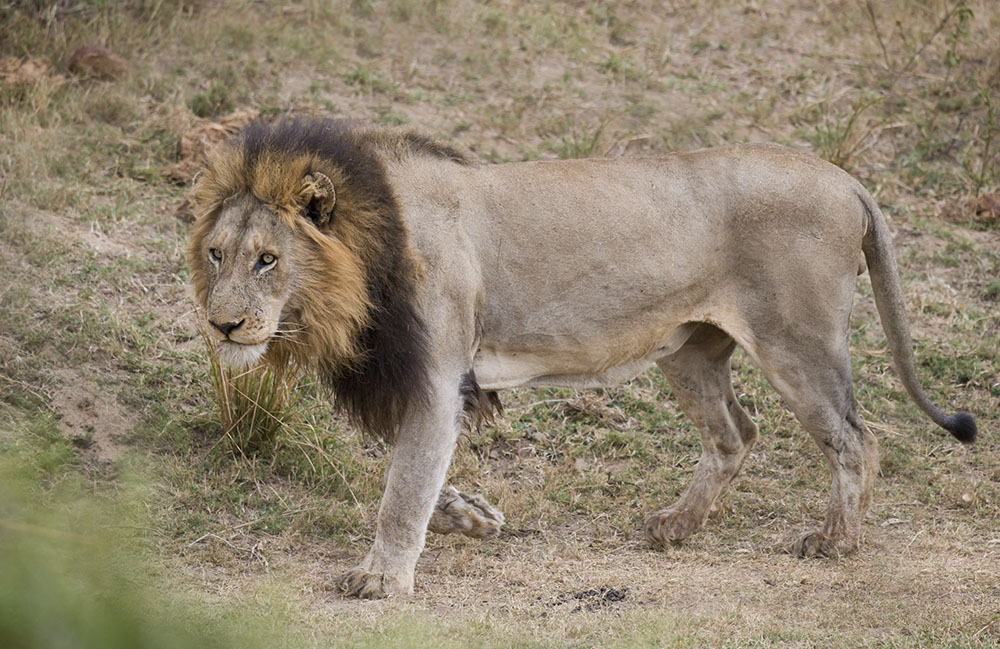
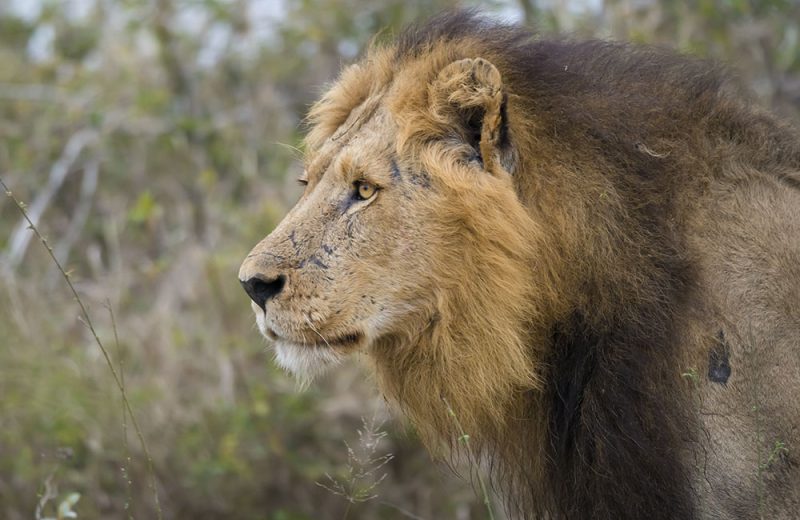
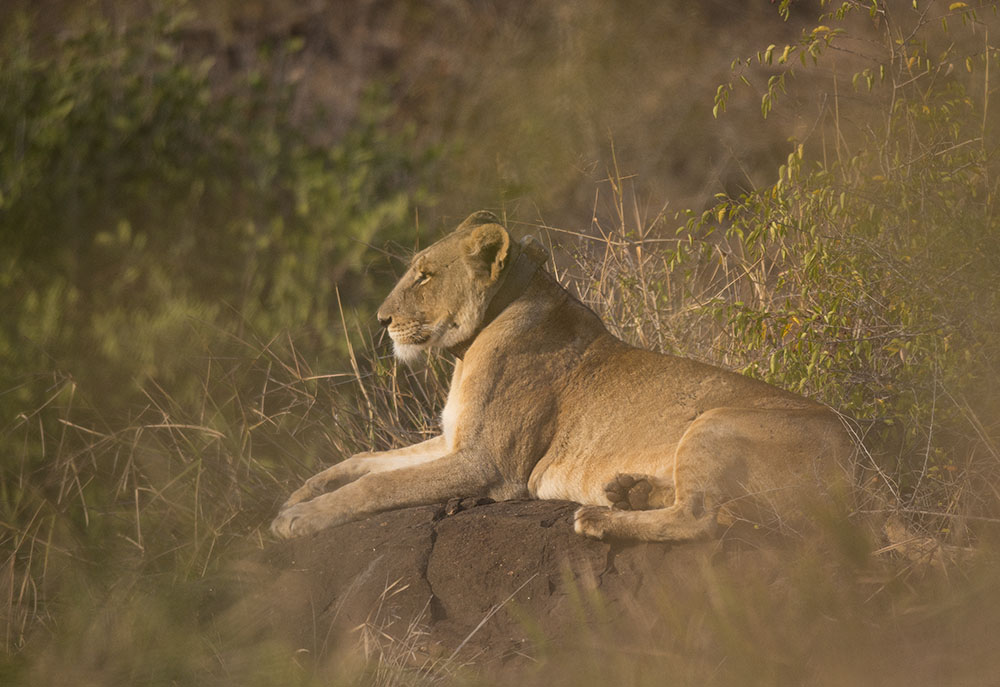
Komatipoort We do a couple of trips down to Komatipoort town to replenish our groceries. At the end of the S28 gravel road to Croc Bridge we find a sleepy lioness enjoying the early morning sun.
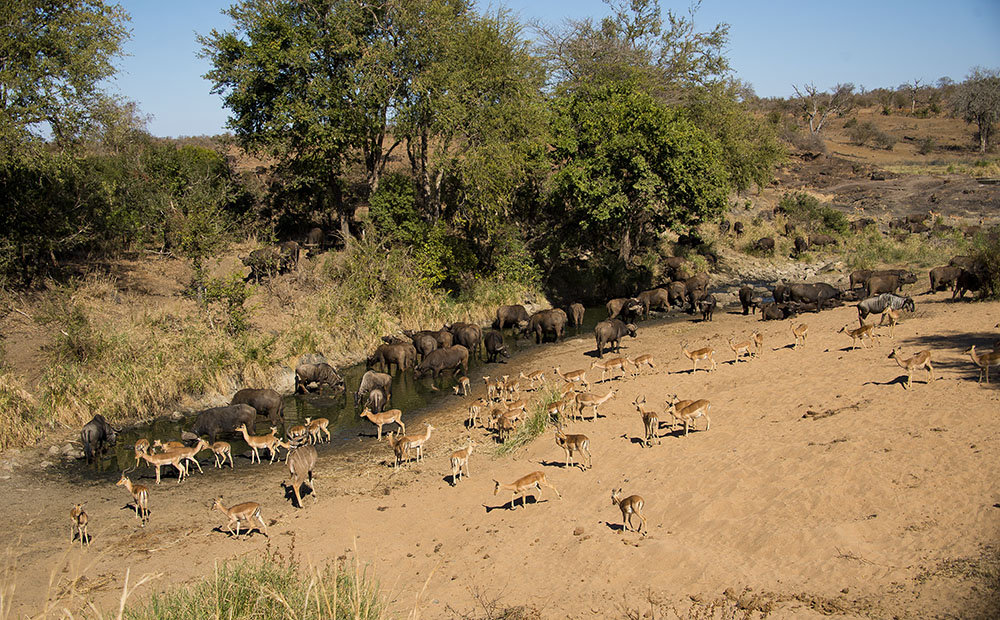

One can get such a skewed picture from mainstream media about life in SA. In Komatipoort and everywhere I go I only meet friendly, cheerful locals who usually are so willing to oblige.
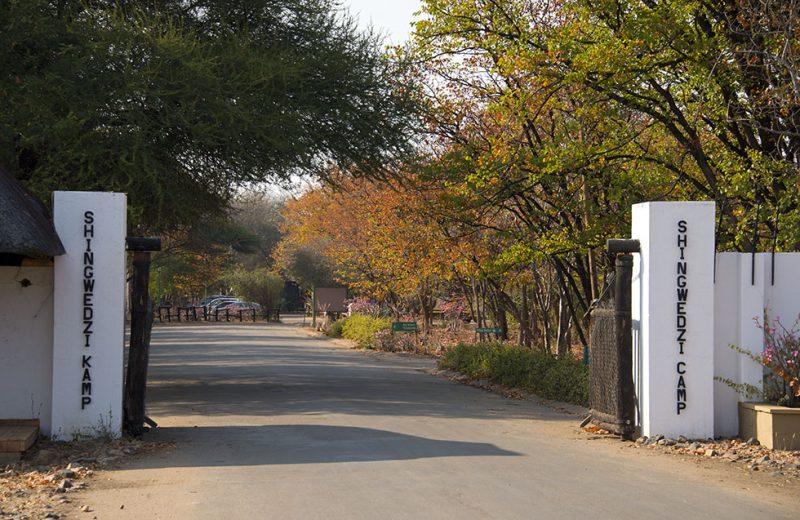
Our happy time at Lower Sabie ends on Thursday, 31st July and we hook up and move to Satara for a one night stopover before moving to Shingwedzi tomorrow. The improved internet coms allow me to send off this blog which should become more regular henceforth.